
Neonatal Intensive Care Summer 2025:
Reducing Pain in the NICU: A Quality Improvement Initiative
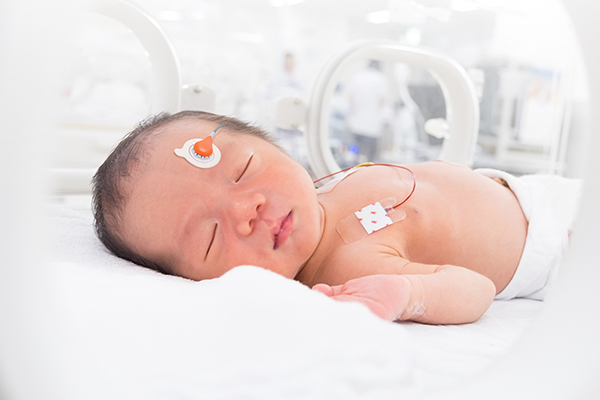
As neonatal medicine advances and the viability of “micropreemie” babies increases, care teams face a difficult balance: life-saving intervention vs. long-term developmental impact.
In this whitepaper, the NICU team at Woman’s Hospital (Baton Rouge, LA) shares how they:
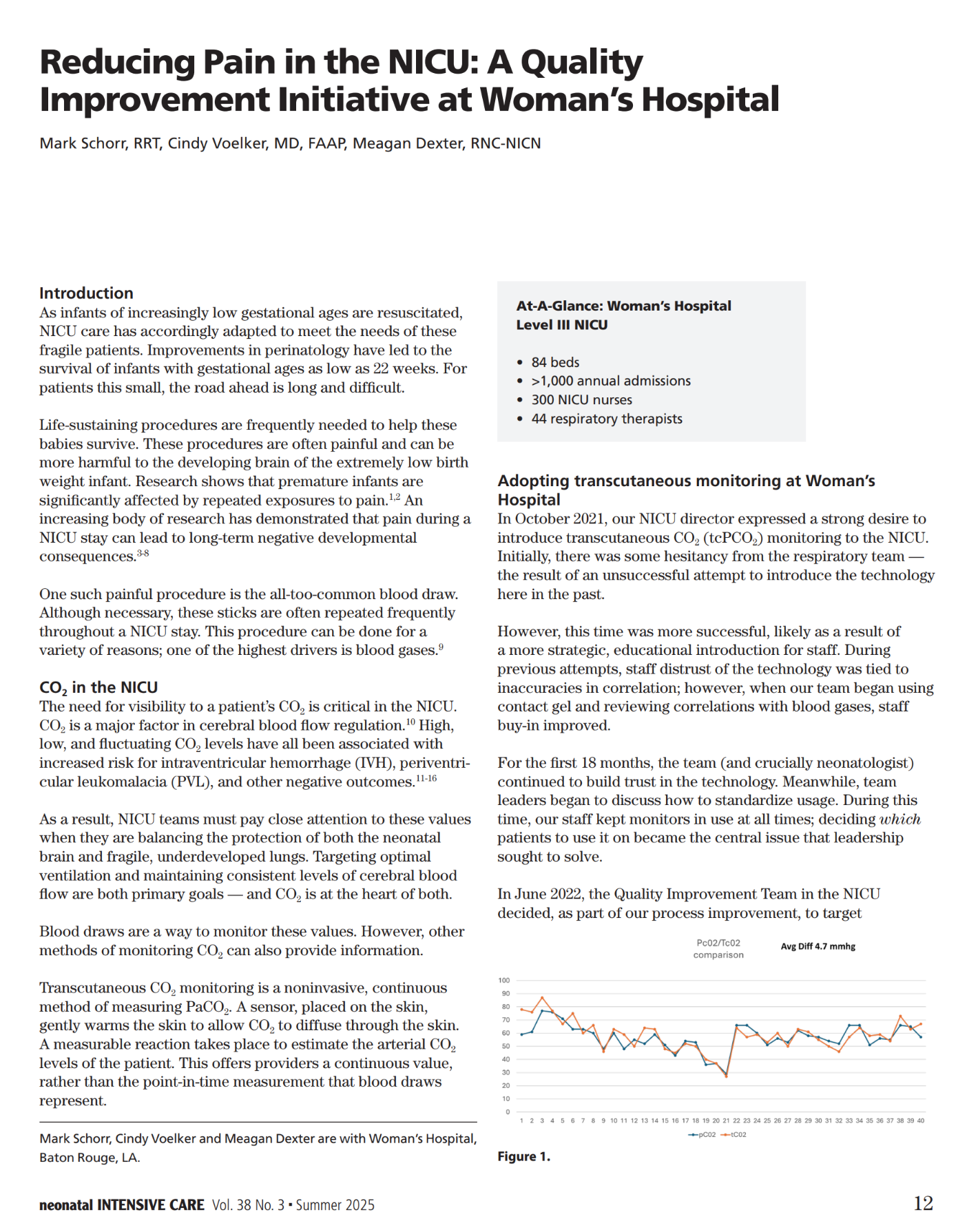
With transcutaneous CO₂ monitoring, they achieved measurable improvements in patient comfort and safety — while maintaining visibility into these patient’s constantly changing ventilation status.
Neonatal Intensive Care Summer 2025:
Reducing Pain in the NICU: A Quality Improvement Initiative
As neonatal medicine advances and the viability of “micropreemie” babies increases, care teams face a difficult balance: life-saving intervention vs. long-term developmental impact.
In this whitepaper, the NICU team at Woman’s Hospital (Baton Rouge, LA) shares how they:
With transcutaneous CO₂ monitoring, they achieved measurable improvements in patient comfort and safety — while maintaining visibility into these patient’s constantly changing ventilation status.
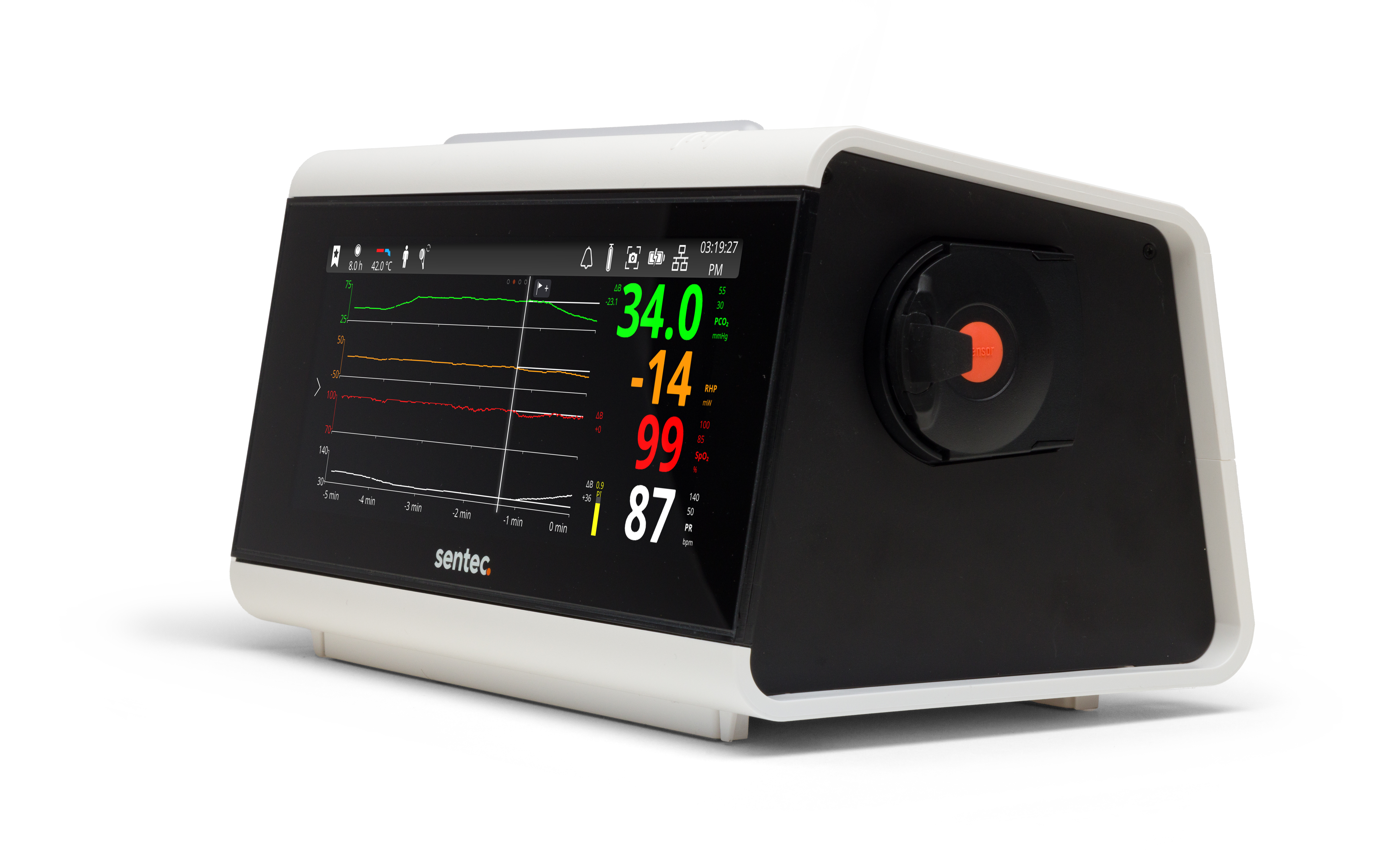
Meet the tCOM+
Developed with care, designed for confidence.
The tCOM+ offers continuous monitoring of tcPCO2, SpO2, and PR with a sleek new look and feel. This latest model includes significant software advances that improve workflow for providers, while continuing to support reduced blood draws and proactive ventilator management across care areas.
Stay up-to-date with Sentec