


NON-CE RECORDING
Learning Objectives:
Identify adult patient populations—such as obesity hypoventilation syndrome (OHS), overlap syndrome, and neuromuscular disease—that benefit from overnight CO₂ monitoring.
Describe the limitations of SpO₂ alone in detecting sleep-related hypoventilation.
Explain the clinical importance of addressing chronic hypercapnia and the benefits of lowering baseline CO₂ values.
RECORDING
NON-CE RECORDING
Learning Objectives:
Identify adult patient populations—such as obesity hypoventilation syndrome (OHS), overlap syndrome, and neuromuscular disease—that benefit from overnight CO₂ monitoring.
Describe the limitations of SpO₂ alone in detecting sleep-related hypoventilation.
Explain the clinical importance of addressing chronic hypercapnia and the benefits of lowering baseline CO₂ values.
Stay up-to-date with Sentec
Related Posts

Non-CE Recording
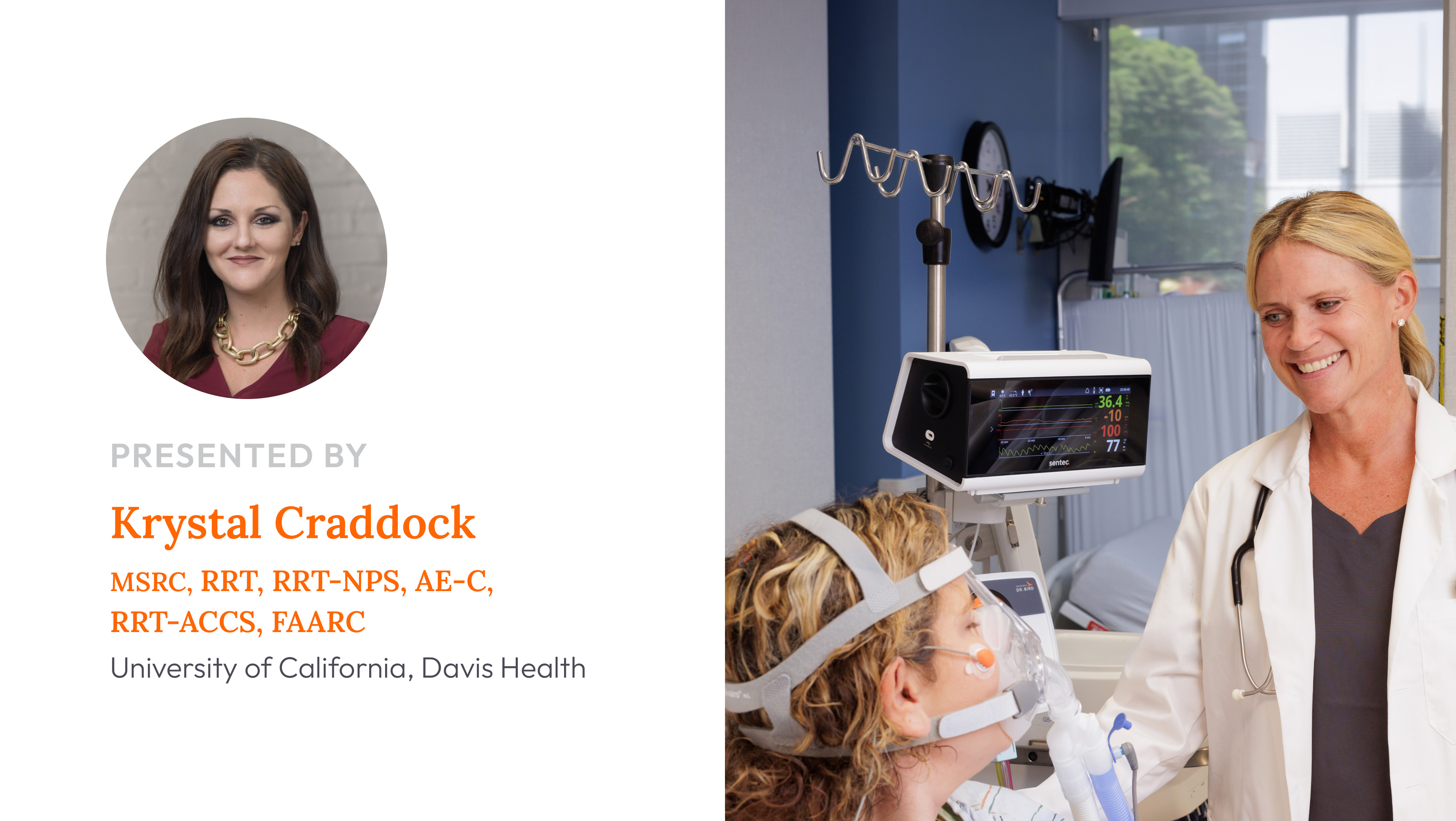
The Use of TCM in a Dedicated COPD Clinic: A Novel Practice
Watch this non-CE recording with Krystal Craddock of UC Davis Health exploring transcutaneous CO₂ monitoring in COPD clinics, including spot-check applications and real-world data.

Non-CE Recording
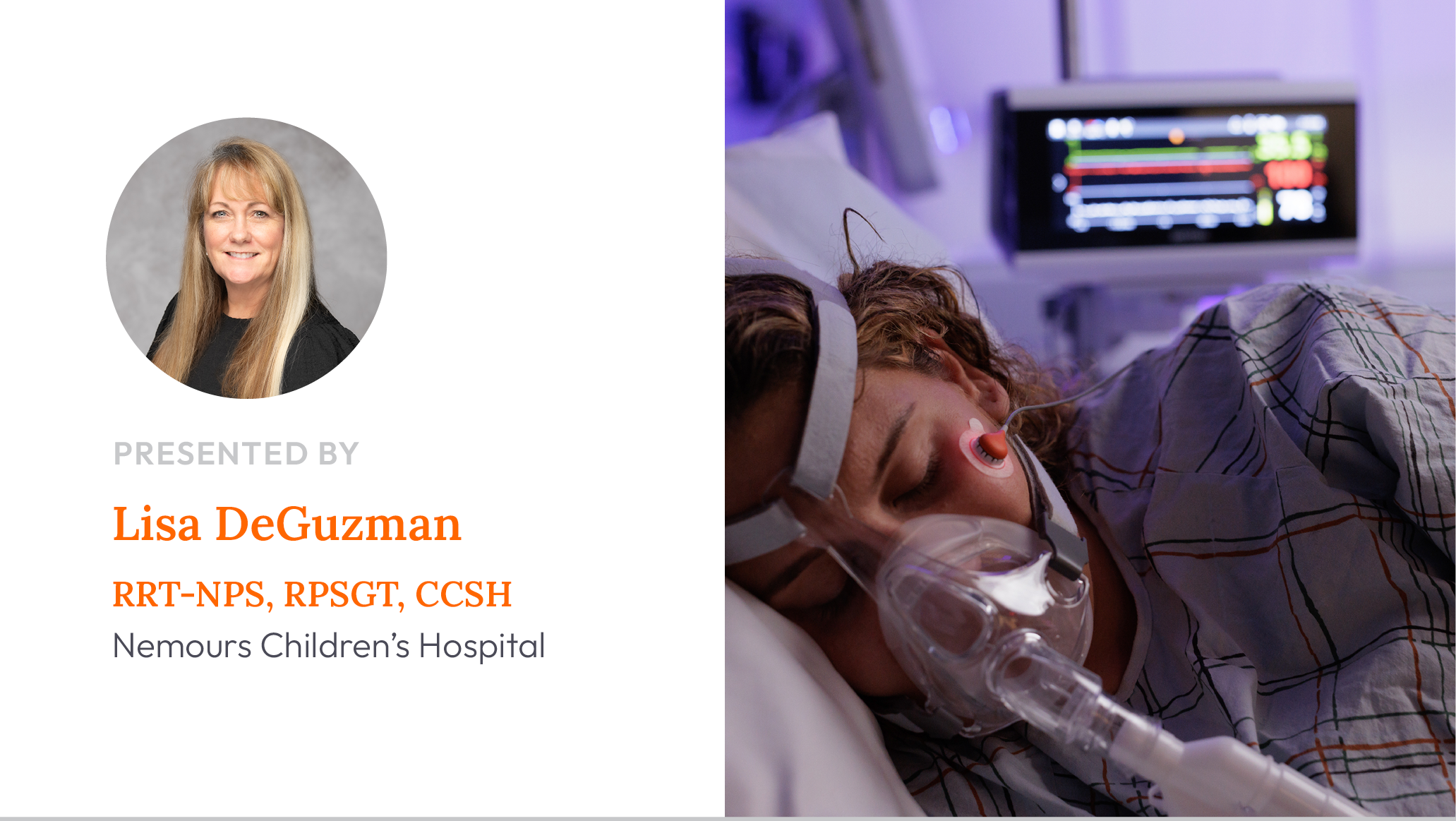
Core Ventilation Concepts for Sleep Technologists
Join Lisa DeGuzman, RRT-NPS, RPSGT, CCHS to explore ventilation basics, PAP modalities, and monitoring tools for sleep technologists in this webinar recording.

Non-CE Recording
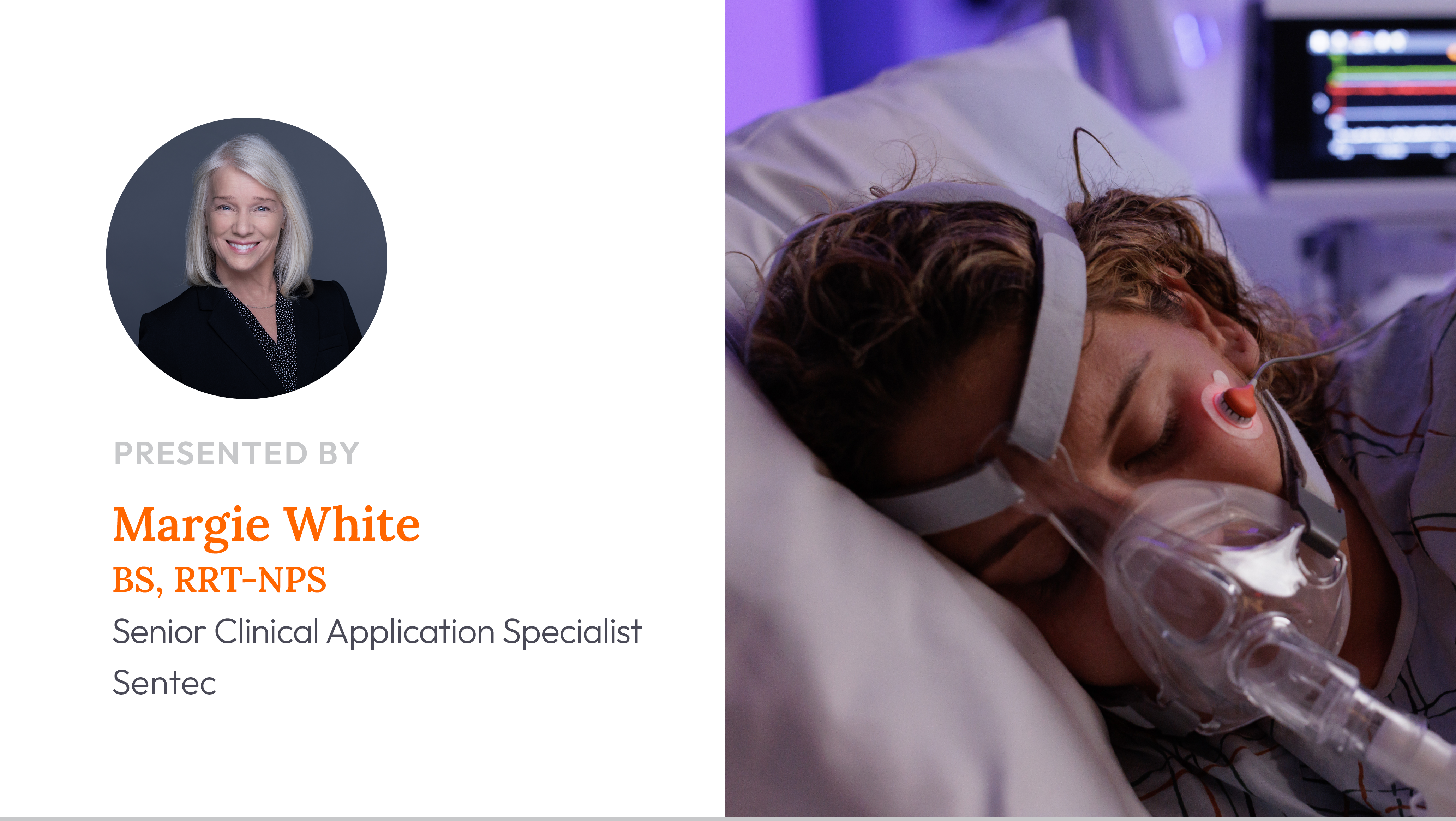
Noninvasive CO2 Monitoring in Sleep Diagnostics: Methods, Limitations, and Benefits
Learn how CO₂ monitoring improves sleep studies, why SpO₂ alone falls short, and compare methods of monitoring.