

MENU

Sentec Article
How to Get Started with Transcutaneous Monitoring in the NICU
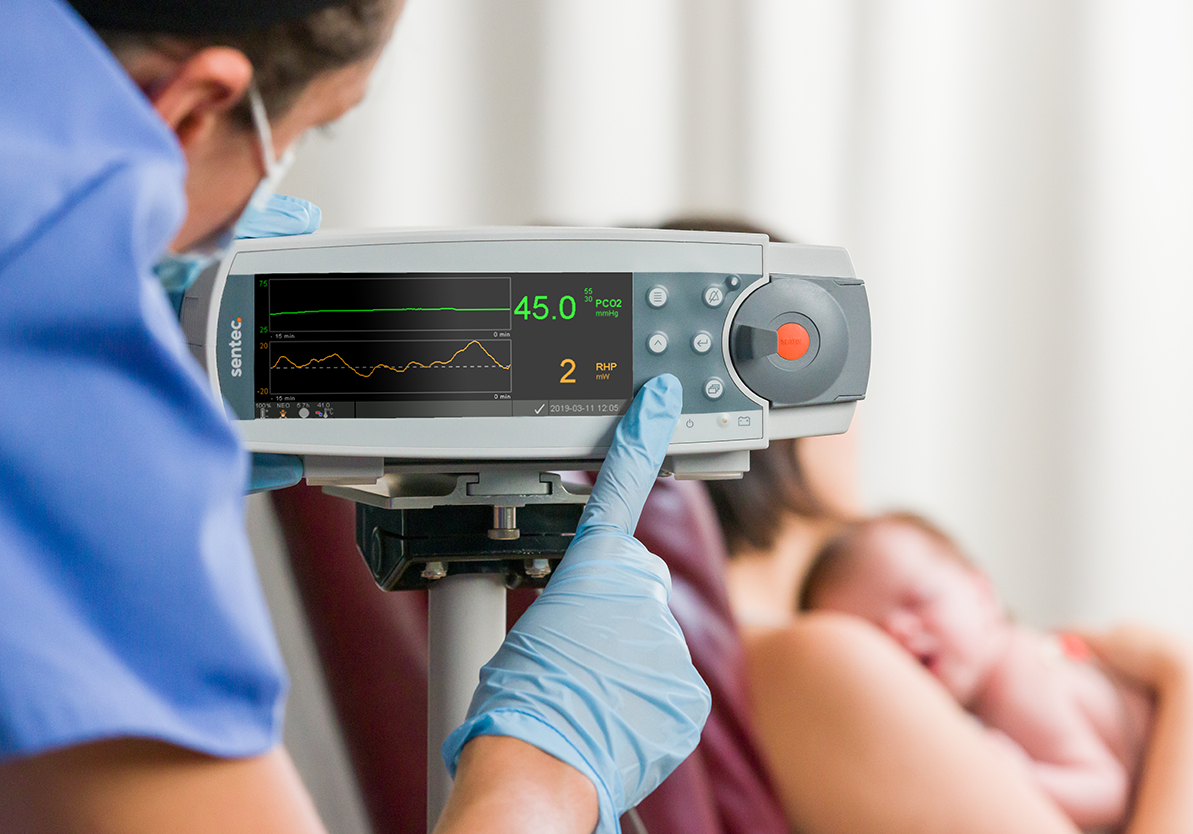
Introducing any new technology in a clinical setting can be an exciting time – you’re eager to use your new tool and see the benefits for patients – especially in the NICU where the smallest, sickest babies are.

Whitepaper
The Downsides & Limitations of Neonatal Blood Sampling
In neonatal intensive care units (NICUs), blood sampling, including arterial blood gas (ABG) tests and capillary blood tests (commonly known as a ‘heel stick’), plays an important role in patient monitoring. These tests help care teams monitor a variety of parameters, including blood pH levels and concentrations of vital gases like carbon dioxide (CO2) and oxygen (O2).
Sentec Article
NICU Ventilation: An Overview of Neonatal Ventilatory Support & The Challenges Faced By Care Teams
How can NICU teams ensure that all of these priorities are adequately managed? Here, we’ll take a deeper look at NICU ventilation, the challenges that clinicians face, and strategies that can help.
Sentec Article
What is Intrapulmonary Percussive Ventilation (IPV) Therapy?
Intrapulmonary percussive ventilation (IPV) therapy is an airway clearance therapy that combines percussion, high-velocity flow, and entrainment to mobilize secretions and address gas exchange impairment. The therapy can be delivered through a mouthpiece or mask, directly to the airway, or in-line with a ventilator, making it versatile for a range of patient populations.

Product Spotlight
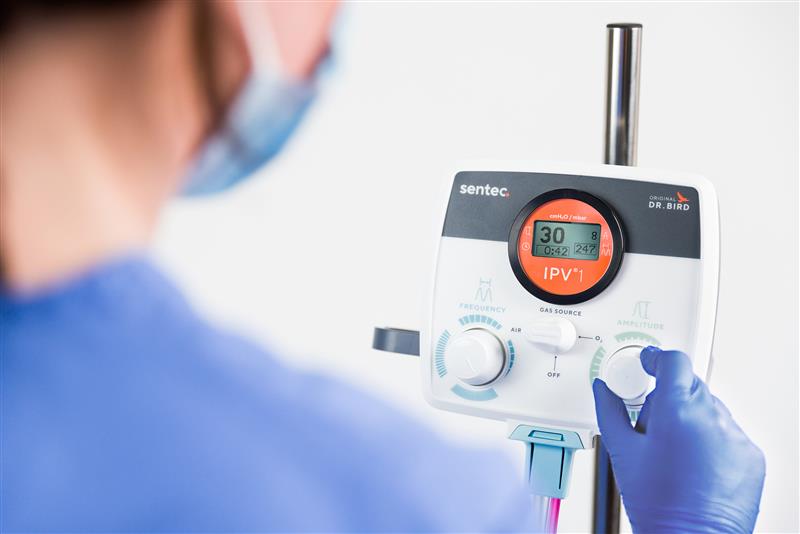
Meet the IPV 1
The IPV 1 is a safe and effective airway clearance device that builds on the Percussionaire legacy of IPV therapy with a Unified Connector that supports patient safety, a patient-friendly interface, and the unique efficacy of the Phasitron.
Sentec Article
Is IPV Therapy Safe
Along with IPV therapy’s clinical results in treating patients with respiratory complications, it has a demonstrated history of being safe and well-tolerated across diverse patient populations, care settings, and delivery interfaces.

Whitepaper
How to Create a Plan for Blood Draw Reduction in the NICU with Transcutaneous Monitoring
We may not typically consider blood draws and heel sticks to be a large driver of patients losing blood, but the issue carries greater significance with neonatal patients, who don’t have much blood to give in the first place.

Product Spotlight
Storage, Mounting, and Facility Planning for Transcutaneous Monitoring
There is a long list of decisions to make when adopting new technology in a hospital unit, and transcutaneous monitoring is no exception. Some of the most overlooked decisions in our experience are those around mounting and storing the devices both during monitoring, while not in use, as well as for performing maintenance.

Sentec Article
Transcutaneous Monitoring in the NICU
This animation offers a simple explanation for how transcutaneous monitoring works in the NICU to support balanced care for these fragile patients.