


Thursday, May 14, 2026
12 PM ET | 3 PM ET
Learning Objectives:
- Describe the various respiratory support modalities and mechanical ventilation modes commonly used in the NICU, and identify strategies to optimize ventilation management
- Explain the importance of ventilation management in neonates and the clinical implications of abnormal CO₂ levels.
- Discuss key considerations when managing mechanical ventilation and how to determine appropriate, targeted CO₂ ranges.
APPROVED FOR THE FOLLOWING CE CREDITS:
- 1 contact hour Continuing Respiratory Care Education (CRCE) credit by the American Association for Respiratory Care (AARC) | Course #194918000
- California Board of Registered Nursing for 1 contact hour | Provider Number 17621
REGISTER
Thursday, May 14 , 2026
12 PM ET | 3 PM ET
Learning Objectives:
- Describe the various respiratory support modalities and mechanical ventilation modes commonly used in the NICU, and identify strategies to optimize ventilation management.
- Explain the importance of ventilation management in neonates and the clinical implications of abnormal CO₂ levels.
Discuss key considerations when managing mechanical ventilation and how to determine appropriate, targeted CO₂ ranges.
APPROVED FOR THE FOLLOWING CE CREDITS:
- 1 contact hour Continuing Respiratory Care Education (CRCE) credit by the American Association for Respiratory Care (AARC) | Course #194918000
- California Board of Registered Nursing for 1 contact hour | Provider Number 17621
Stay up-to-date with Sentec
Related Posts

CE, Live
The Use of TCM in a Dedicated COPD Clinic: A Novel Practice
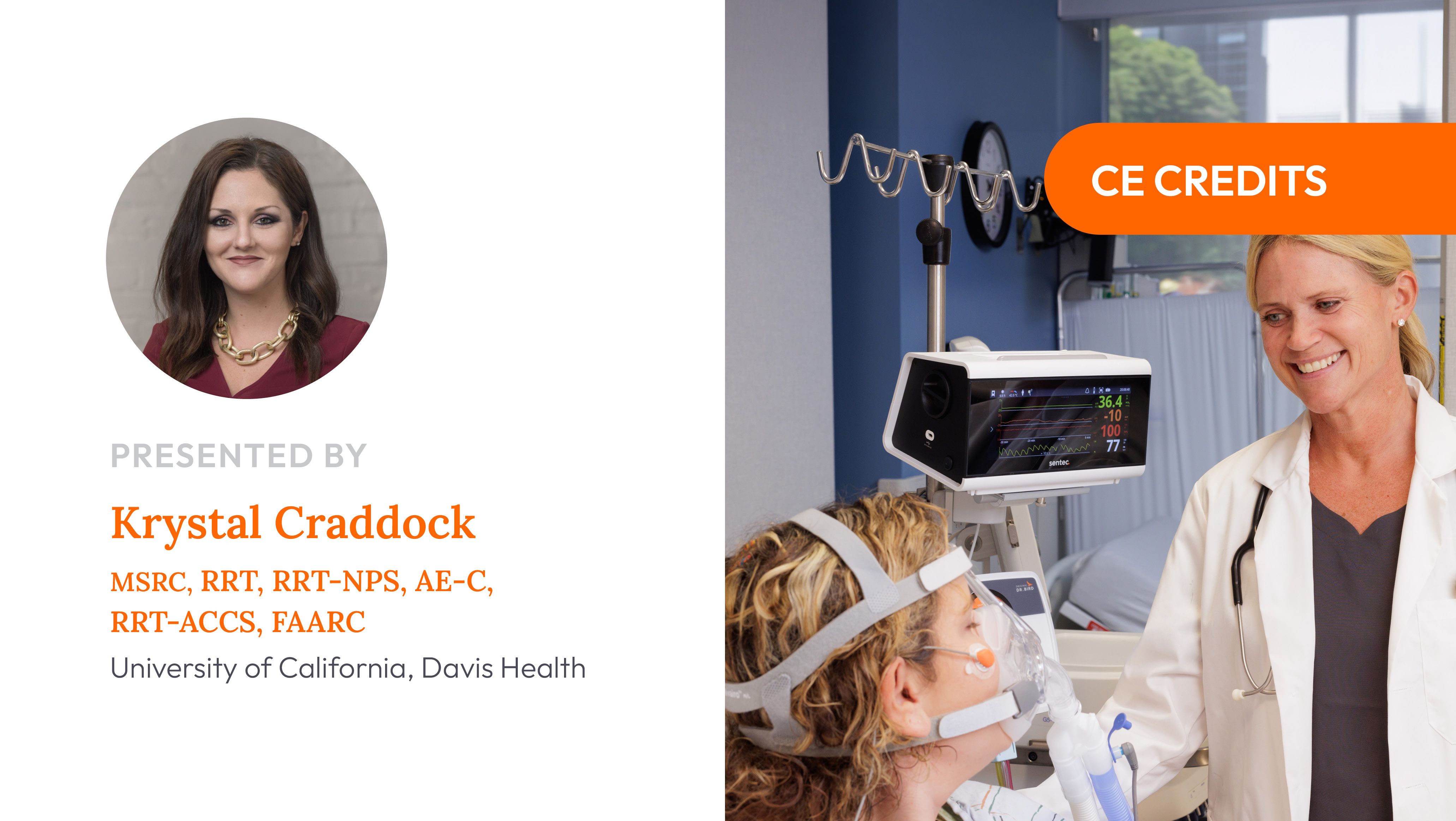
Join Krystal Craddock on May 13 at 12 pm and 3 pm ET for a live CE webinar on TCM use in a COPD clinic. Earn 1 CRCE credit and explore real-world data and clinical applications.

CE, Live
Core Ventilation Concepts for Sleep Technologists
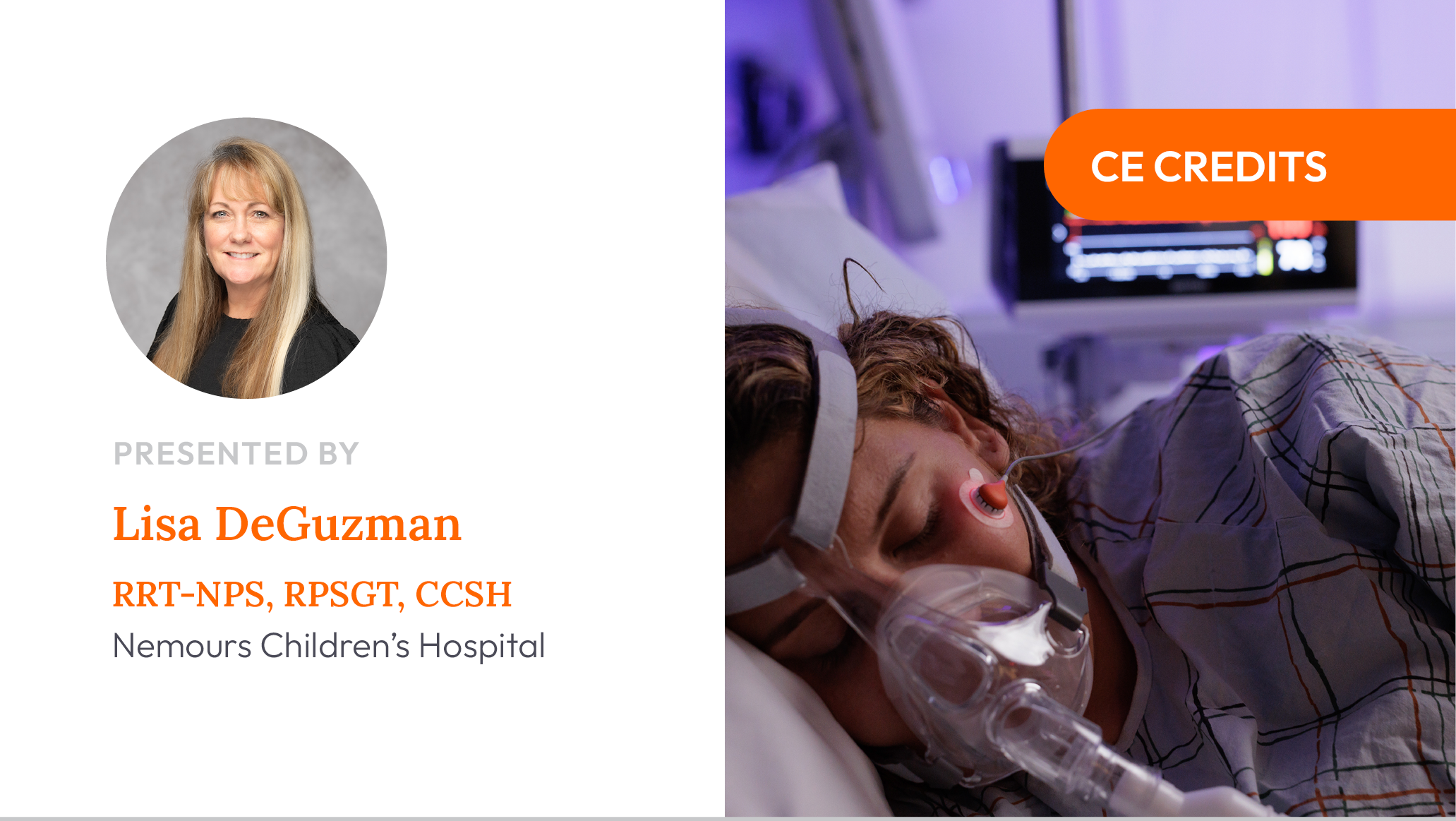
Join Lisa DeGuzman, RRT-NPS, RPSGT, CCHS for a live CE webinar on April 21 to explore ventilation basics, PAP modalities, and monitoring tools for sleep technologists.

Non-CE Recording
Clinical Applications of Transcutaneous CO2 Monitoring in the Adult Sleep Lab
Learn how transcutaneous CO₂ monitoring enhances detection of sleep-related hypoventilation in adult patients.