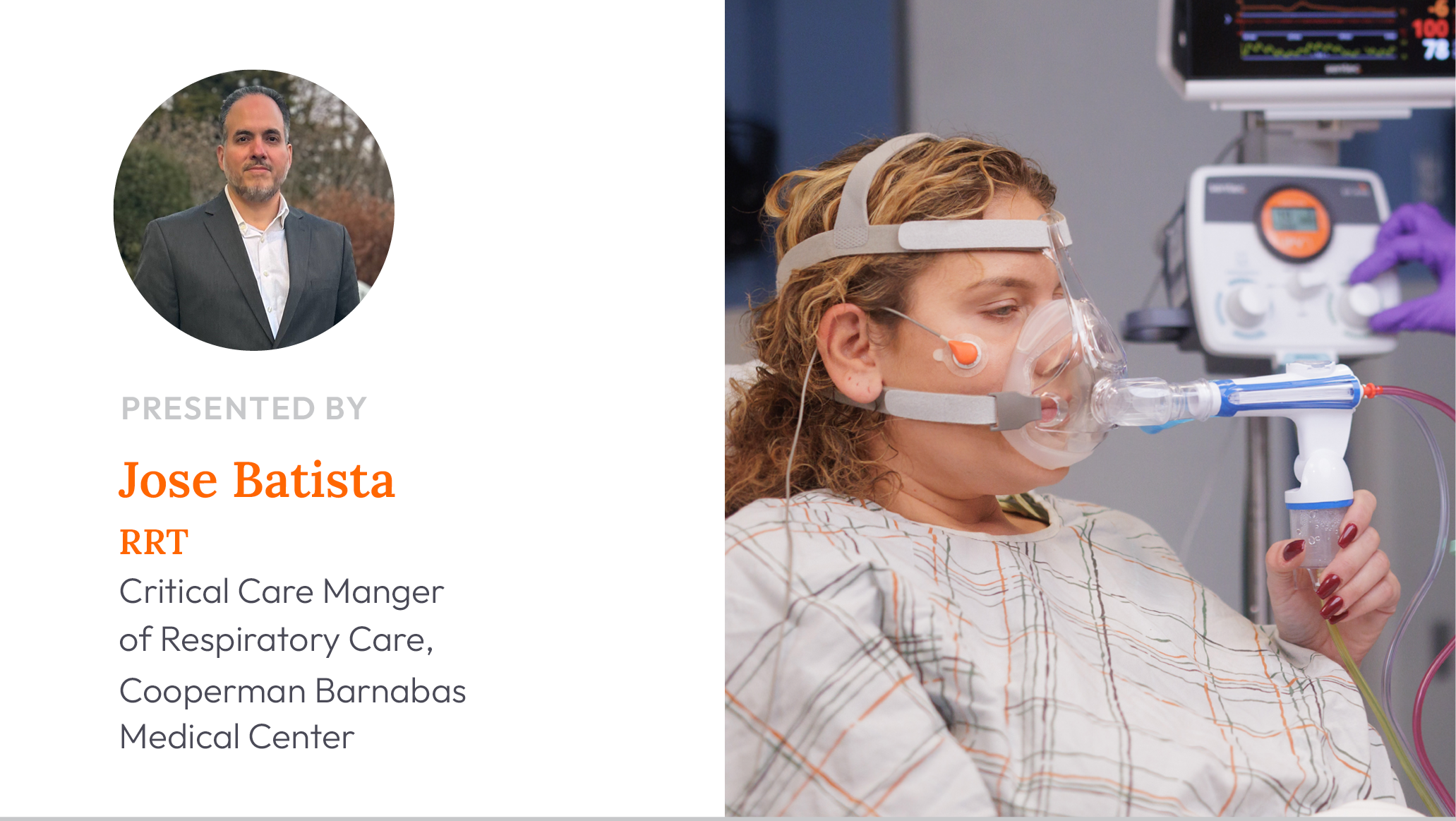



NON-CE RECORDING
Learning Objectives:
- Explain the importance of Bronchial Hygiene Therapy in patients with chronic respiratory insufficiency and identify devices or techniques that are indicated
- Identify the features of IPV therapy that enable effective treatment of the distal airways to mobilize secretions, treat atelectasis, and reduce air trapping
- Evaluate the available literature supporting the use of IPV therapy in patients with chronic respiratory insufficiency to reduce hospitalizations, improve lung function, and overall quality of life
- Understand reimbursement options for IPV therapy
RECORDING
NON-CE RECORDING
Learning Objectives:
- Explain the importance of Bronchial Hygiene Therapy in patients with chronic respiratory insufficiency and identify devices or techniques that are indicated
- Identify the features of IPV therapy that enable effective treatment of the distal airways to mobilize secretions, treat atelectasis, and reduce air trapping
- Evaluate the available literature supporting the use of IPV therapy in patients with chronic respiratory insufficiency to reduce hospitalizations, improve lung function, and overall quality of life
- Understand reimbursement options for IPV therapy
Stay up-to-date with Sentec
Related Posts

Non-CE Recording
More than Airway Clearance: Improving Outcomes with IPV Therapy
Explore how IPV therapy improves outcomes beyond airway clearance, with practical strategies for respiratory care and protocol implementation.

Non-CE Recording, Support
Delivering IPV® Therapy In-Line with Mechanical Ventilation: Clinical Indications and Best Practices
Learn how to deliver IPV® therapy in-line with mechanical ventilation to support airway clearance, improve lung recruitment, and maintain ventilatory support in high-risk pediatric and adult patients.

Non-CE Recording
The Burden of Respiratory Failure in the ICU: RT-led Strategies, Bronchial Hygiene, and the Role of IPV Therapy
Watch the non-CE recording with Jose Batista, RRT, to learn how IPV therapy, bronchial hygiene techniques, and RT-led protocols improve weaning outcomes and reduce atelectasis in ICU patients.