

NON-CE RECORDING
Learning Objectives:
- Describe the physiologic importance of continuous CO2 monitoring across neonatal respiratory, neurologic, and cardiopulmonary care.
- Identify expanded NICU use cases where transcutaneous CO2 monitoring may provide added clinical value beyond routine ventilation management.
- Explain how tcPCO2 trending can support care during dynamic clinical transitions, including surfactant therapy, therapeutic hypothermia, ECMO, surgery, transport, and weaning to home ventilation.
- Discuss how continuous, noninvasive CO2 monitoring may complement intermittent blood gas assessment and support clinical decision-making throughout the NICU stay.
Recording
Related Posts

Non-CE Recording
Clinical Applications of Transcutaneous CO2 Monitoring in the Adult Sleep Lab
Explore using transcutaneous CO2 monitoring in the adult sleep lab to detect and manage nocturnal hypoventilation in OHS, COPD/overlap, and neuromuscular disease patients.
Non-CE Recording
The Importance of Secretion Management in Respiratory Disease
Explore how retained secretions and mucus plugging drive COPD and bronchiectasis progression, and the role of airway clearance, including IPV, in breaking the cycle.

Webinar Article
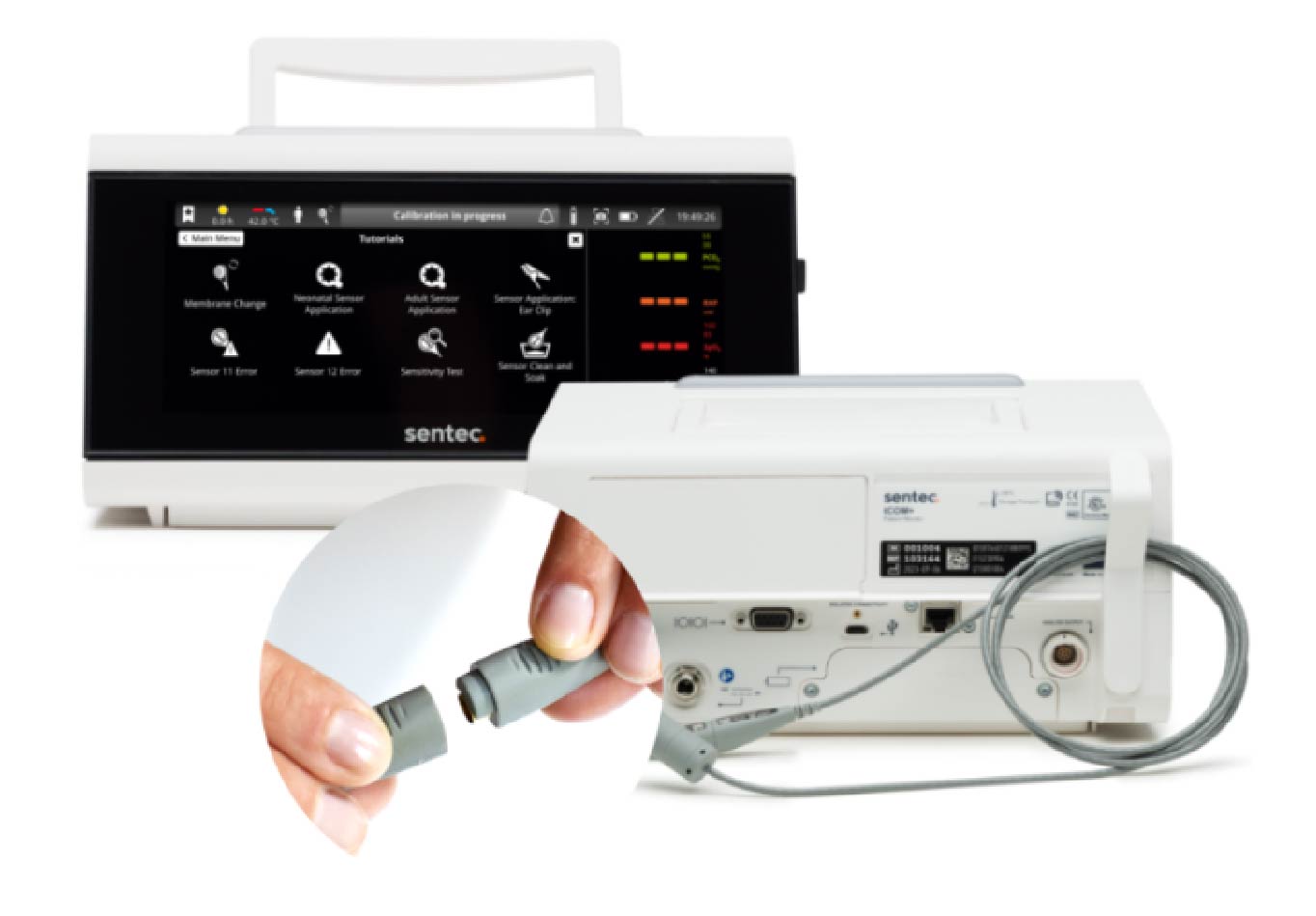
Meet the Sentec tCOM+: A New Era of Transcutaneous CO₂ Monitoring
Discover how the Sentec tCOM+ enhances transcutaneous CO₂ monitoring with a modern touchscreen, smarter calibration, improved data visualization, and built-in educational resources.