

NON-CE RECORDING
Learning Objectives:
- Describe the fundamental principles of ventilation and respiratory physiology as they relate to gas exchange, control of breathing, and key ventilatory parameters.
- Differentiate between common PAP modalities and understand their clinical applications in managing sleep-related breathing disorders.
- Identify and interpret key monitoring tools and respiratory event types to effectively support PAP titration, recognize hypoventilation, and troubleshoot therapy issues.
RECORDING
NON-CE RECORDING
Learning Objectives:
- Describe the fundamental principles of ventilation and respiratory physiology as they relate to gas exchange, control of breathing, and key ventilatory parameters.
- Differentiate between common PAP modalities and understand their clinical applications in managing sleep-related breathing disorders.
- Identify and interpret key monitoring tools and respiratory event types to effectively support PAP titration, recognize hypoventilation, and troubleshoot therapy issues.
Stay up-to-date with Sentec
Related Posts

Webinar Article
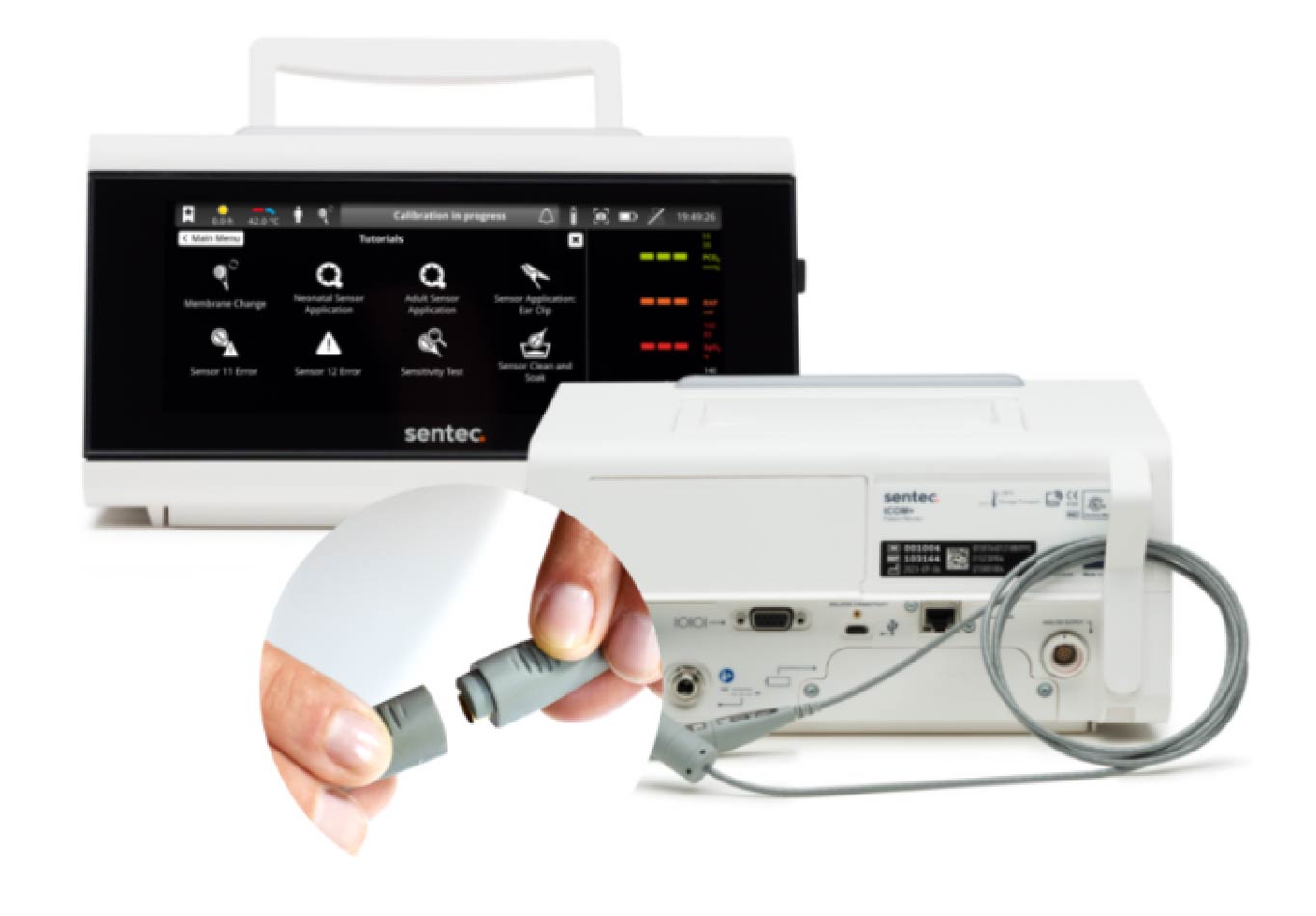
Meet the Sentec tCOM+: A New Era of Transcutaneous CO₂ Monitoring
Discover how the Sentec tCOM+ enhances transcutaneous CO₂ monitoring with a modern touchscreen, smarter calibration, improved data visualization, and built-in educational resources.

Webinar Article
Achieving Reliable Correlation with Transcutaneous CO2 Monitoring
Learn how to improve tcPCO₂ correlation with blood gas values through best practices, troubleshooting tips, optimal sensor placement, and Relative Heating Power (RHP) insights.

Non-CE Recording
The Use of TCM in a Dedicated COPD Clinic: A Novel Practice
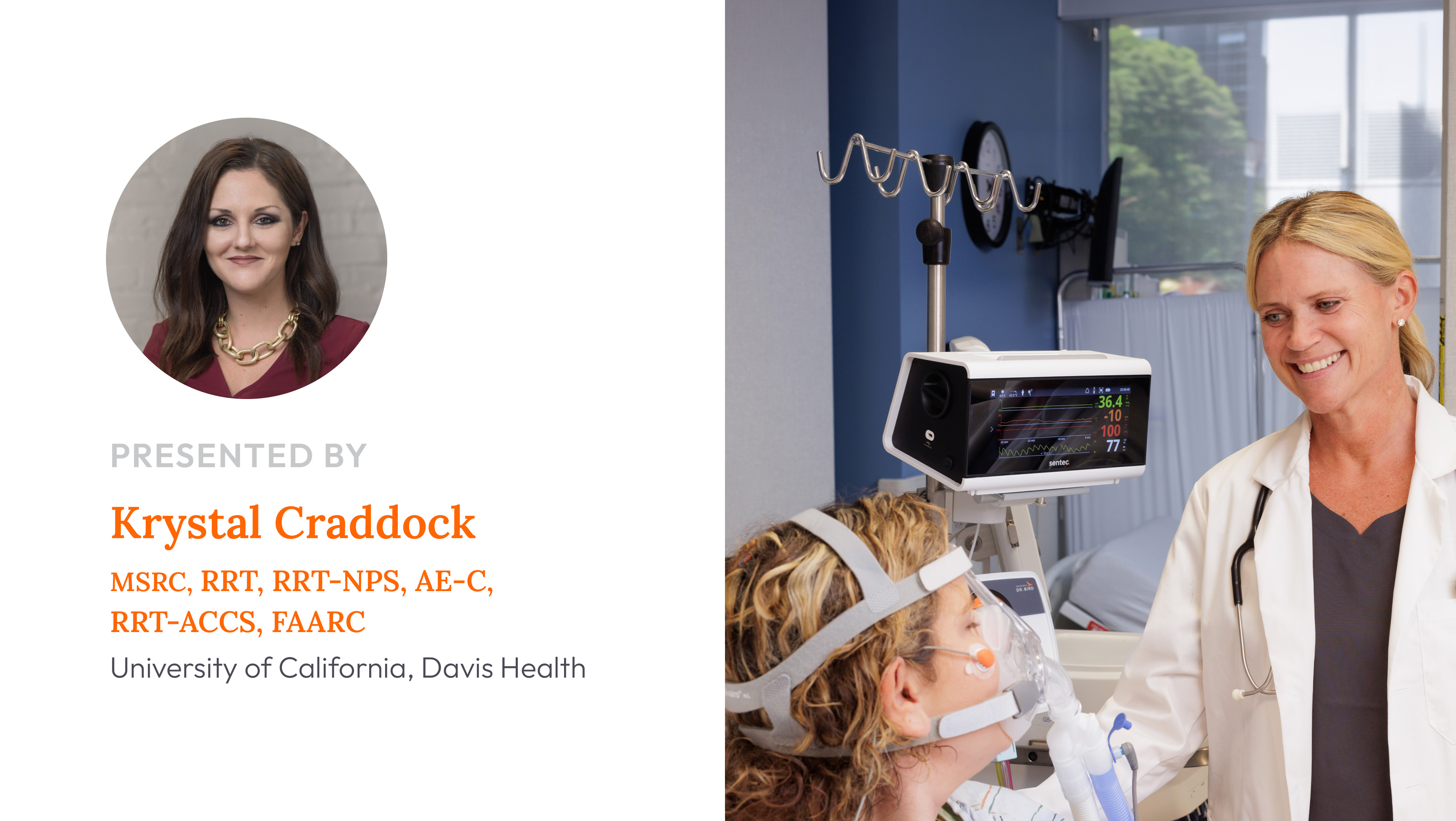
Watch this non-CE recording with Krystal Craddock of UC Davis Health exploring transcutaneous CO₂ monitoring in COPD clinics, including spot-check applications and real-world data.