


NON-CE RECORDING
Learning Objectives:
- Describe the physiologic mechanisms that lead to secretion retention and mucus plugging in patients with COPD and bronchiectasis.
- Explain how retained secretions contribute to airway obstruction, recurrent respiratory infections, inflammation, and progressive lung injury.
- Discuss the relationship between chronic respiratory infections, exacerbations, and disease progression in patients with chronic airway disease.
- Discuss the importance of airway clearance as a strategy for reducing secretion burden and supporting respiratory health and the potential role of intrapulmonary percussive ventilation (IPV) therapy to reduce secretions.
Recording
Related Posts

Non-CE Recording
Clinical Applications of Transcutaneous CO2 Monitoring in the Adult Sleep Lab
Explore using transcutaneous CO2 monitoring in the adult sleep lab to detect and manage nocturnal hypoventilation in OHS, COPD/overlap, and neuromuscular disease patients.
Non-CE Recording
Expanded Use Cases for Transcutaneous CO2 Monitoring in the NICU
Learn how continuous tcPCO2 monitoring supports NICU care from admission to discharge, including surfactant therapy, BPD, PPHN, ECMO, and weaning to home ventilation.

Webinar Article
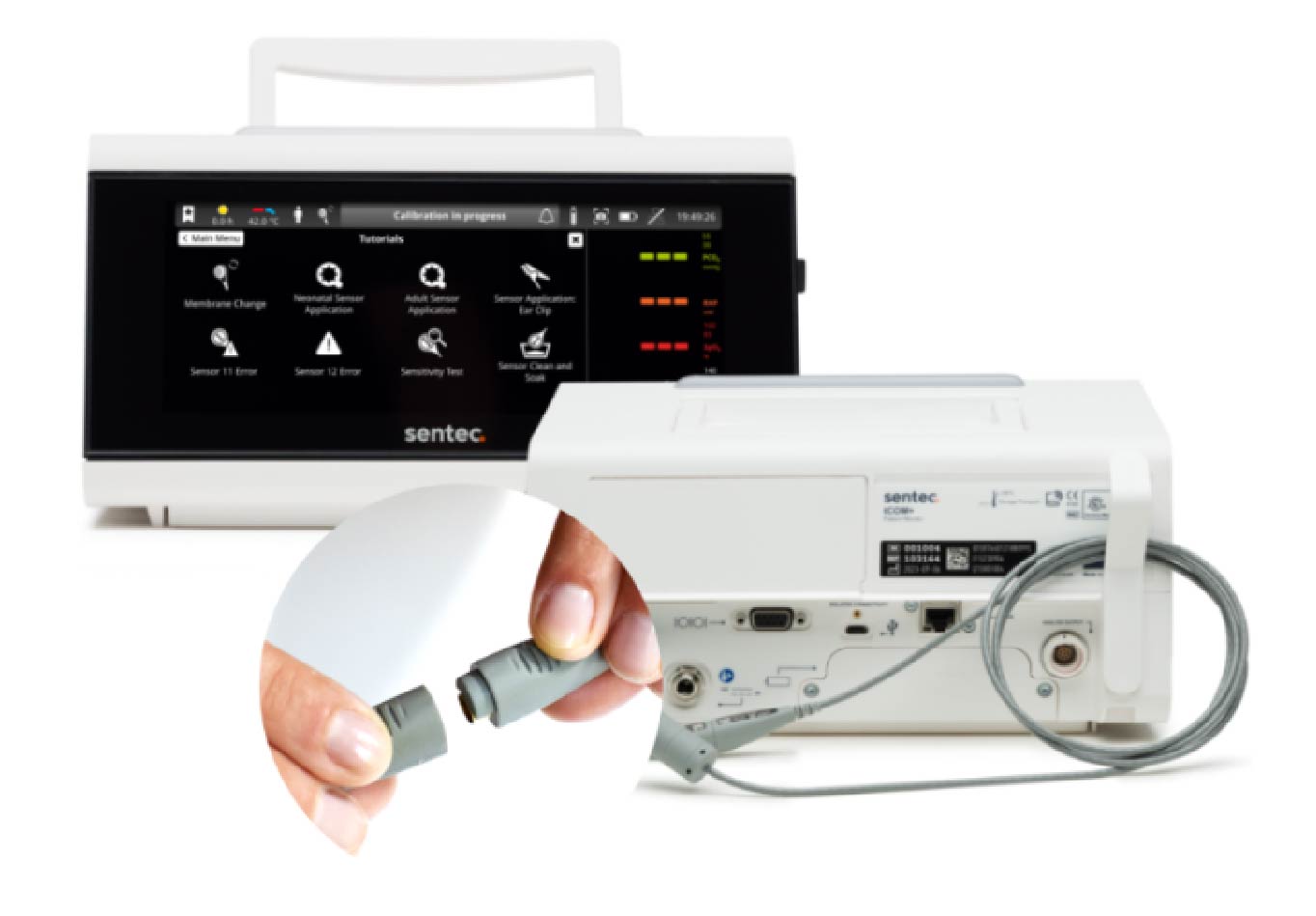
Meet the Sentec tCOM+: A New Era of Transcutaneous CO₂ Monitoring
Discover how the Sentec tCOM+ enhances transcutaneous CO₂ monitoring with a modern touchscreen, smarter calibration, improved data visualization, and built-in educational resources.