

MENU

Whitepaper
Clinical Applications of Transcutaneous Monitoring for Children’s Hospitals
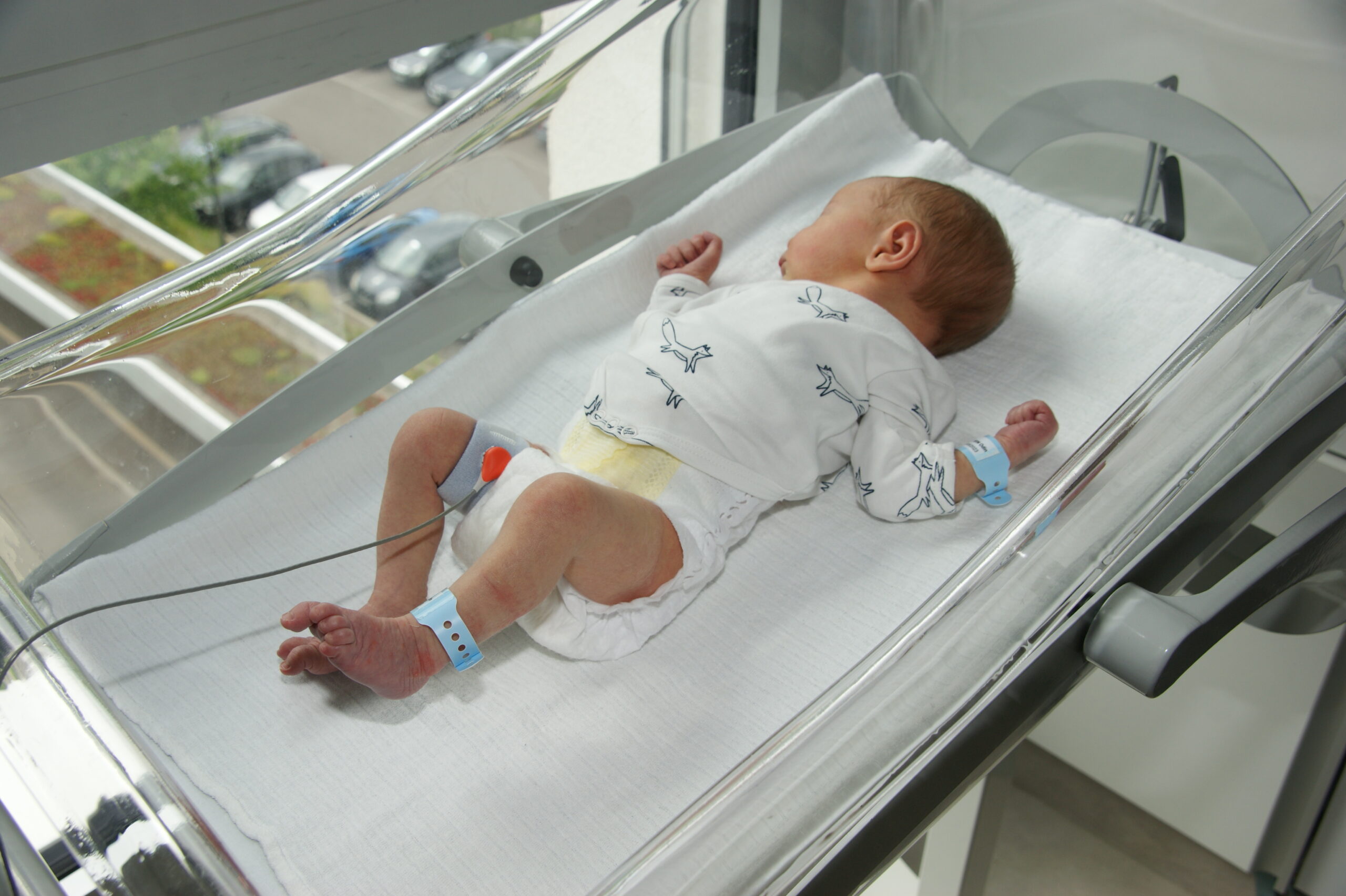
Transcutaneous CO2 monitoring (tcPCO2) is considered by many neonatal teams to be standard of care in the NICU for intubated patients – but many children’s hospitals utilize this technology across many more patient types and care settings. This document explores tcPCO2 in clinical settings, demonstrating the impact that this technology can have throughout a children’s hospital.

Product Brochure
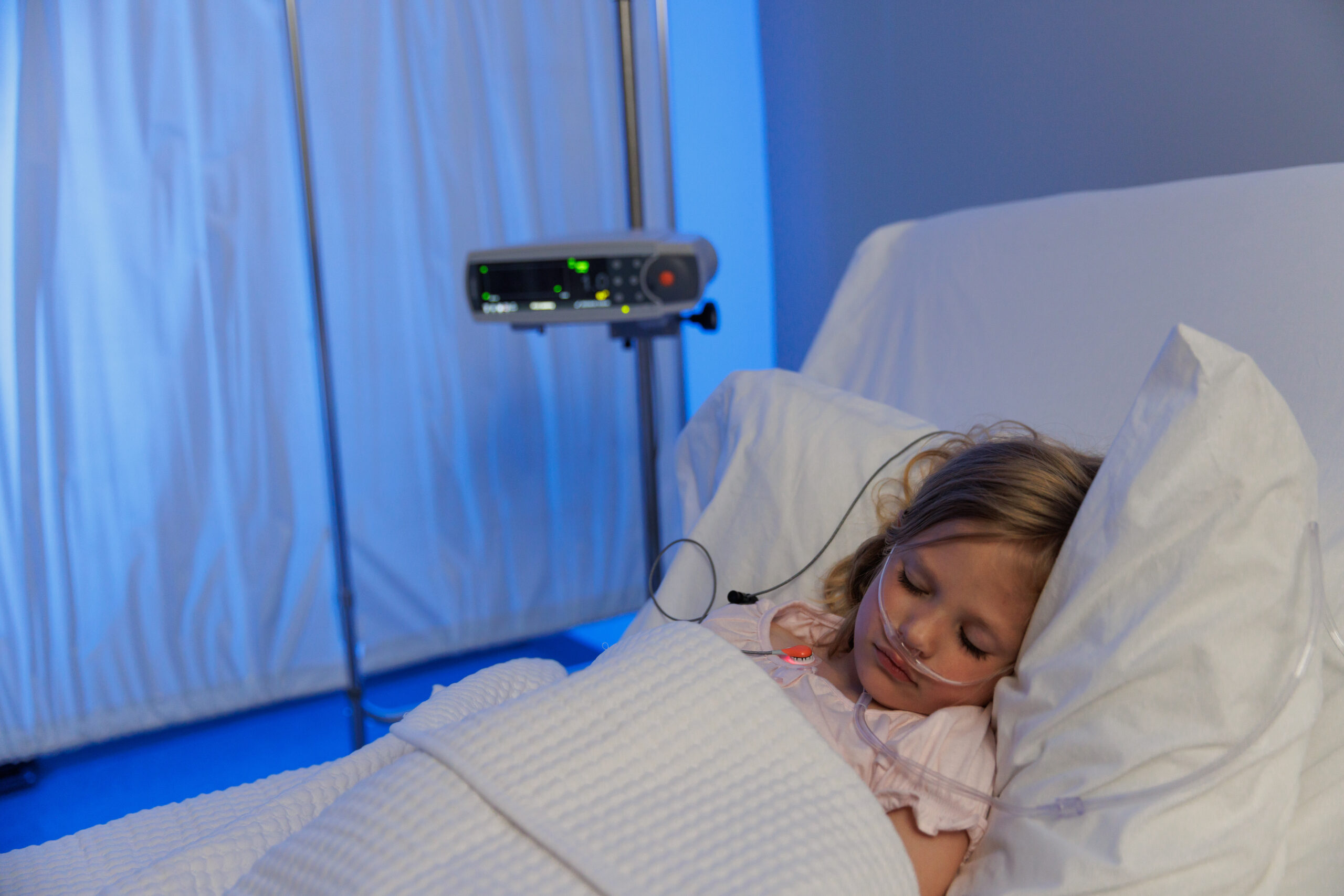
Continuous, Accurate CO2 Monitoring for the Sleep Lab
How could transcutaneous CO2 monitoring support your sleep lab team? Get an overview of this technology's role in patient care and explore the Sentec monitoring system designed for sleep.

Product Brochure
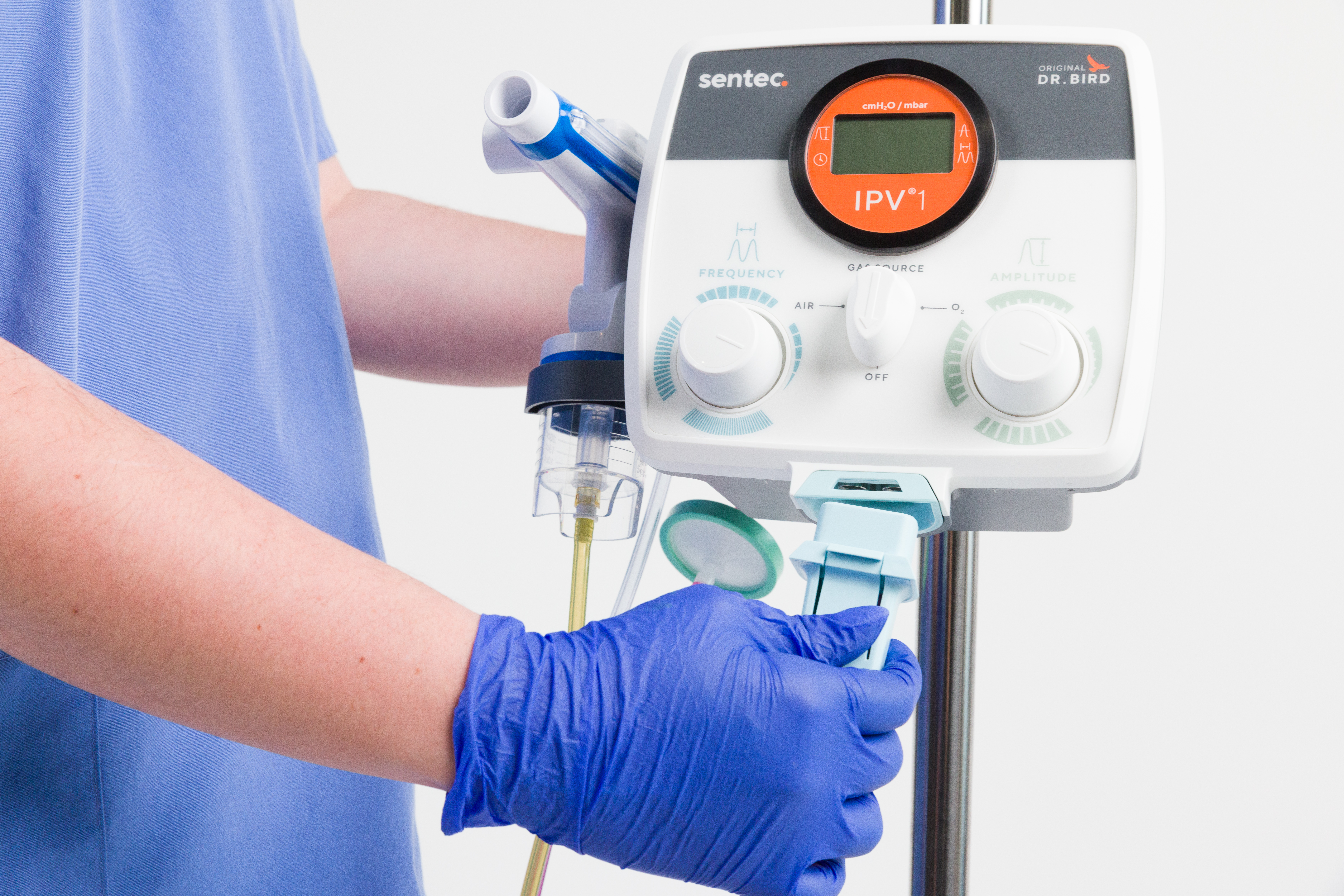
Intrapulmonary Percussive Ventilation (IPV) Therapy | Brochure
With a full suite of devices, IPV therapy is designed to support a wide range of patients facing these respiratory challenges — providing seamless care from hospital to home.

Clinical Impact Summary
Intrapulmonary Percussive Ventilation Therapy: Clinical Impact & Utility
IPV therapy is a safe and well-tolerated airway clearance therapy that can be used with a diverse set of patient populations, care settings, and delivery interfaces.

Product Spotlight
Attachment Solutions For Transcutaneous CO2 Monitoring
The Sentec suite of attachment options for transcutaneous CO2 monitoring allows care teams to confidently choose solutions that support the clinical priorities of each patient — across populations and care settings.

Sentec Article
5 Keys to Success in Adopting Transcutaneous Monitoring
Learn more about how a level IV NICU team was recently successful in developing an all-encompassing strategy to drive consistent utilization of transcutaneous monitoring with the goal of improving patient care.

Sentec Article
Is It Time to Reconsider Transcutaneous CO2 Monitoring for Your Unit?
In NICUs, PICUs, and sleep labs around the world, transcutaneous monitoring has increasingly become a trusted tool for continuous, noninvasive CO2 measurement. The technology can help reduce the need for frequent blood draws, enable proactive ventilator management, and offer additional benefits as care teams support diverse patient populations.
Sentec Article
5 Ways End-Tidal CO2 Monitoring Can Fall Short in the NICU
In the NICU, closely monitoring carbon dioxide (CO2) levels is a crucial aspect of care for premature and critically ill infants — fluctuations in CO2 levels can disrupt cerebral blood flow, increasing the risk of intraventricular hemorrhage (IVH), periventricular leukomalacia (PVL), and other cerebral injuries.¹

Guest Article
Transcutaneous CO2 Monitoring in Pediatric Sleep Studies: Case Studies from Nemours Children’s Hospital
In the Pediatric Sleep Center at Nemours Children’s Hospital, transcutaneous CO2 monitoring is a valuable tool that we use for both routine and complex cases.
Sentec Article
5 Reasons to Consider Transcutaneous CO2 Monitoring for Your Small Baby Unit
In a small baby unit, transcutaneous CO2 monitoring can support care teams in delivering the high level of care preterm babies require. The technology provides continuous CO2 monitoring, supporting timely assessments of respiratory status to aid in protecting the vulnerable brains and lungs of neonatal patients.