

Highlights

How Rush uses transcutaneous monitoring to:

  • Reduce iatrogenic blood loss
  • Reduce neonatal pain
  • Continuously monitor mechanical ventilation

Rush’s integration of transcutaneous monitoring within NICU protocols, covering:

  • Conventional mechanical ventilation
  • High-frequency jet ventilation

Practical insights gained from employing the technology, such as:

  • Choosing the best monitoring site
  • Optimizing correlation with blood gases
  • Effective troubleshooting

Highlights

How Rush uses transcutaneous monitoring to:

  • Reduce iatrogenic blood loss

  • Reduce neonatal pain

  • Continuously monitor mechanical ventilation

Rush’s integration of transcutaneous monitoring within NICU protocols, covering:

  • Conventional mechanical ventilation

  • High-frequency jet ventilation

Practical insights gained from employing the technology, such as:

  • Choosing the best monitoring site

  • Optimizing correlation with blood gases

  • Effective troubleshooting

Meet the Author

Anne M. Geistkemper, MSc, RRT, RRT-NPS

Neonatal Pediatric Clinical Manager, Respiratory Care at Rush University Medical Center & Instructor in the Department of Cardiopulmonary Sciences in the College of Health Sciences at Rush University

Anne Geistkemper, MSc, RRT, RRT-NPS, has dedicated nearly 11 years to the field of respiratory therapy with a focus on neonatal/pediatrics. Deeply committed to her field, she is involved as an AARC Education Section Preceptor, AARC exam prep faculty member, ISRC President-elect, and ISRC Program Committee member. Her outstanding dedication and accomplishments have most recently earned her the 2021 AARC Specialty Practitioner of the Year Award and the 2022 ISRC President’s Award.
Meet the Author

Anne M. Geistkemper, MSc, RRT, RRT-NPS

Neonatal Pediatric Clinical Manager, Respiratory Care at Rush University Medical Center & Instructor in the Department of Cardiopulmonary Sciences in the College of Health Sciences at Rush University

Anne Geistkemper, MSc, RRT, RRT-NPS, has dedicated nearly 11 years to the field of respiratory therapy with a focus on neonatal/pediatrics. Deeply committed to her field, she is involved as an AARC Education Section Preceptor, AARC exam prep faculty member, ISRC President-elect, and ISRC Program Committee member. Her outstanding dedication and accomplishments have most recently earned her the 2021 AARC Specialty Practitioner of the Year Award and the 2022 ISRC President’s Award.

Other resources for the NICU:

Clinical Pocket Guide

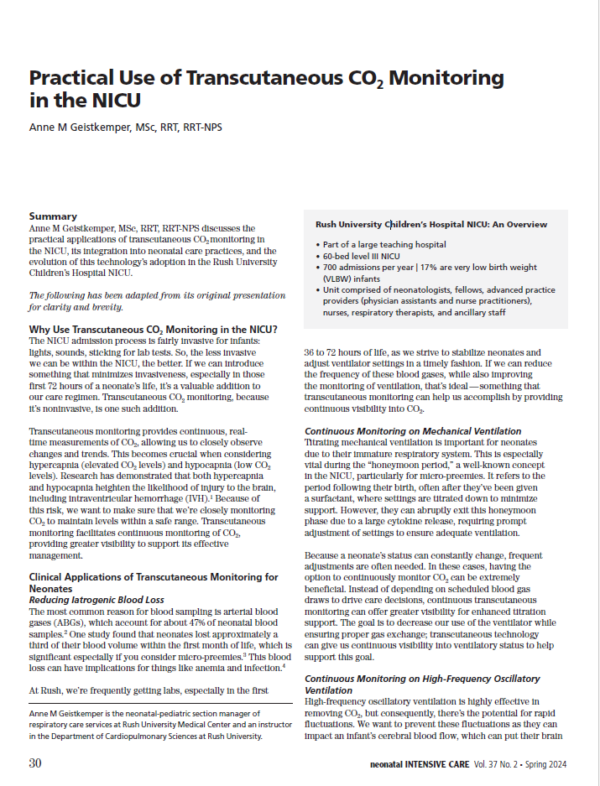
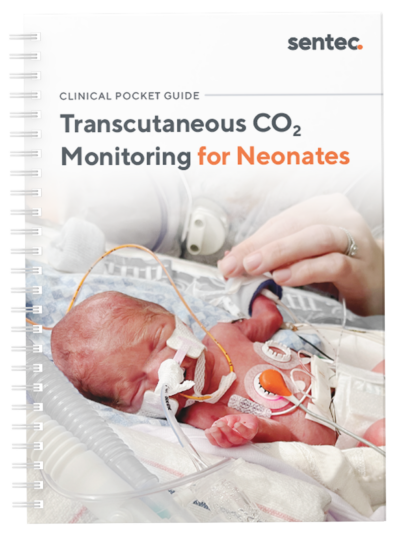
Authored by Anne M. Geistkemper, MSc, RRT, RRT-NPS and a team of neonatal and respiratory care professionals, this guide serves as a comprehensive resource for understanding the clinical use cases  — and optimizing your use — of transcutaneous CO2 monitoring in the NICU.

Pain and the Neonatal Brain 

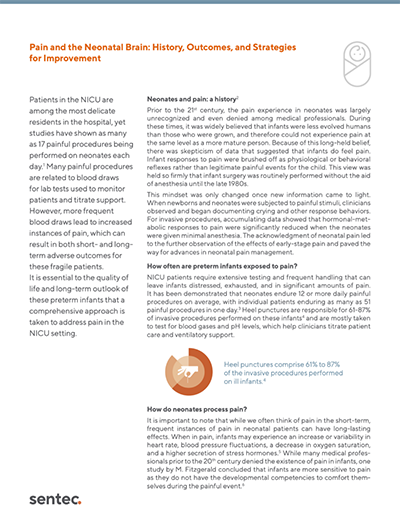
The adoption of transcutaneous CO2 monitoring can assist NICUs in minimizing the necessity for frequent blood draws, a painful procedure for infants in the NICU. But why is this so important? Learn about the short- and long-term effects of neonatal pain.

Related Posts

  • Why Contact Gel Is Essential for Accurate Transcutaneous Monitoring

    Proper Contact Gel use is critical to reliable transcutaneous CO₂ monitoring. Learn how it improves accuracy, protects membranes, and supports NICU workflows.

  • Whitepaper

    Q&A with the NICU team who built a pain-reducing QI

    This interview with the NICU team at Woman's Hospital answers how they built a plan to lower blood gas draws, with transcutaneous monitoring, standardized protocols, and create staff-led care improvements.

  • Product Spotlight

    Accurate transcutaneous CO2 monitoring for agile respiratory care teams

    Explore how transcutaneous CO₂ monitoring delivers noninvasive, real-time insights to support better outcomes for both clinicians and patients.