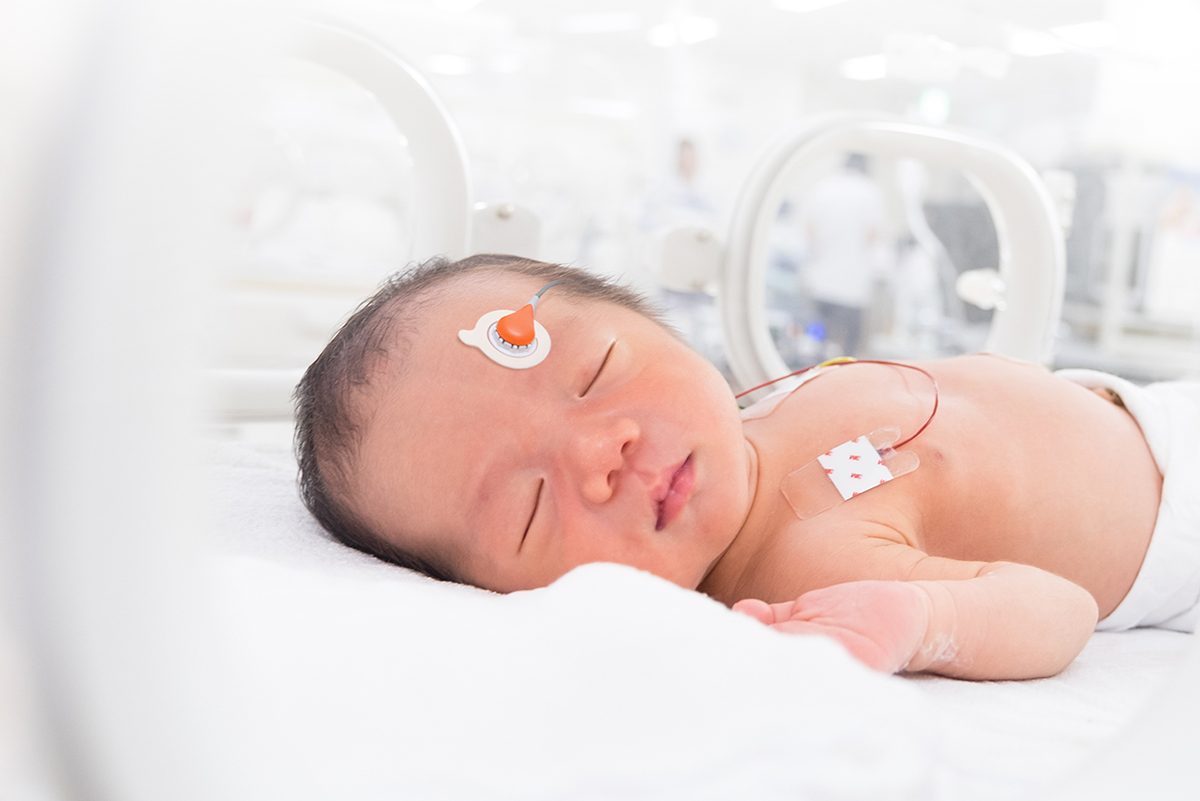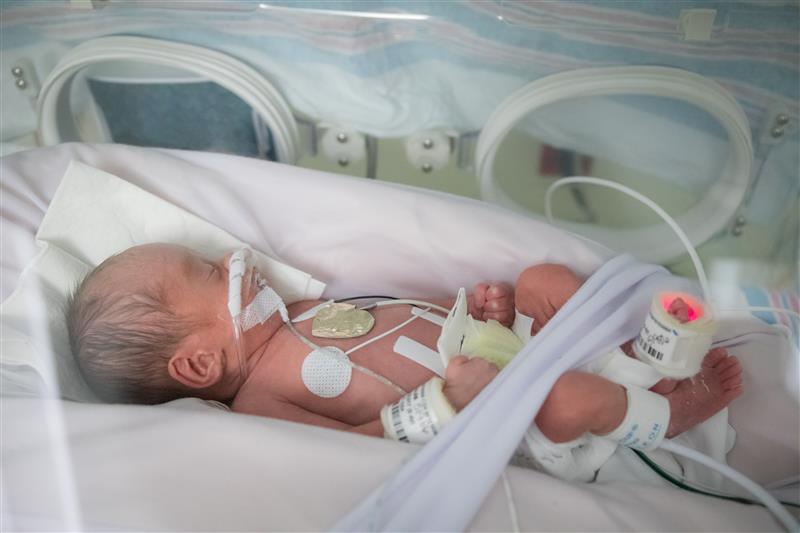
How One NICU Cut Blood Gas Draws by 50%—and Built Clinical Trust in Transcutaneous CO₂ Monitoring

In the Fall 2025 issue of Neonatal Intensive Care, the NICU team at Woman’s Hospital shares how they reintroduced transcutaneous CO₂ monitoring (tcPCO₂) as part of a broader harm-reduction initiative, reducing invasive blood gas draws by half while improving care for extremely premature infants.

Plan. Do. Study. Act.

"You plan out the change you're going to make—for us, that was to implement monitors on all of our babies—then we wrote out the process and did it. We collected data. We studied it. If we found that parts of the protocol were not being followed, we'd go back, meet, make a decision and ask: 'What can we do about that?' And then we'd make the change; we'd act. You can do that with any process." 

– Mark Schorr, RRT, Woman's Hospital  
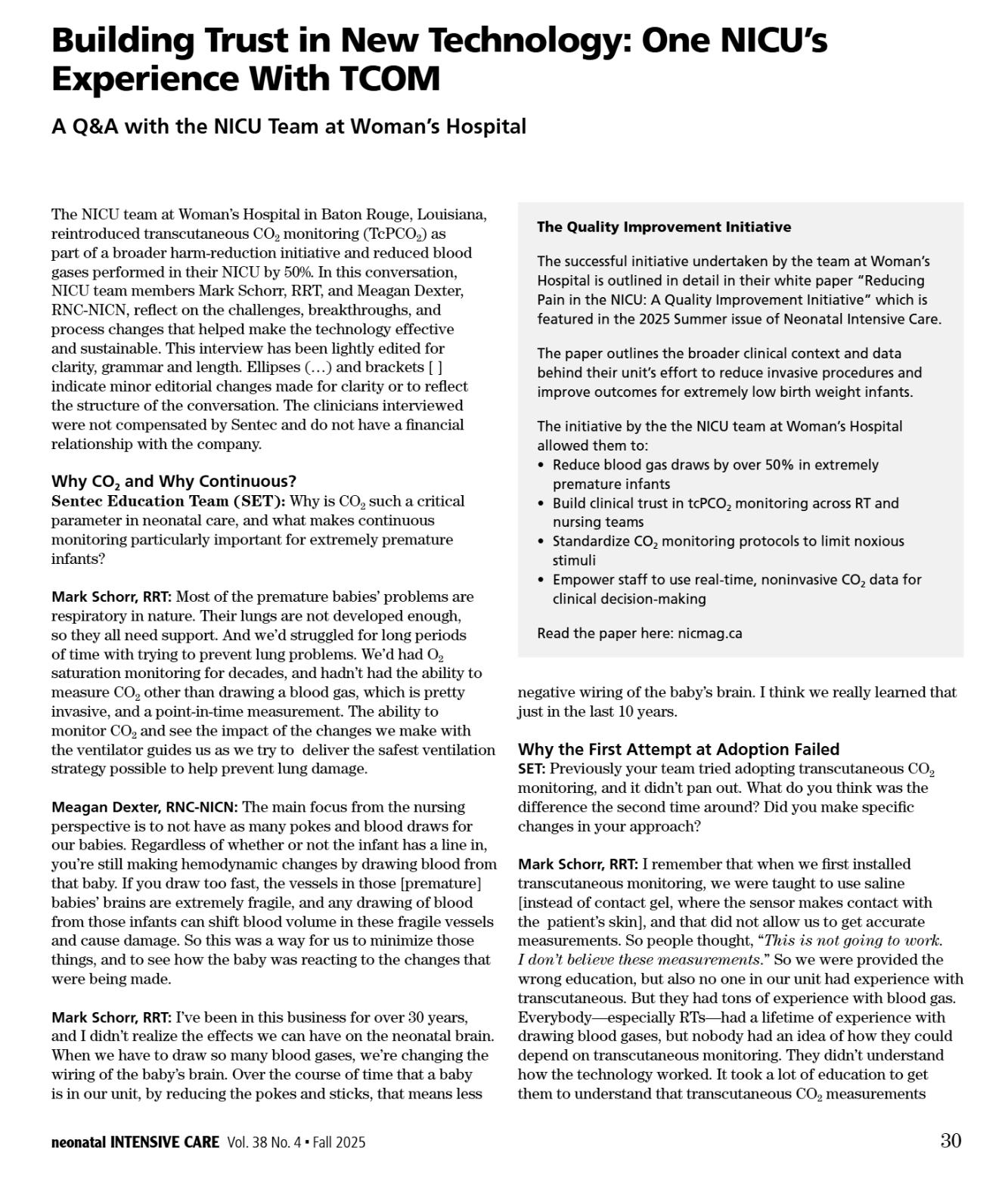
This in-depth Q&A and quality improvement report highlights:

  • Why continuous CO₂ monitoring matters for fragile neonatal patients
  • The lessons learned from a first failed attempt at adoption—and how they successfully tried again
  • How multidisciplinary collaboration between RTs and nurses created a more cohesive, less harmful care environment
  • Steps they took to develop protocols, overcome resistance, and make sustainable change 

  • Their 50% reduction in blood gas draws—and what that means for the future of neonatal care 

Meet the tCOM+

Developed with care, designed for confidence.

The tCOM+ offers continuous monitoring of tcPCO2, SpO2, and PR with a sleek new look and feel. This latest model includes significant software advances that improve workflow for providers, while continuing to support reduced blood draws and proactive ventilator management across care areas.
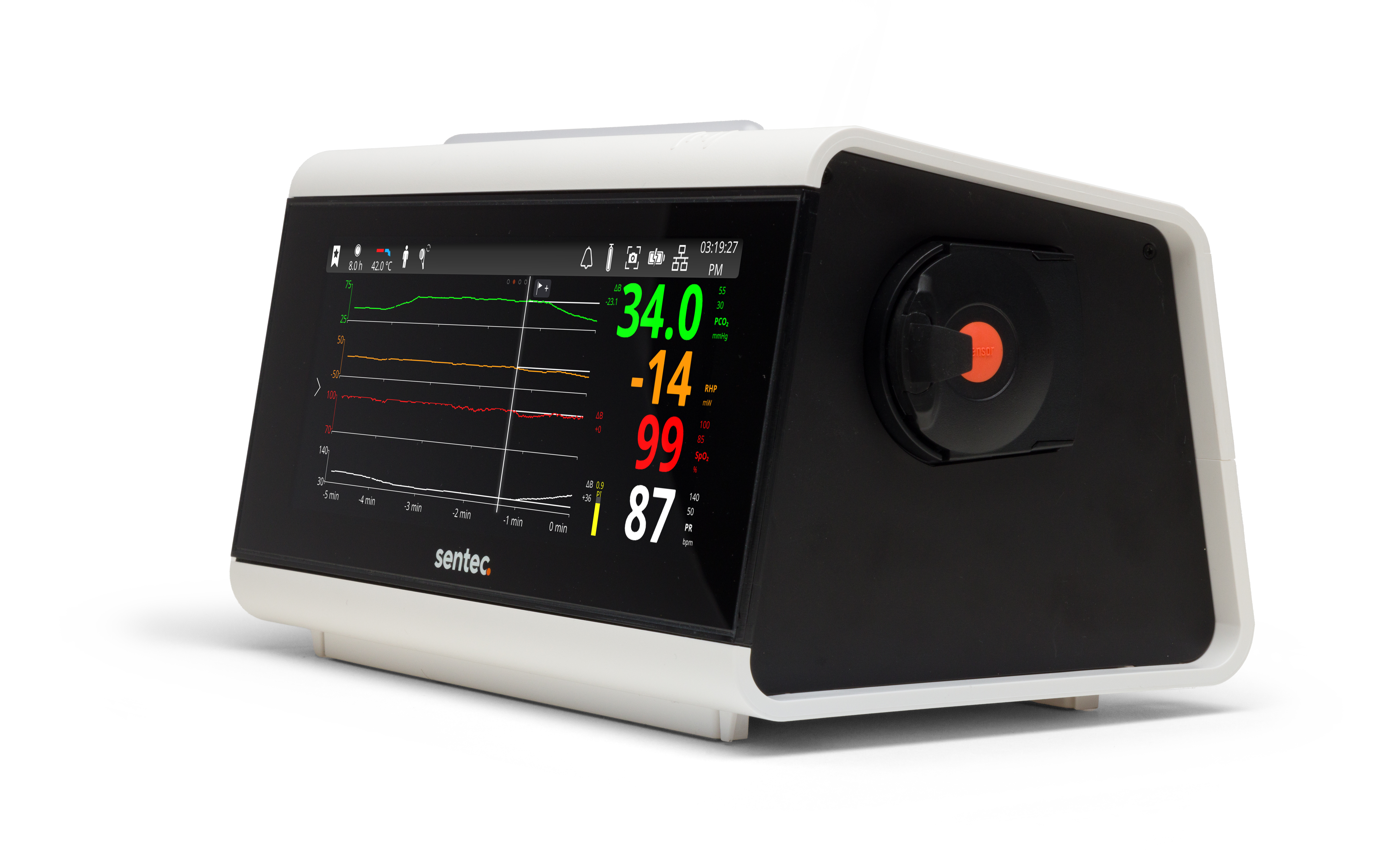
tCOM-device-angled

Stay up-to-date with Sentec


Related Posts

  • Sentec Article

    Carbon Dioxide (CO2) Monitoring in the Sleep Lab

    Explore the importance of CO₂ monitoring in the sleep lab, including methods like transcutaneous and end-tidal monitoring, to better detect ventilation issues and improve outcomes in patients with sleep-disordered breathing.

  • Sentec Article

    CO2 Levels in Neonates

    Learn why CO₂ levels matter in neonates, the risks of hypo- and hypercapnia, and how CO₂ monitoring guides safe, effective respiratory support in the NICU.

  • Why Contact Gel Is Essential for Accurate Transcutaneous Monitoring

    Proper Contact Gel use is critical to reliable transcutaneous CO₂ monitoring. Learn how it improves accuracy, protects membranes, and supports NICU workflows.