
Transcutaneous CO2 monitoring in Children’s Hospitals
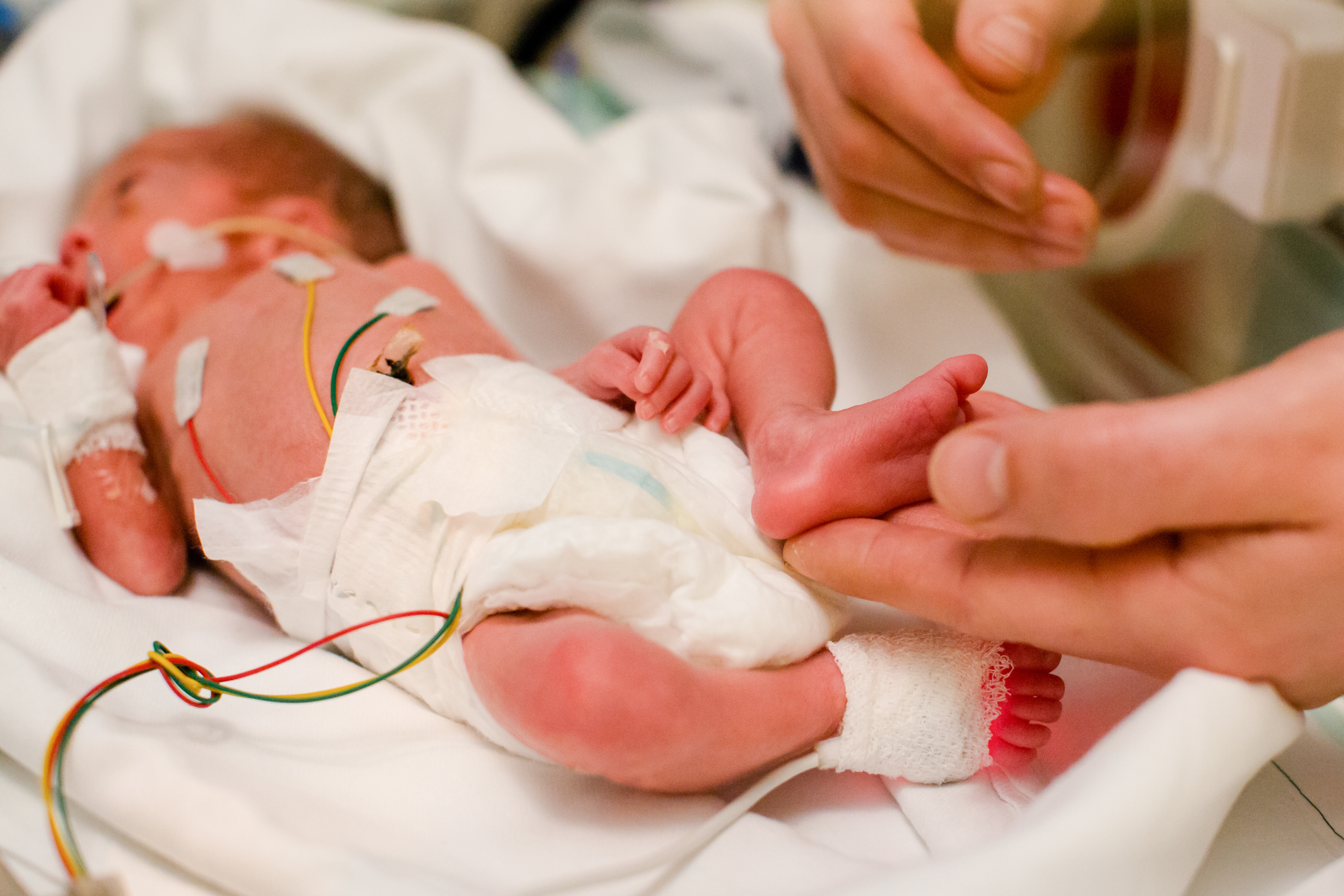
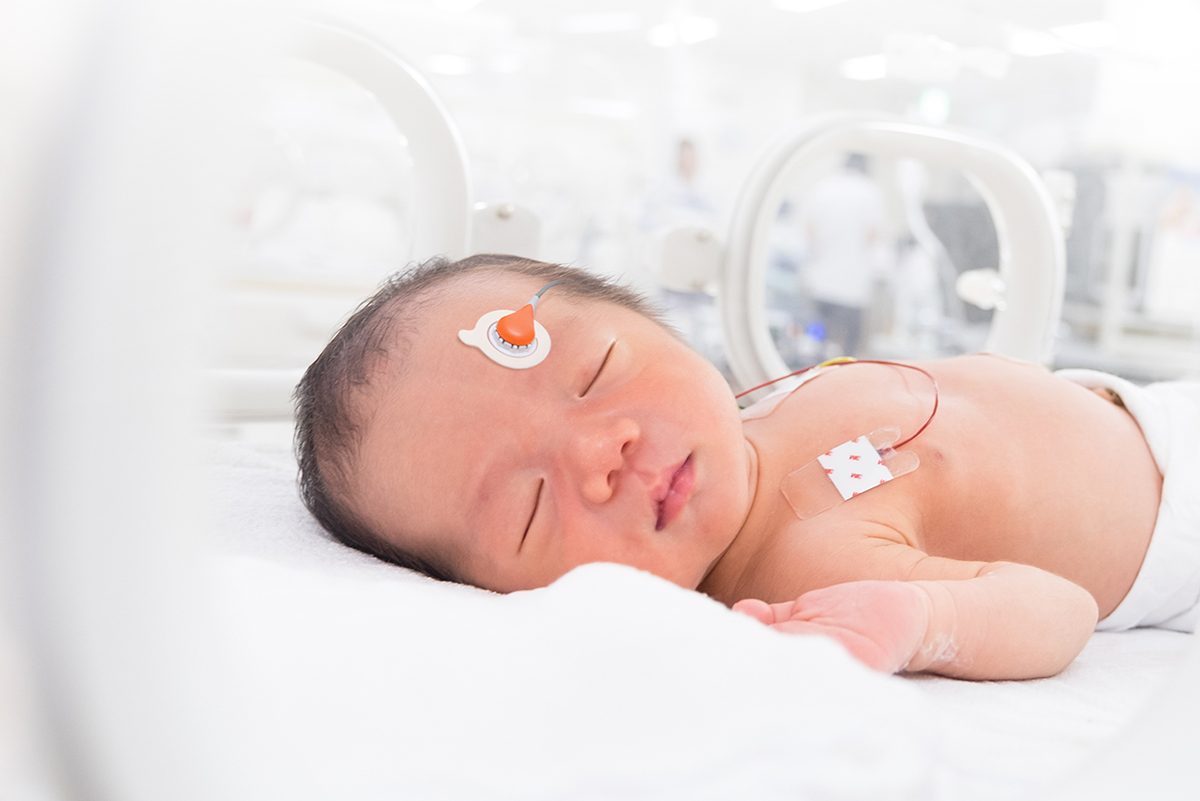
Transcutaneous CO2 monitoring (tcPCO2) is considered by many neonatal teams to be standard of care in the NICU for intubated patients – but many children’s hospitals utilize this technology across many more patient types and care settings.
Use cases for continuous, noninvasive CO2 monitoring occur in the PICU, sleep lab, operating room, delivery room, and even hospital transport. This document explores tcPCO2 in these and other clinical settings, demonstrating the impact that this technology can have throughout a children’s hospital.
To read the full scope of applications, complete the form on this page.
To download the literature review, please fill out the form below: