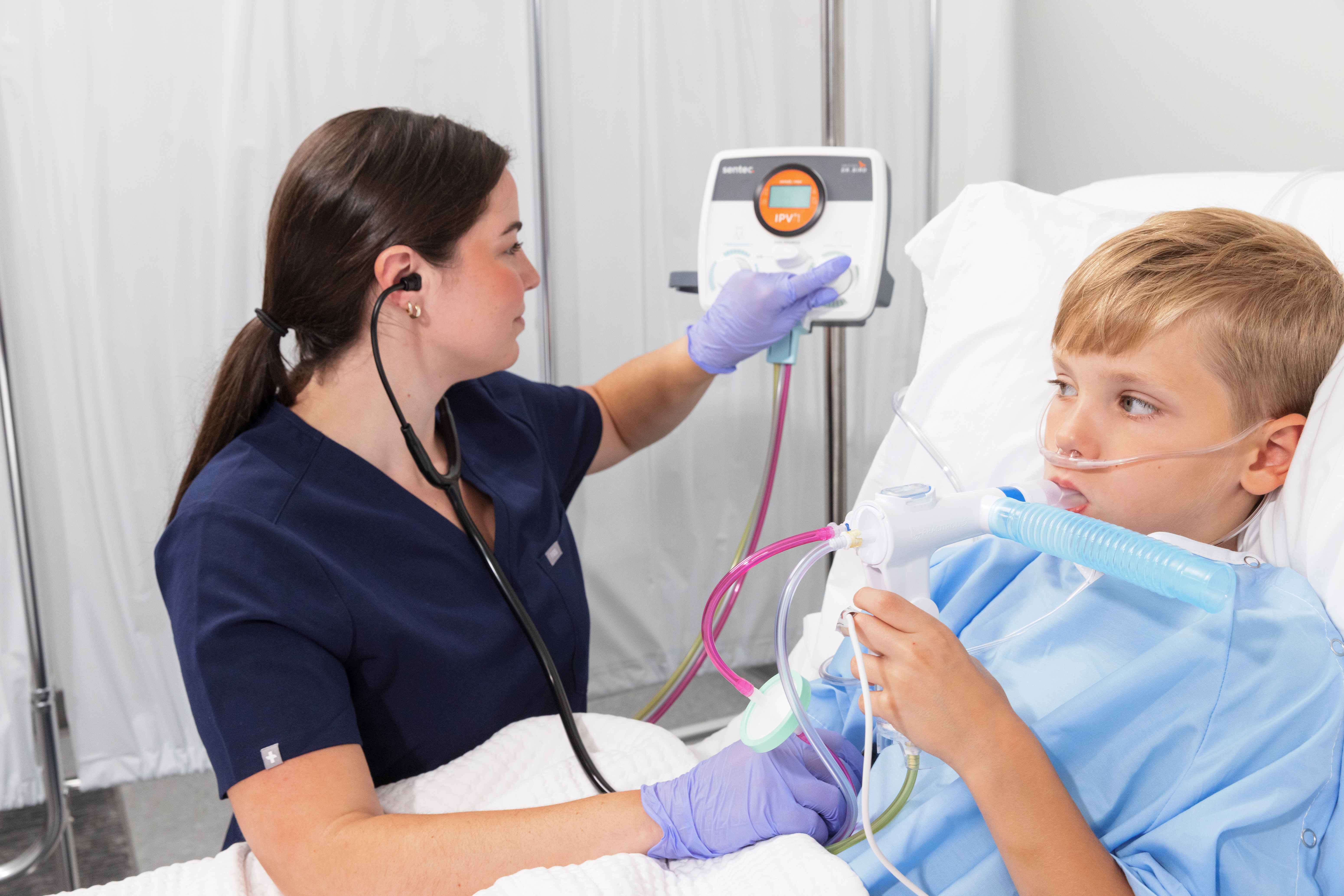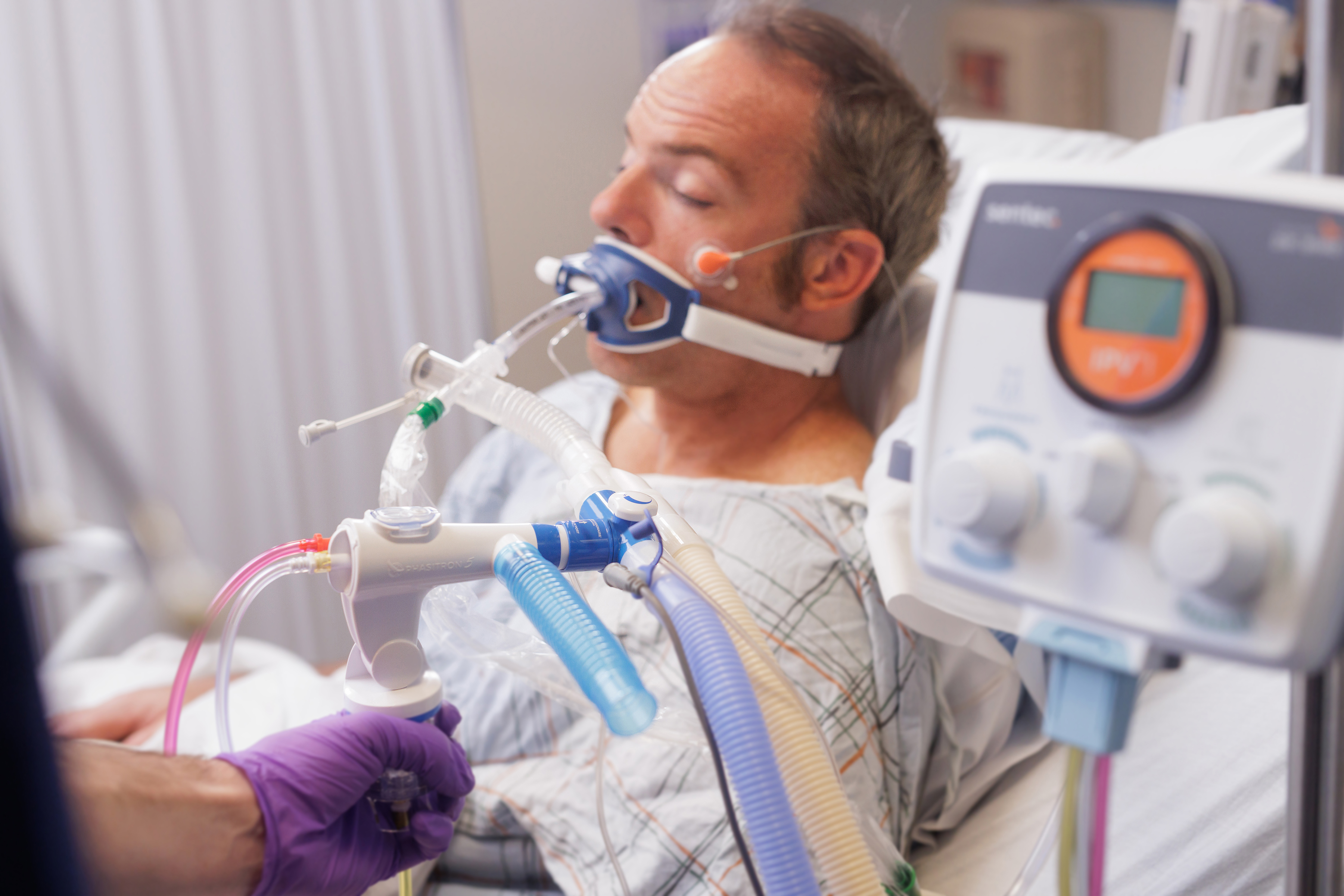

Intrapulmonary percussive ventilation (IPV) therapy is an airway clearance therapy that can prevent worsening exacerbations¹ and support easier breathing² for individuals with chronic obstructive pulmonary disease (COPD).
WHY AIRWAY CLEARANCE THERAPY?
Secretions can fuel COPD flare-ups and make breathing even more difficult.
For individuals with COPD, repeated flare‑ups and impaired lung function don’t just hinder daily life — they can speed disease progression. Retained secretions compound these challenges and often play a central role in poor outcomes.
How secretions affect the lungs:
- Promoting infections: Accumulated secretions create an ideal environment for bacteria to thrive, increasing the risk of infections and triggering flare-ups.³
- Adding to airway obstruction: Retained secretions and mucus plugs can limit airflow, making breathing even more difficult for individuals with COPD, whose airways are already narrowed by inflammation.
Although often overlooked in COPD management, secretions are consistently linked to poorer outcomes, including:
- Increased risk of exacerbations: An 11-year follow-up study found chronic mucus hypersecretion to be a predictor of hospitalizations in COPD patients.4
- Higher mortality: Research shows a clear link between mucus and risk of death — mortality was 34.0% in patients without mucus plugs, 46.7% in those with plugs in 1–2 lung segments, and 54.1% in patients with plugs in three or more segments.5
- Accelerated lung function decline: In one study, the presence of cough and phlegm was associated with a faster decrease in FEV₁.6
Targeted Treatment with IPV Therapy
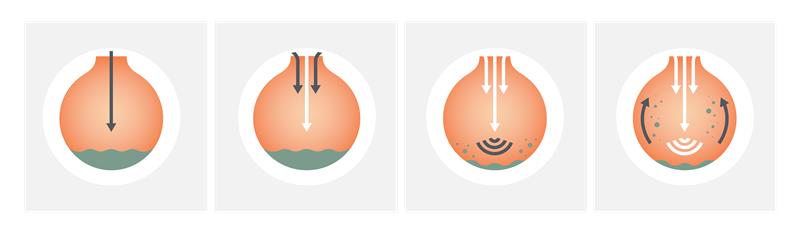
IPV therapy offers individuals with COPD an effective, all-in-one approach to clearing airway secretions. It works by:
- Delivering high-velocity pulses that reach distal airways beyond obstructions
- Generating internal percussions to loosen and break up secretions and mucus plugs
- Encouraging strong expiratory flow to mobilize secretions outward
Results Patients Can Feel
Improved COPD Symptoms
In a study of 60 patients with severe COPD, IPV therapy significantly improved patient-reported scores on the Breathlessness, Cough and Sputum Scale (BCSS) — and outperformed both chest physiotherapy (CPT) and high-frequency chest wall oscillation (HFCWO).²
Easier Breathing
In a study of 25 extubated COPD patients with EFL, IPV therapy “led to a significant improvement” in expiratory flow limitations — a condition closely linked to air trapping and a major contributor to dyspnea, the breathing discomfort commonly experienced in COPD.¹
Better Outcomes
In a study of 33 patients with COPD exacerbations, those treated with IPV therapy were less likely to require noninvasive ventilation (NIV) and spent 14% less time in the hospital.¹
From Hospital to Home
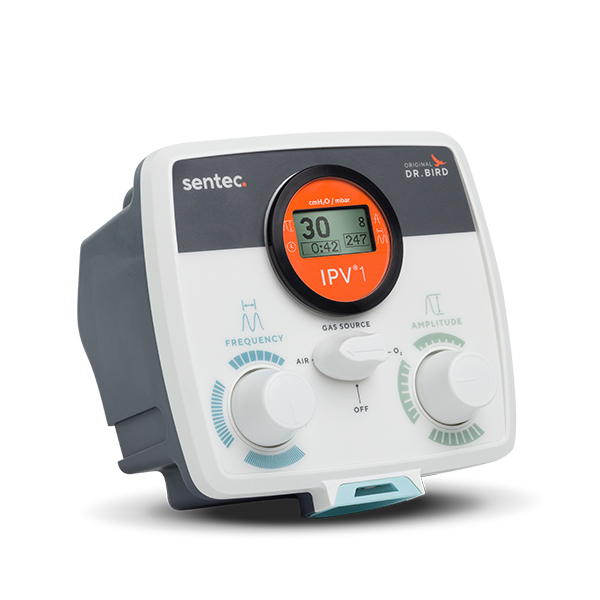
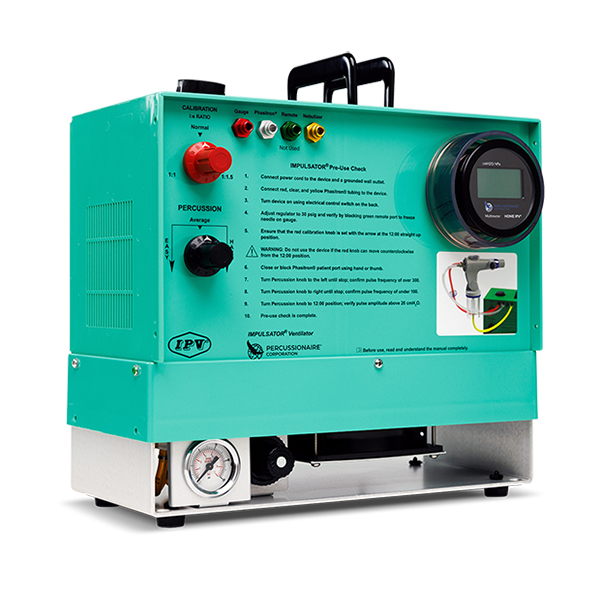
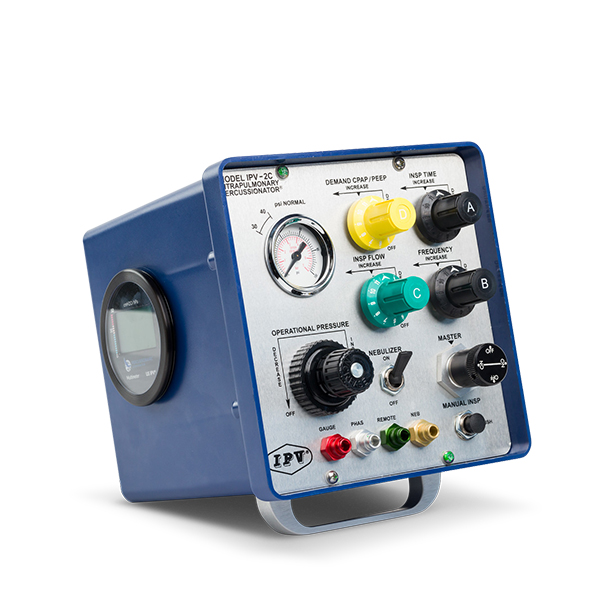
Sentec IPV® Therapy devices continue the legacy of safe, versatile, and effective IPV® therapy, established by Percussionaire, leveraging the unique efficacy of the Phasitron for patients with a variety of respiratory conditions. A range of IPV® therapy devices feature customizable settings, allowing healthcare providers to tailor treatment for patient comfort and treatment goals.
References:
- Vargas, F., et al. Effect of intrapulmonary percussive ventilation on expiratory flow limitation in chronic obstructive pulmonary disease patients. J Crit Care. 2009.
- Nicolini, A., et al. Comparison of Intrapulmonary Percussive Ventilation and High Frequency Chest Wall Oscillation in Patients With Severe Chronic Obstructive Pulmonary Disease. Pulmonary Rehabilitation. 2014.
- Fahy, J.V., Dickey, B.F. Airway mucus function and dysfunction. N Engl J Med. 2010.
- Vestbo, J., et al. Association of chronic mucus hypersecretion with FEV1 decline and chronic obstructive pulmonary disease morbidity. Am J Respir Crit Care Med. 1996.
- Diaz, A.A., et al. Airway-Occluding Mucus Plugs and Mortality in Patients With Chronic Obstructive Pulmonary Disease. JAMA. 2023.
- Sherman, C.B., et al. Longitudinal lung function decline in subjects with respiratory symptoms. Am Rev Respir Dis. 1992.