

MENU

Clinical Impact Summary
Electrical Impedance Tomography in the NICU: Clinical Utility & Impact
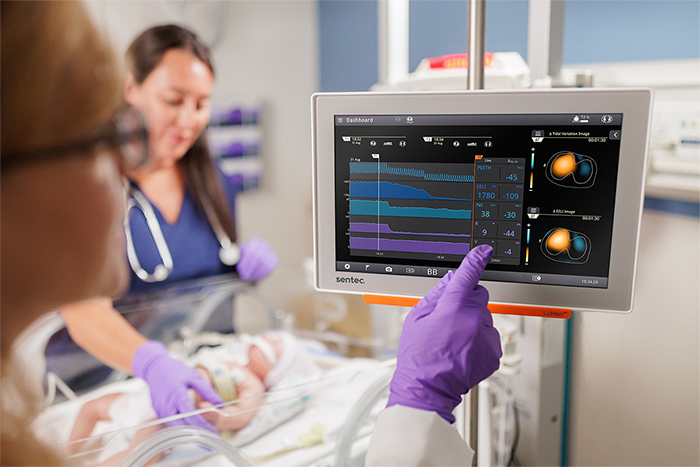
Discover how LuMon™ EIT provides real-time regional ventilation monitoring in the NICU to support lung recruitment, weaning, and proactive respiratory care.

Whitepaper
Q&A with the NICU team who built a pain-reducing QI
This interview with the NICU team at Woman's Hospital answers how they built a plan to lower blood gas draws, with transcutaneous monitoring, standardized protocols, and create staff-led care improvements.

Clinical Resource
Electrical Impedance Tomography (EIT) in Neonatal Respiratory Care: Curated Bibliography
Peer-reviewed studies on EIT in neonatal ventilation—covering validation, therapies, personalized care, weaning, delivery room use, and guidelines.
Clinical Resource
Electrical Impedance Tomography (EIT) in Adult Respiratory Care: Curated Bibliography
Peer-reviewed studies on EIT in ventilation—covering validation, therapies, personalized care, weaning, delivery room use, and guidelines.

Sentec Article
The Power of QIs: 5 Quality Improvement Projects Making a Difference for Patients
Quality improvement projects are driving change in healthcare. This issue spotlights five impactful initiatives improving safety, efficiency, and care delivery.
Whitepaper
Reducing Pain in the NICU: A Quality Improvement Initiative
Discover how Woman’s Hospital cut blood gas draws by 50% using transcutaneous CO₂ monitoring, standardized protocols, and staff-led care improvements.

Evidence Summary
Restoring Gas Exchange Capacity with Intrapulmonary Percussive Ventilation (IPV) Therapy
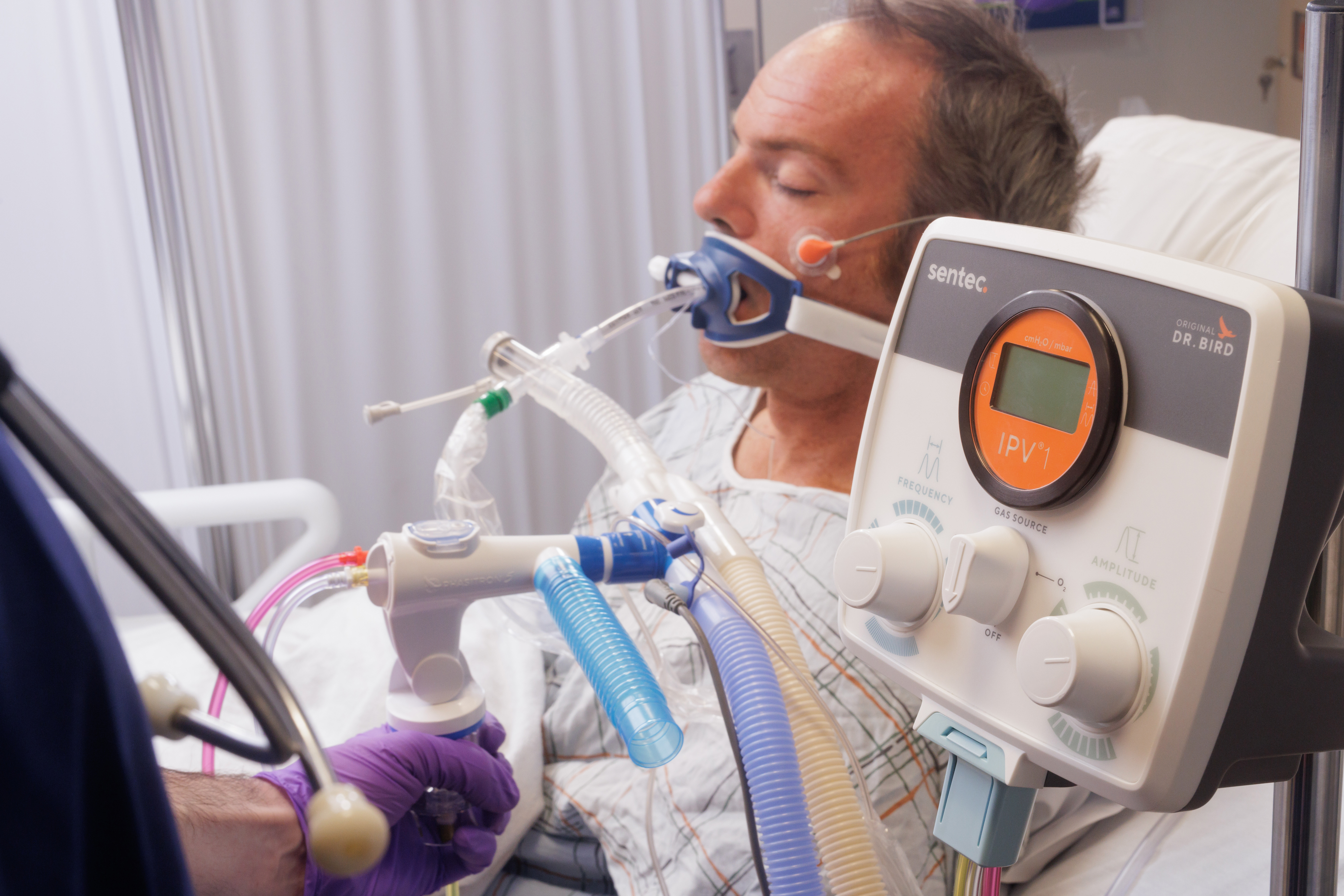
The IPV Therapy Clinical Evidence Brochure offers an overview of key clinical studies that highlight the efficacy and safety of intrapulmonary percussive ventilation (IPV) therapy across diverse patient populations.

Whitepaper
Pain and the Neonatal Brain: History, Outcomes, and Strategies for Improvement
Patients in the NICU are among the most delicate residents in the hospital, yet studies have shown as many as 17 painful procedures being performed on neonates each day. Many painful procedures are related to blood draws for lab tests used to monitor patients and titrate support.

Whitepaper
Reducing Blood Loss in the NICU
Blood draws for lab work are well-established as one of the main drivers of anemia of prematurity leading to a high rate of transfusion in the NICU. Learn more about the problem and how transcutaneous monitoring can be part of the solution.

Whitepaper
Practical Use of Transcutaneous CO2 Monitoring in the NICU
In this article, Anne M. Geistkemper, MSc, RRT, RRT-NPS discusses the practical applications of transcutaneous CO2 monitoring in the NICU, its integration into neonatal care practices, and the evolution of this technology’s adoption in the Rush University Children’s Hospital NICU.