


MENU
 Clinical Resource
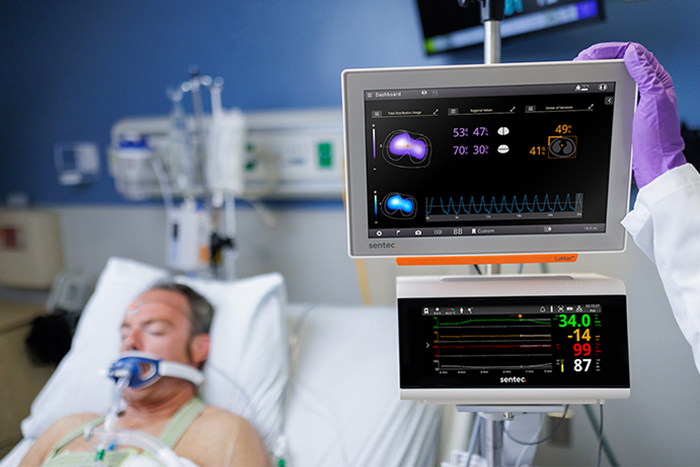
Electrical Impedance Tomography (EIT) in Adult Respiratory Care: Curated Bibliography
Peer-reviewed studies on EIT in ventilation—covering validation, therapies, personalized care, weaning, delivery room use, and guidelines.
 Product Spotlight
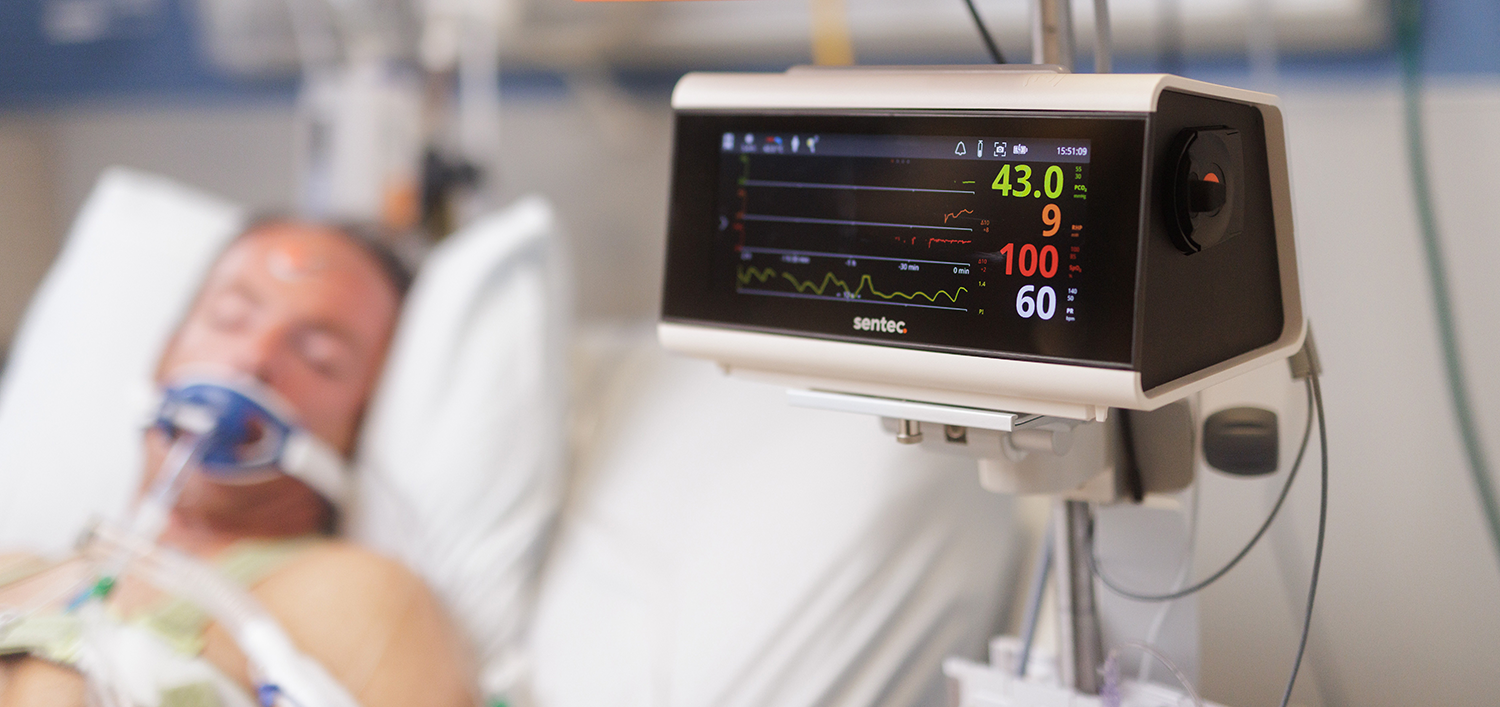
Accurate transcutaneous CO2 monitoring for agile respiratory care teams
Explore how transcutaneous CO₂ monitoring delivers noninvasive, real-time insights to support better outcomes for both clinicians and patients.
 Whitepaper
Transcutaneous CO2 Monitoring in Routine and Advanced Pediatric Sleep Studies
Lisa DeGuzman, RRT-NPS, RPSGT, CCSH discusses the role of transcutaneous CO2 monitoring in the Nemours Children’s Hospital Pediatric Sleep Center, highlighting its applications in detecting and guiding the management of sleep-disordered breathing among the pediatric population.
 Whitepaper
CO2 Monitoring in Patients with Ventilation Perfusion Mismatch
This whitepaper explores how ventilation perfusion (V/Q) mismatch may cause inaccuracies in end-tidal CO2 readings, why arterial blood gases are not an ideal solution for many patients, and why transcutaneous CO2 monitoring may be an alternative to consider.
 Clinical Impact Summary
Transcutaneous Monitoring in the Sleep Lab: Clinical Utility & Impact
Sentec transcutaneous technology overcomes limits of pulse oximetry, arterial blood draws and capnography with continuous CO2 monitoring that combines ease of use and patient comfort, with accurate values regardless of ventilation method or ventilation/perfusion (V/Q) mismatch, and product features designed for sleep care settings.
 Clinical Impact Summary
Transcutaneous Monitoring in the PICU: Clinical Impact & Utility
By overcoming the limitations of end-tidal CO2 and providing better compatibility with all modes of ventilation, transcutaneous CO2 monitoring helps clinicians assess patient condition and the efficacy of treatment and ventilatory support strategies.
 Whitepaper
Clinical Applications of Transcutaneous Monitoring for Children’s Hospitals
Transcutaneous CO2 monitoring (tcPCO2) is considered by many neonatal teams to be standard of care in the NICU for intubated patients – but many children’s hospitals utilize this technology across many more patient types and care settings. This document explores tcPCO2 in clinical settings, demonstrating the impact that this technology can have throughout a children’s hospital.
 Product Brochure
Continuous, Accurate CO2 Monitoring for the Sleep Lab
How could transcutaneous CO2 monitoring support your sleep lab team? Get an overview of this technology's role in patient care and explore the Sentec monitoring system designed for sleep.
 Product Spotlight
Attachment Solutions For Transcutaneous CO2 Monitoring
The Sentec suite of attachment options for transcutaneous CO2 monitoring allows care teams to confidently choose solutions that support the clinical priorities of each patient — across populations and care settings.
 Sentec Article
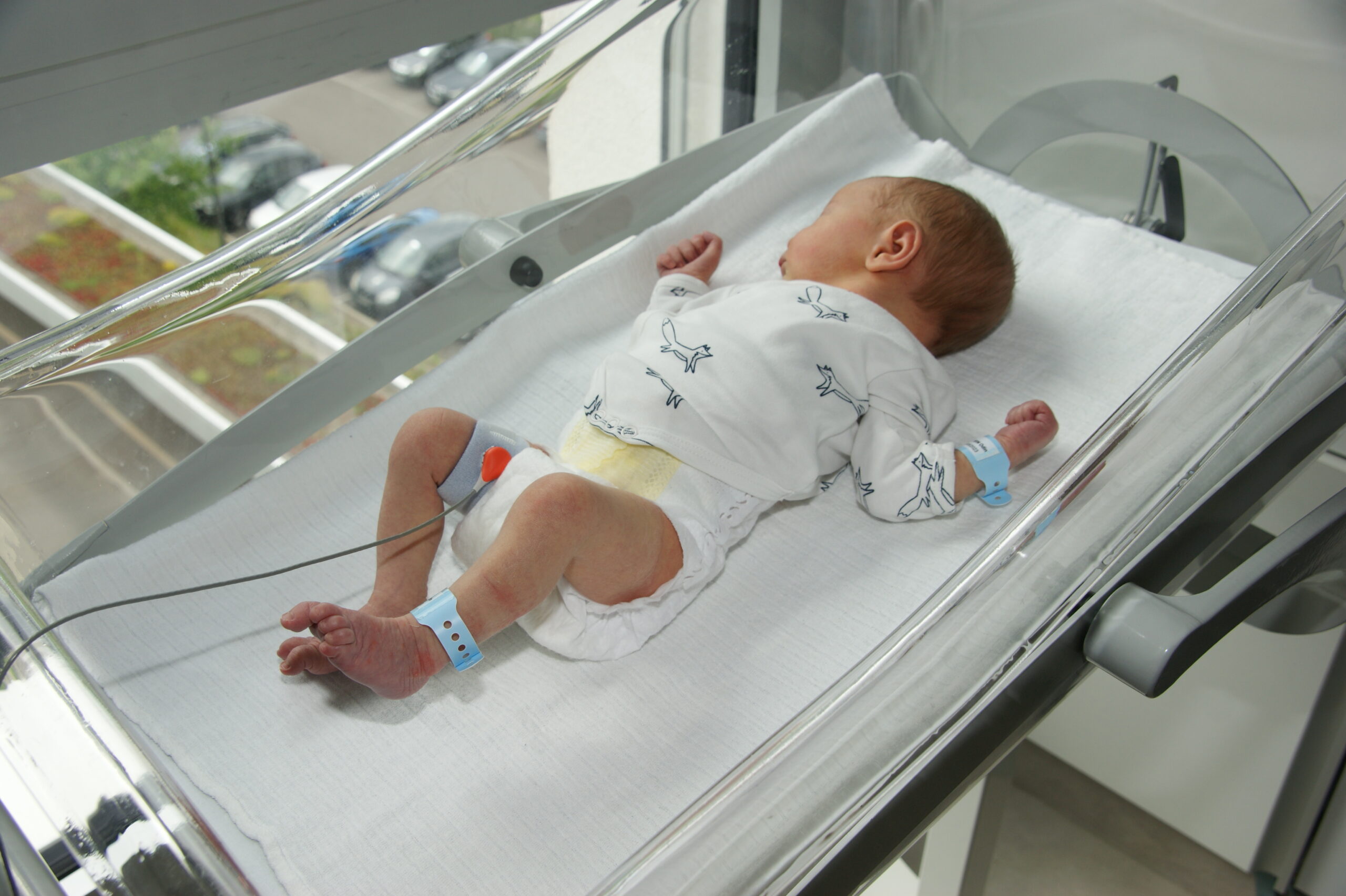
5 Keys to Success in Adopting Transcutaneous Monitoring
Learn more about how a level IV NICU team was recently successful in developing an all-encompassing strategy to drive consistent utilization of transcutaneous monitoring with the goal of improving patient care.