

MENU

Sentec Article
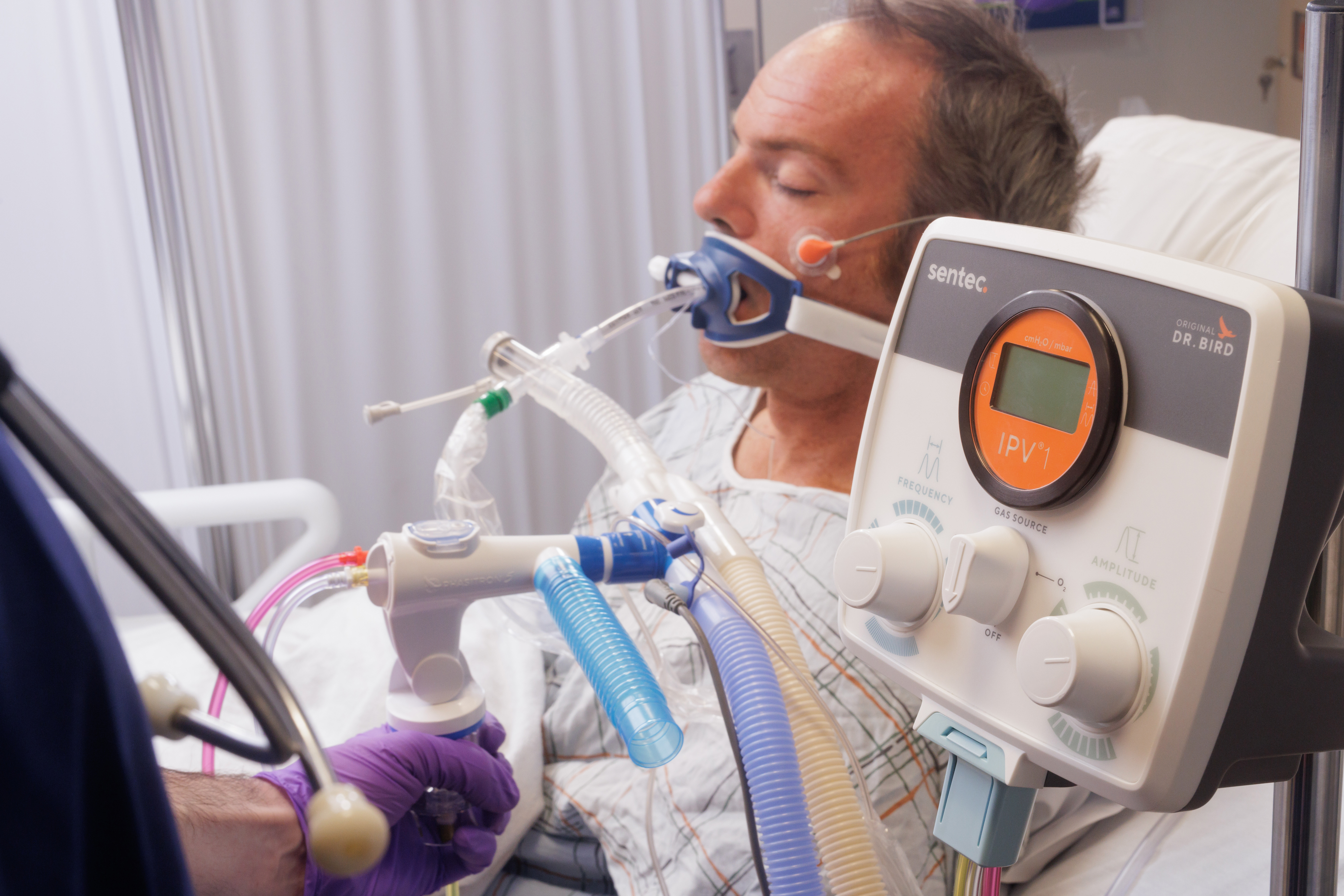
Carbon Dioxide (CO2) Monitoring in the Sleep Lab
Explore the importance of CO₂ monitoring in the sleep lab, including methods like transcutaneous and end-tidal monitoring, to better detect ventilation issues and improve outcomes in patients with sleep-disordered breathing.
Sentec Article
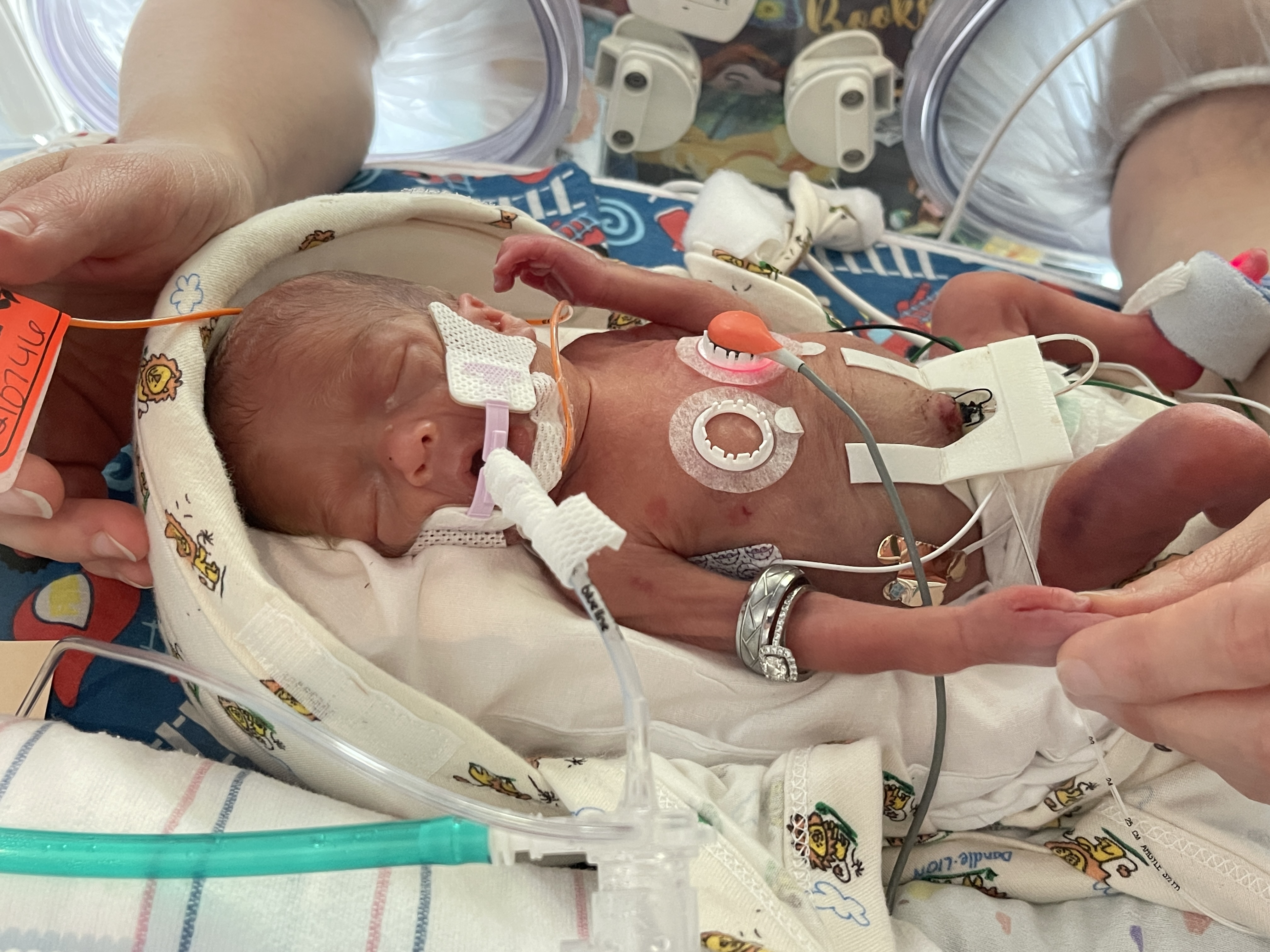
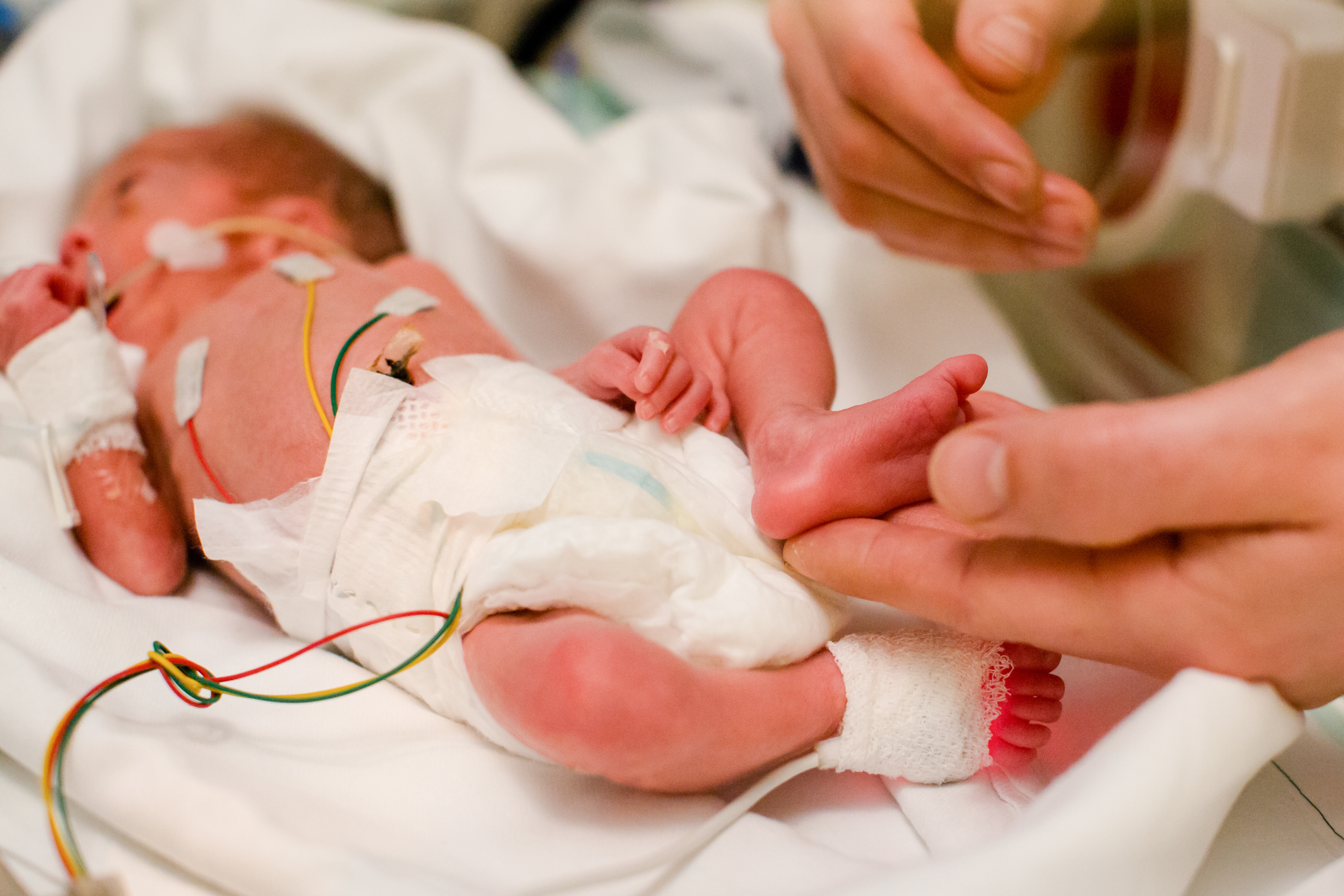
CO2 Levels in Neonates
Learn why CO₂ levels matter in neonates, the risks of hypo- and hypercapnia, and how CO₂ monitoring guides safe, effective respiratory support in the NICU.
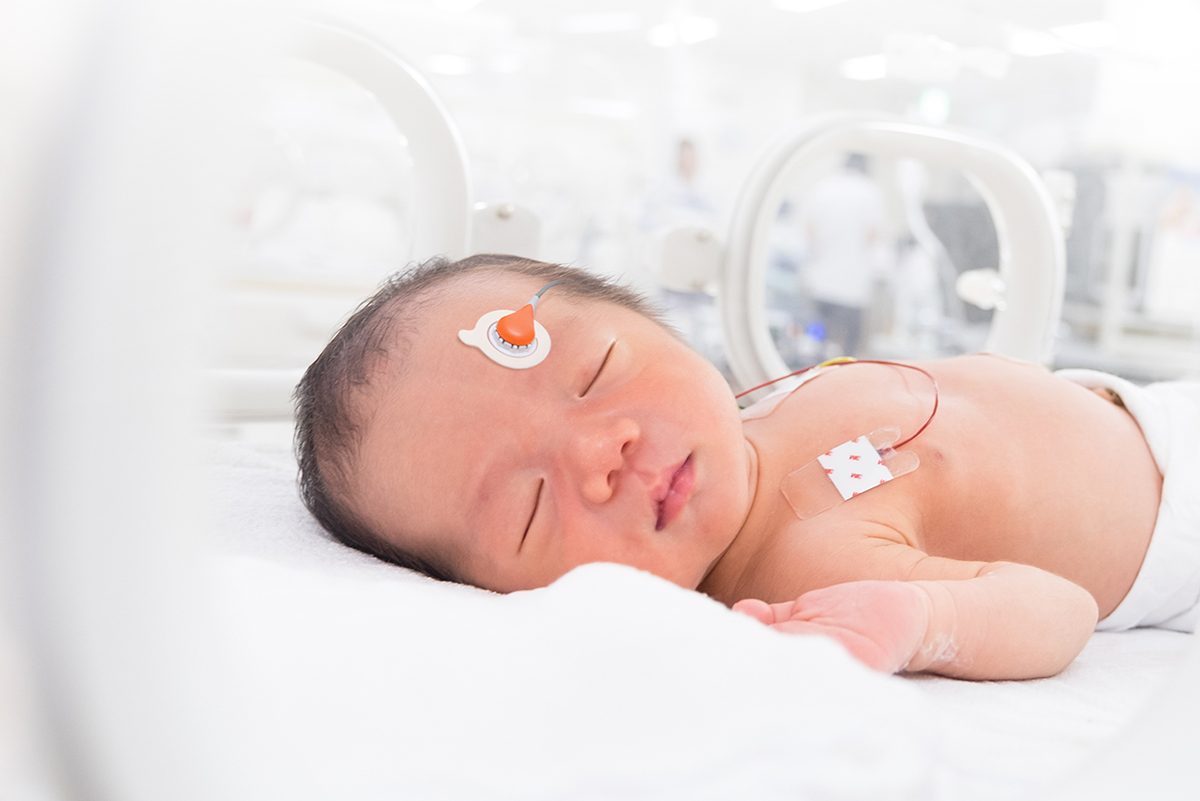
Why Contact Gel Is Essential for Accurate Transcutaneous Monitoring
Proper Contact Gel use is critical to reliable transcutaneous CO₂ monitoring. Learn how it improves accuracy, protects membranes, and supports NICU workflows.

Whitepaper
Q&A with the NICU team who built a pain-reducing QI
This interview with the NICU team at Woman's Hospital answers how they built a plan to lower blood gas draws, with transcutaneous monitoring, standardized protocols, and create staff-led care improvements.

Sentec Article
The Power of QIs: 5 Quality Improvement Projects Making a Difference for Patients
Quality improvement projects are driving change in healthcare. This issue spotlights five impactful initiatives improving safety, efficiency, and care delivery.
Whitepaper
Reducing Pain in the NICU: A Quality Improvement Initiative
Discover how Woman’s Hospital cut blood gas draws by 50% using transcutaneous CO₂ monitoring, standardized protocols, and staff-led care improvements.

Sentec Article
What is Kangaroo Care in the NICU?
Every aspect of neonatal care matters, from the sounds infants hear to their exposure to light. Kangaroo care, also known as kangaroo mother care or skin-to-skin contact, is a method of holding a newborn baby on the bare chest of the mother or father, with their skin in direct contact.

Patient Story
Ella’s Story with IPV Therapy
Ella lives with nemaline myopathy, a rare genetic disorder affecting approximately 1 in 50,000 births. This condition weakens the skeletal muscles responsible for movement, making everyday tasks like walking, speaking, swallowing, and even breathing uniquely challenging.

Sentec Article
How Transcutaneous CO2 Monitoring Can Help NICU Nurses Advocate for Patients
Continuous CO2 monitoring is a powerful tool that can help NICU nurses as they advocate for their tiny patients. Discover 4 ways it can help amplify your voice.

Evidence Summary
Restoring Gas Exchange Capacity with Intrapulmonary Percussive Ventilation (IPV) Therapy
The IPV Therapy Clinical Evidence Brochure offers an overview of key clinical studies that highlight the efficacy and safety of intrapulmonary percussive ventilation (IPV) therapy across diverse patient populations.