


MENU
 Whitepaper
Transcutaneous CO2 Monitoring in Routine and Advanced Pediatric Sleep Studies
Lisa DeGuzman, RRT-NPS, RPSGT, CCSH discusses the role of transcutaneous CO2 monitoring in the Nemours Children’s Hospital Pediatric Sleep Center, highlighting its applications in detecting and guiding the management of sleep-disordered breathing among the pediatric population.
 Whitepaper
Practical Use of Transcutaneous CO2 Monitoring in the NICU
In this article, Anne M. Geistkemper, MSc, RRT, RRT-NPS discusses the practical applications of transcutaneous CO2 monitoring in the NICU, its integration into neonatal care practices, and the evolution of this technology’s adoption in the Rush University Children’s Hospital NICU.
 Whitepaper
CO2 Monitoring in Patients with Ventilation Perfusion Mismatch
This whitepaper explores how ventilation perfusion (V/Q) mismatch may cause inaccuracies in end-tidal CO2 readings, why arterial blood gases are not an ideal solution for many patients, and why transcutaneous CO2 monitoring may be an alternative to consider.
 Whitepaper
Transcutaneous CO2 Monitoring for Earlier Interventions: Case Studies from the Children’s Memorial Hermann PICU
In this whitepaper, PICU specialists from Children’s Memorial Hermann share case studies demonstrating how continuous visibility provided by transcutaneous CO2 monitoring supported their team’s patient care strategies.
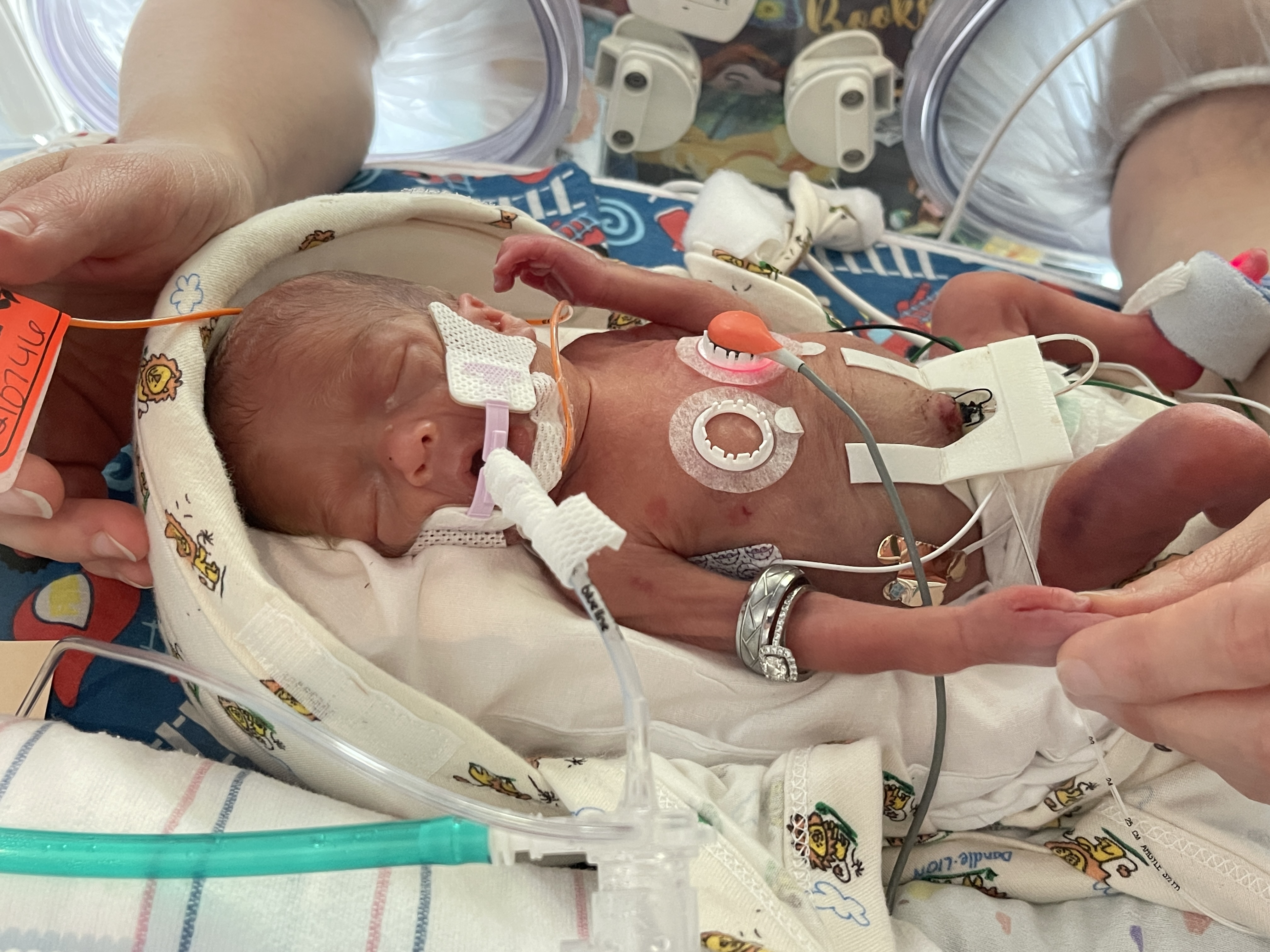 Clinical Pocket Guide
Transcutaneous CO2 Monitoring for Neonates
This clinical pocket guide serves as a comprehensive resource for healthcare professionals, particularly neonatal specialists seeking to harness the potential of transcutaneous CO2 monitoring in the care in the NICU.
 Clinical Pocket Guide
Neonatal CO2 Monitoring Resource Bundle
Hang these posters up in your unit for quick, simple references that make transcutaneous monitoring simple. This bundle offers six print-ready, at-a-glance resources for your team.
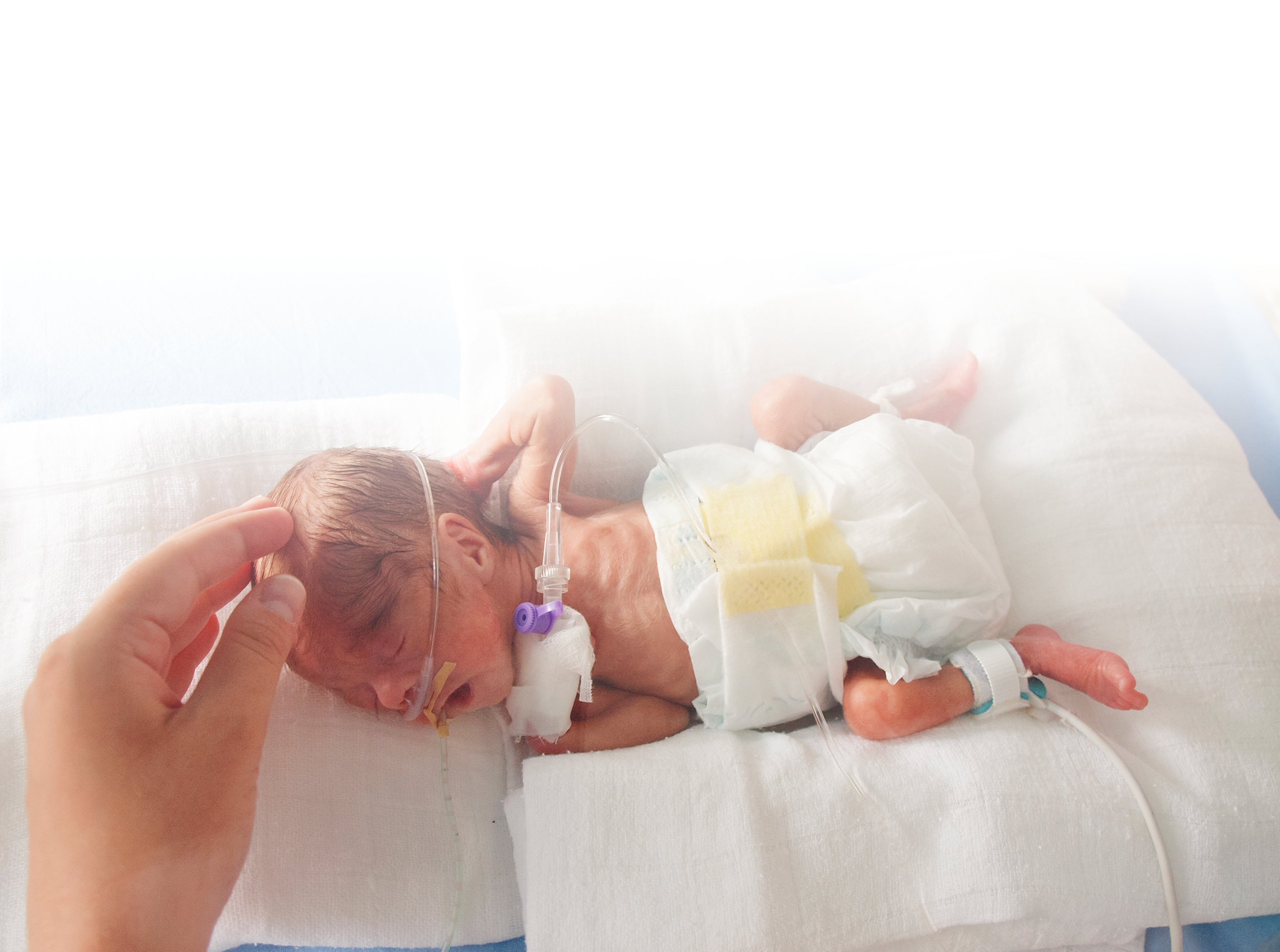 Whitepaper
Balancing Brain & Lung Protection in the NICU with Transcutaneous CO2 Monitoring
This whitepaper explores how clinicians balance protecting the fragile, developing brains and lungs of premature infants in the NICU. This process is a delicate tightrope walk in which CO2 plays a key role.
- Clinical Impact Summary
Transcutaneous Monitoring in the NICU: Clinical Utility & Impact
Sentec transcutaneous technology overcomes many of the current limitations and challenges associated with CO2 measurement in the NICU by providing accurate, continuous, noninvasive CO2 values regardless of ventilation method or V/Q mismatch.
 Clinical Impact Summary
Transcutaneous Monitoring in the Sleep Lab: Clinical Utility & Impact
Sentec transcutaneous technology overcomes limits of pulse oximetry, arterial blood draws and capnography with continuous CO2 monitoring that combines ease of use and patient comfort, with accurate values regardless of ventilation method or ventilation/perfusion (V/Q) mismatch, and product features designed for sleep care settings.
- Clinical Impact Summary
Transcutaneous Monitoring in the PICU: Clinical Impact & Utility
By overcoming the limitations of end-tidal CO2 and providing better compatibility with all modes of ventilation, transcutaneous CO2 monitoring helps clinicians assess patient condition and the efficacy of treatment and ventilatory support strategies.