

MENU
Product Spotlight
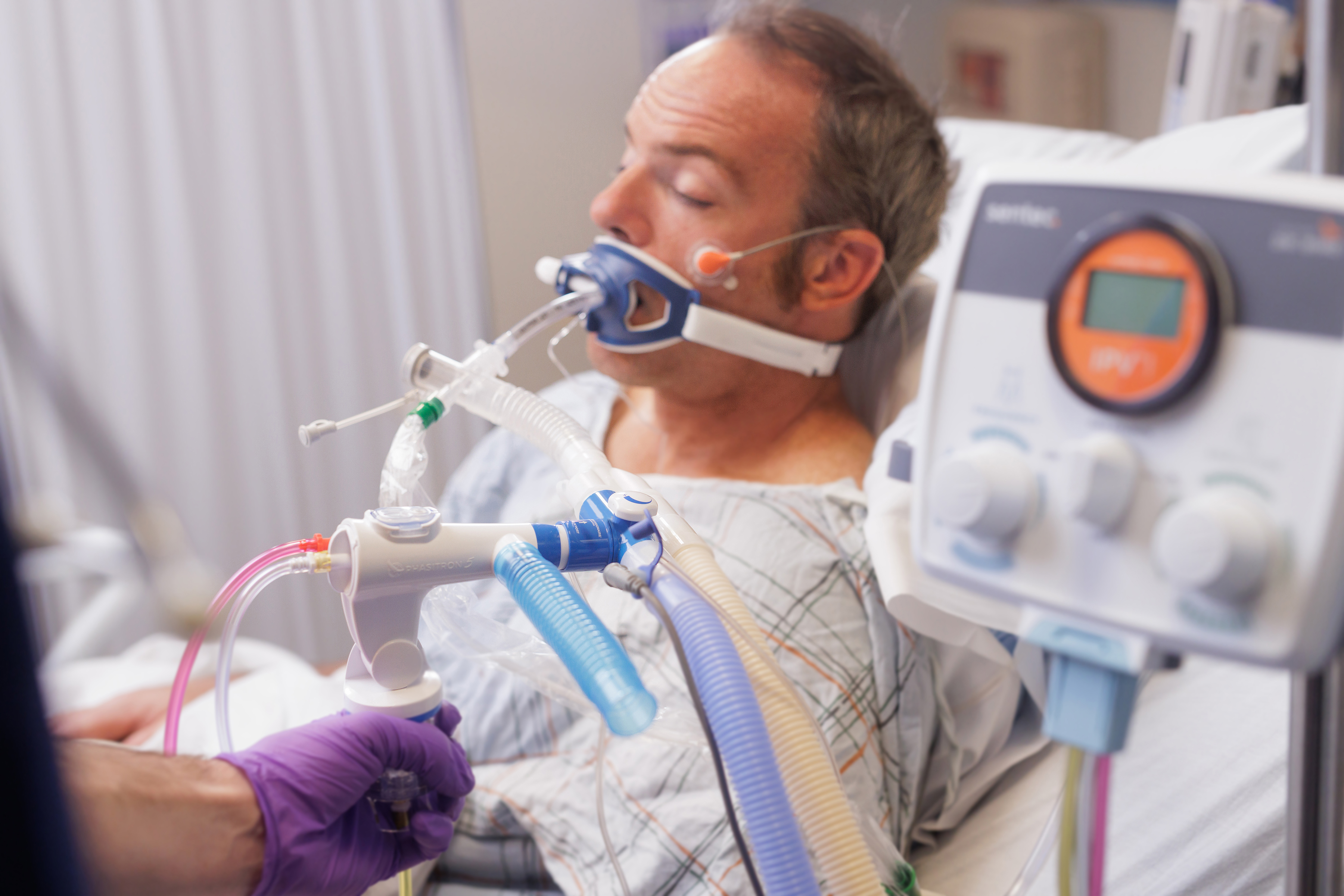
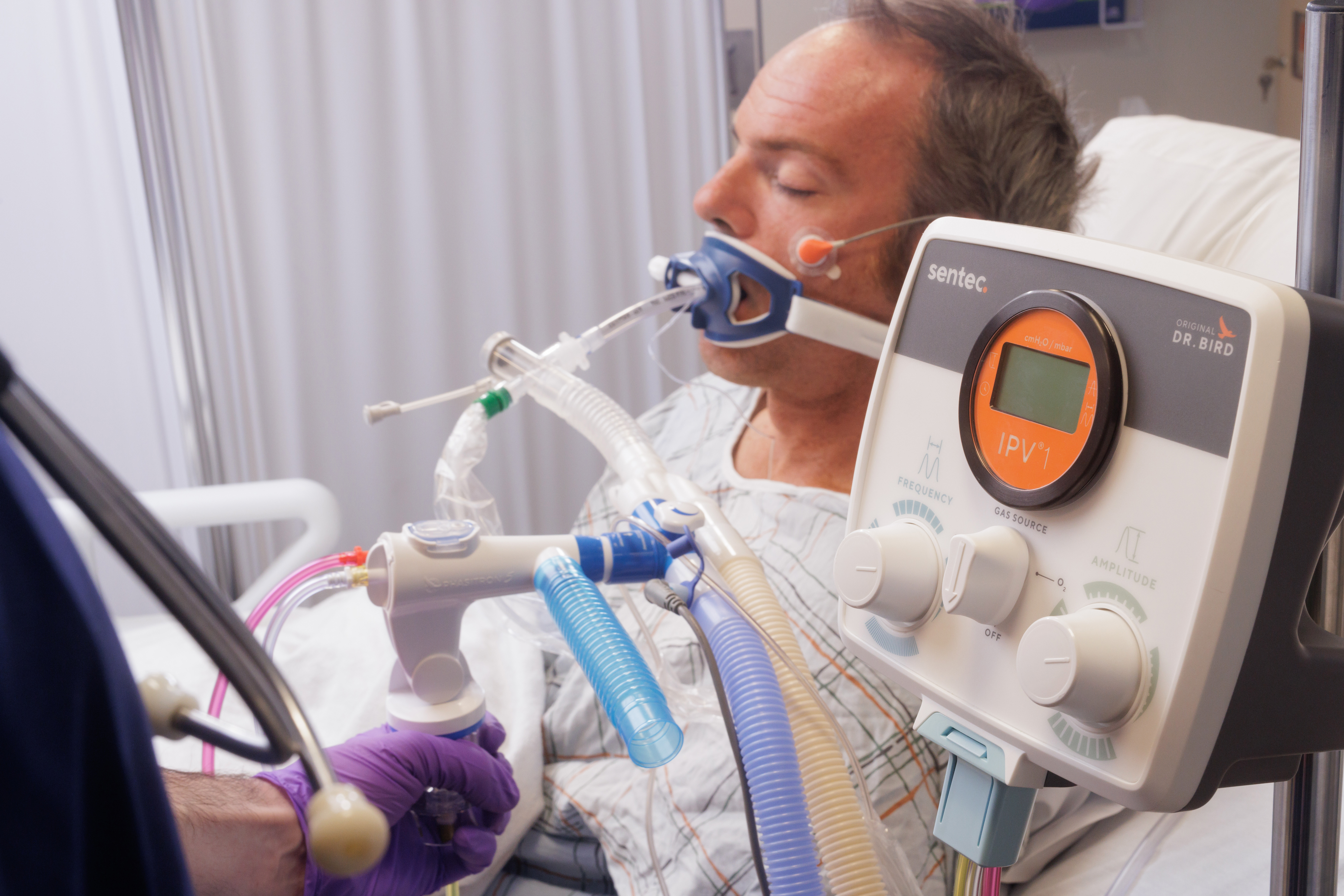
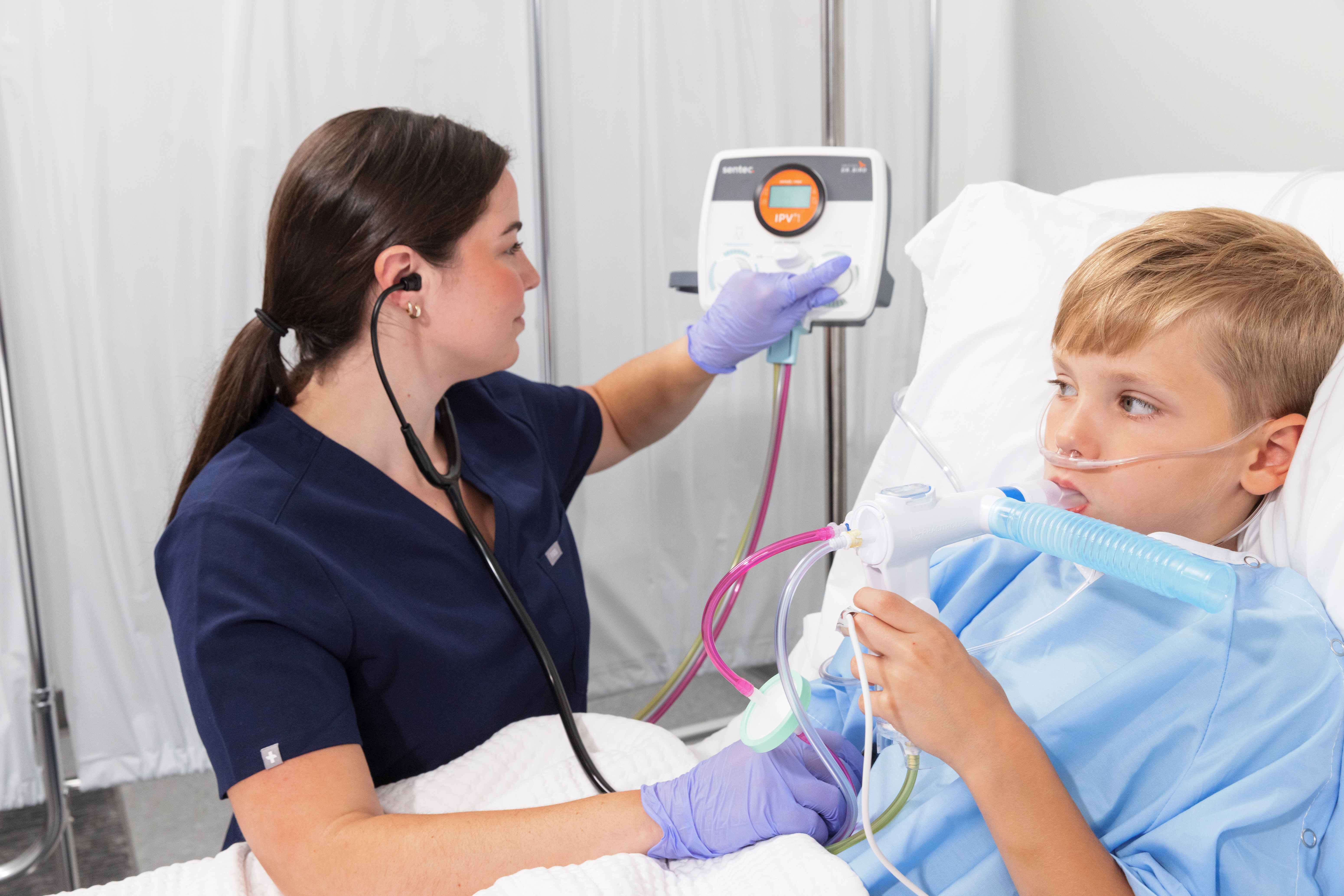
How Does Intrapulmonary Percussive Ventilation (IPV) Therapy Work?
Learn how IPV® Therapy works to mobilize secretions, recruit lungs, and improve airway clearance with percussive ventilation and the Phasitron®.

Sentec Article
Airway Clearance Techniques in the Intensive Care Unit
Explore evidence‑based airway clearance techniques in the ICU, including suctioning, CPT, IPV therapy, and more to support secretion management and ventilator weaning.

Sentec Article
Carbon Dioxide (CO2) Monitoring in the Sleep Lab
Explore the importance of CO₂ monitoring in the sleep lab, including methods like transcutaneous and end-tidal monitoring, to better detect ventilation issues and improve outcomes in patients with sleep-disordered breathing.

Product Spotlight
Accurate transcutaneous CO2 monitoring for agile respiratory care teams
Explore how transcutaneous CO₂ monitoring delivers noninvasive, real-time insights to support better outcomes for both clinicians and patients.

Evidence Summary
Restoring Gas Exchange Capacity with Intrapulmonary Percussive Ventilation (IPV) Therapy
The IPV Therapy Clinical Evidence Brochure offers an overview of key clinical studies that highlight the efficacy and safety of intrapulmonary percussive ventilation (IPV) therapy across diverse patient populations.

Whitepaper
Transcutaneous CO2 Monitoring in Routine and Advanced Pediatric Sleep Studies
Lisa DeGuzman, RRT-NPS, RPSGT, CCSH discusses the role of transcutaneous CO2 monitoring in the Nemours Children’s Hospital Pediatric Sleep Center, highlighting its applications in detecting and guiding the management of sleep-disordered breathing among the pediatric population.

Whitepaper
CO2 Monitoring in Patients with Ventilation Perfusion Mismatch
This whitepaper explores how ventilation perfusion (V/Q) mismatch may cause inaccuracies in end-tidal CO2 readings, why arterial blood gases are not an ideal solution for many patients, and why transcutaneous CO2 monitoring may be an alternative to consider.

Clinical Impact Summary
Intrapulmonary Percussive Ventilation Therapy: Clinical Safety & Effectiveness
The IPV Therapy Clinical Evidence Brochure offers an overview of key clinical studies that highlight the efficacy and safety of intrapulmonary percussive ventilation (IPV) therapy across diverse patient populations. This brochure provides healthcare professionals with an understanding of the clinical utility and benefits of IPV therapy as demonstrated in the available evidence.

Clinical Impact Summary
Transcutaneous Monitoring in the Sleep Lab: Clinical Utility & Impact
Sentec transcutaneous technology overcomes limits of pulse oximetry, arterial blood draws and capnography with continuous CO2 monitoring that combines ease of use and patient comfort, with accurate values regardless of ventilation method or ventilation/perfusion (V/Q) mismatch, and product features designed for sleep care settings.

Clinical Impact Summary
Transcutaneous Monitoring in the PICU: Clinical Impact & Utility
By overcoming the limitations of end-tidal CO2 and providing better compatibility with all modes of ventilation, transcutaneous CO2 monitoring helps clinicians assess patient condition and the efficacy of treatment and ventilatory support strategies.