

MENU

Sentec Article
Improving Critical Care Outcomes with IPV Therapy
Secretion retention can significantly impact recovery in critically ill patients. Learn how IPV therapy supports airway clearance and explore evidence linking it to improved mucus clearance, reduced atelectasis, and shorter ICU stays.

Sentec Article
The Vicious Cycle of Secretions in Acute Care
In the intensive care unit (ICU), secretions are often seen as an unavoidable byproduct — simply par for the course for critically ill patients. However, evidence suggests they may play a [...]

Product Spotlight
How Does Intrapulmonary Percussive Ventilation (IPV) Therapy Work?
Learn how IPV® Therapy works to mobilize secretions, recruit lungs, and improve airway clearance with percussive ventilation and the Phasitron®.

Sentec Article
Improving COPD Outcomes with IPV Therapy
Learn how intrapulmonary percussive ventilation (IPV) therapy helps clear airway secretions, improve breathing, and support better outcomes for patients with COPD.

Sentec Article
Airway Clearance Techniques in the Intensive Care Unit
Explore evidence‑based airway clearance techniques in the ICU, including suctioning, CPT, IPV therapy, and more to support secretion management and ventilator weaning.
Product Spotlight
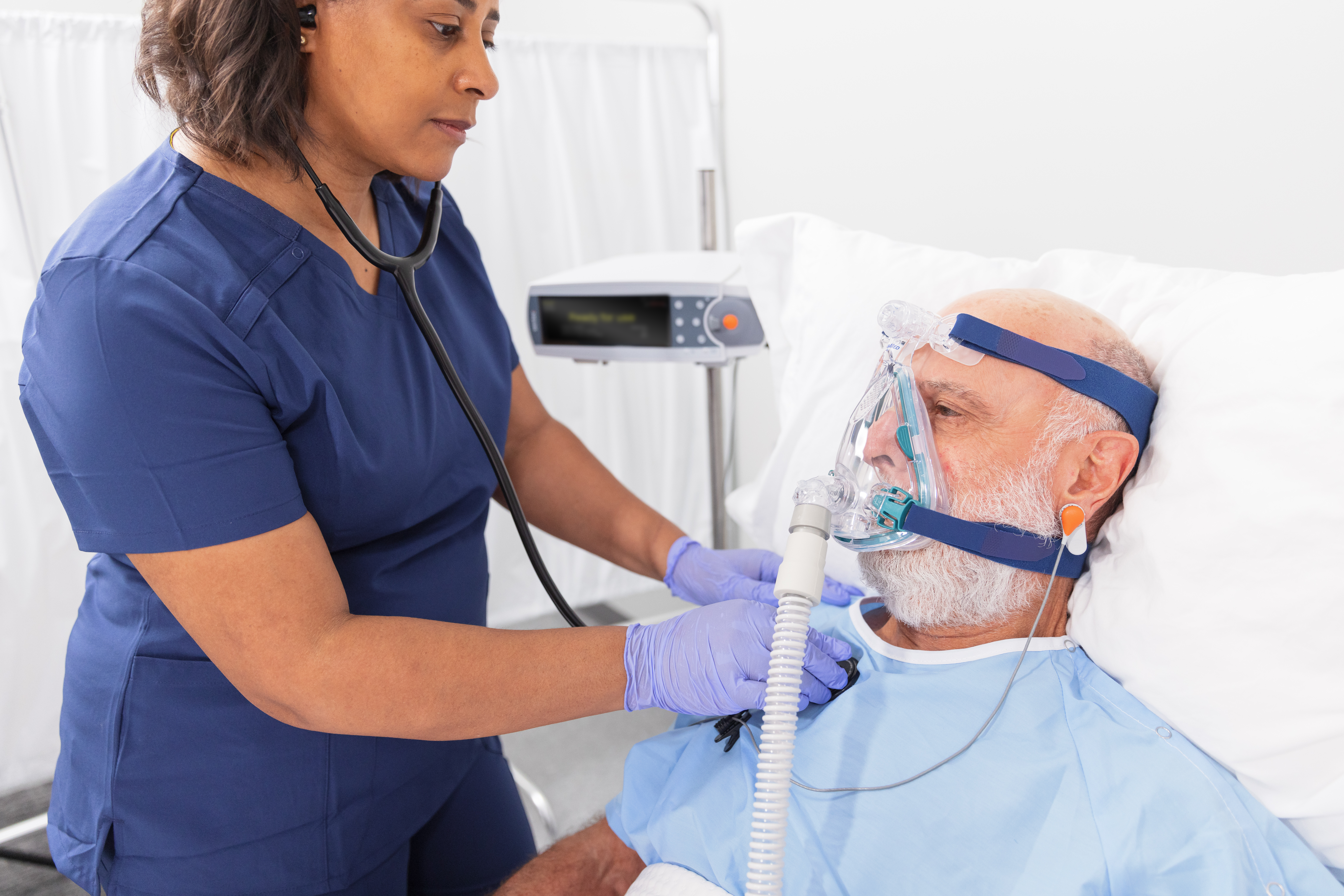
Attachment Solutions For Transcutaneous CO2 Monitoring
The Sentec suite of attachment options for transcutaneous CO2 monitoring allows care teams to confidently choose solutions that support the clinical priorities of each patient — across populations and care settings.

Sentec Article
5 Keys to Success in Adopting Transcutaneous Monitoring
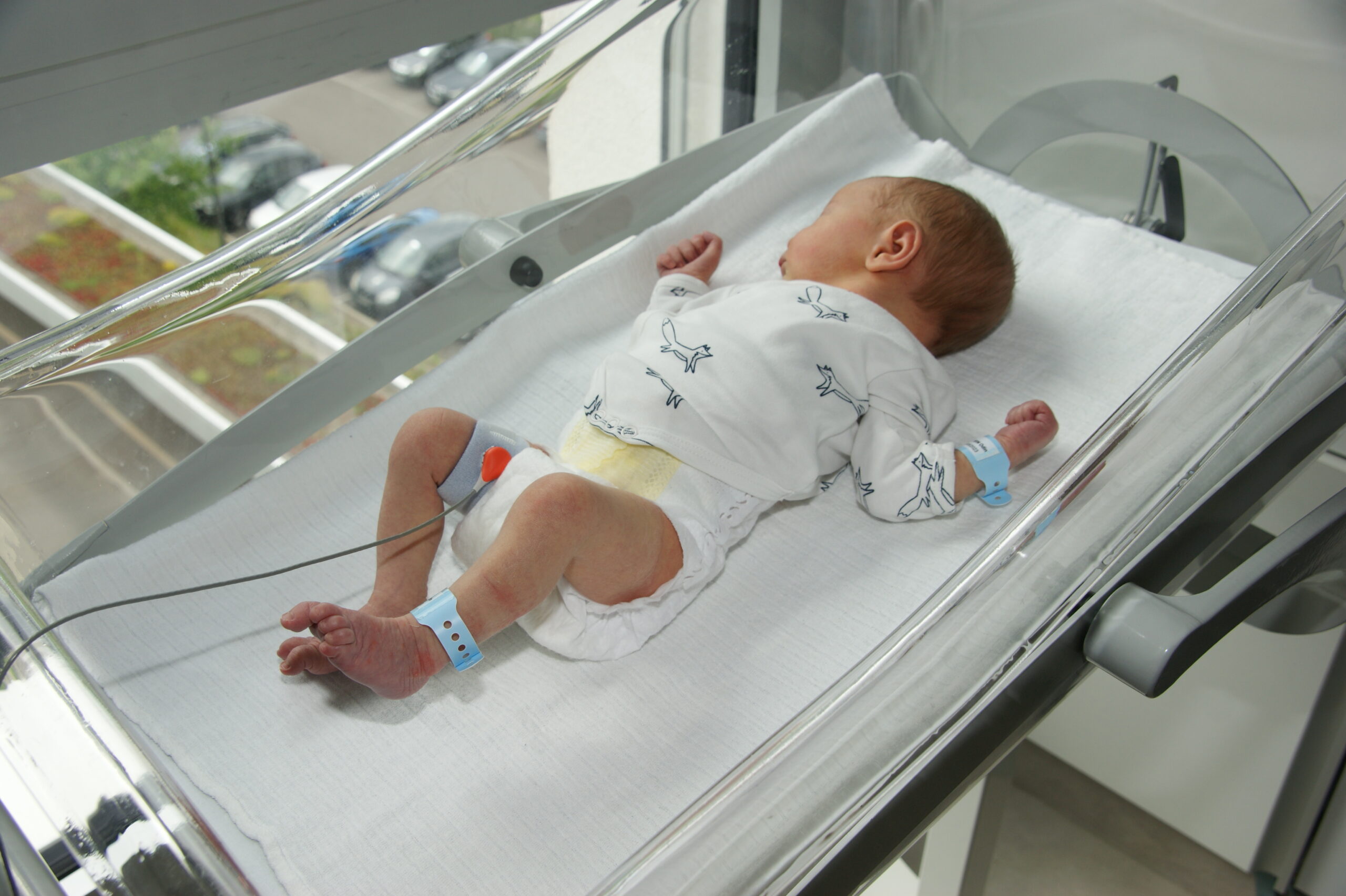
Learn more about how a level IV NICU team was recently successful in developing an all-encompassing strategy to drive consistent utilization of transcutaneous monitoring with the goal of improving patient care.

Sentec Article
How Often Should PCO2 Be Monitored in Chronic Hypercapnic Patients? Are Current Practices Enough?
Chronic hypercapnia, characterized by elevated levels of CO2, poses a significant challenge for individuals with conditions like chronic obstructive pulmonary disease (COPD), neuromuscular disorders (NMD), and obesity. Although the negative effects of chronic hypercapnia are widely acknowledged, researchers at the University of Michigan are shedding light on the true urgency of its management.
Sentec Article
What is Intrapulmonary Percussive Ventilation (IPV) Therapy?
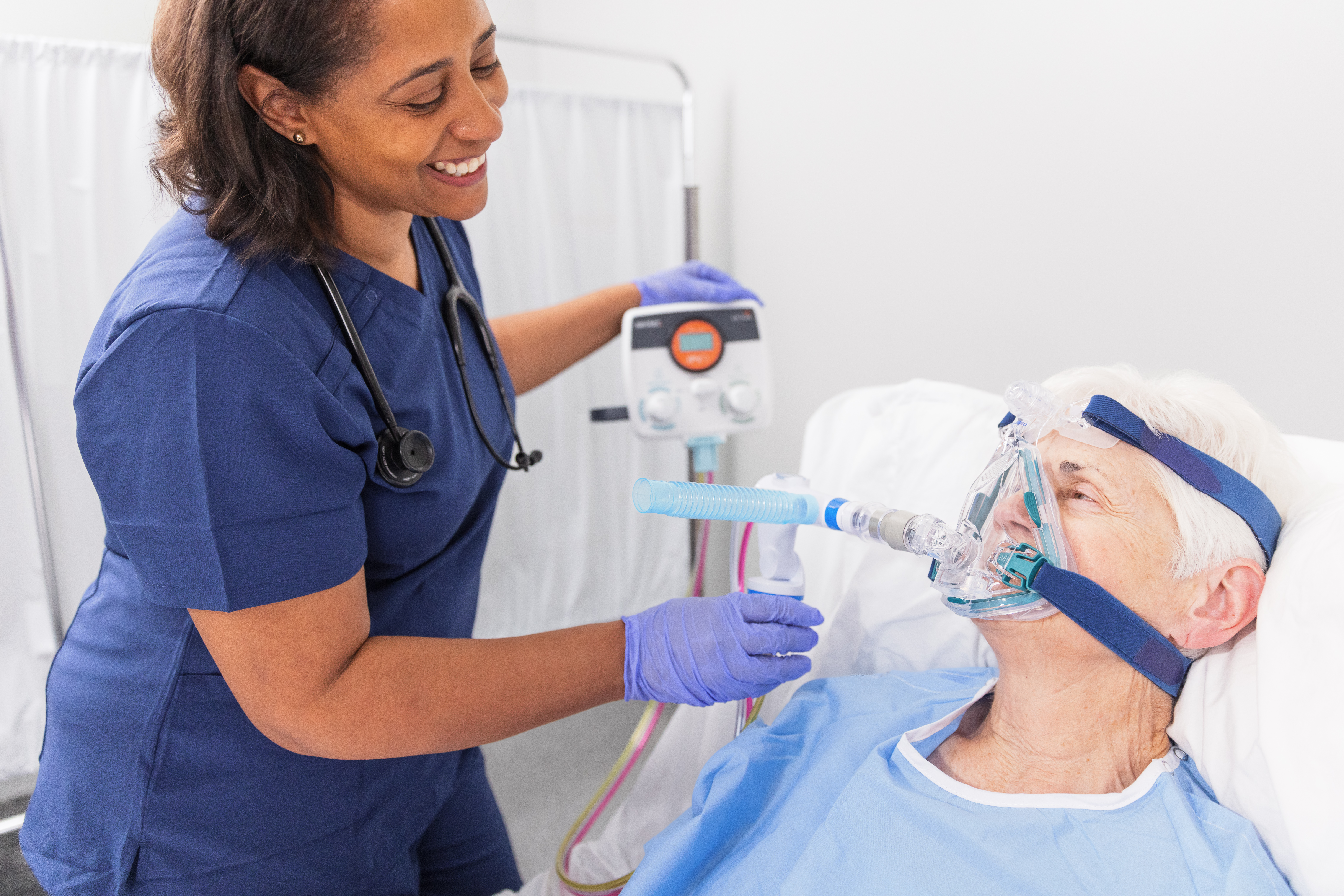
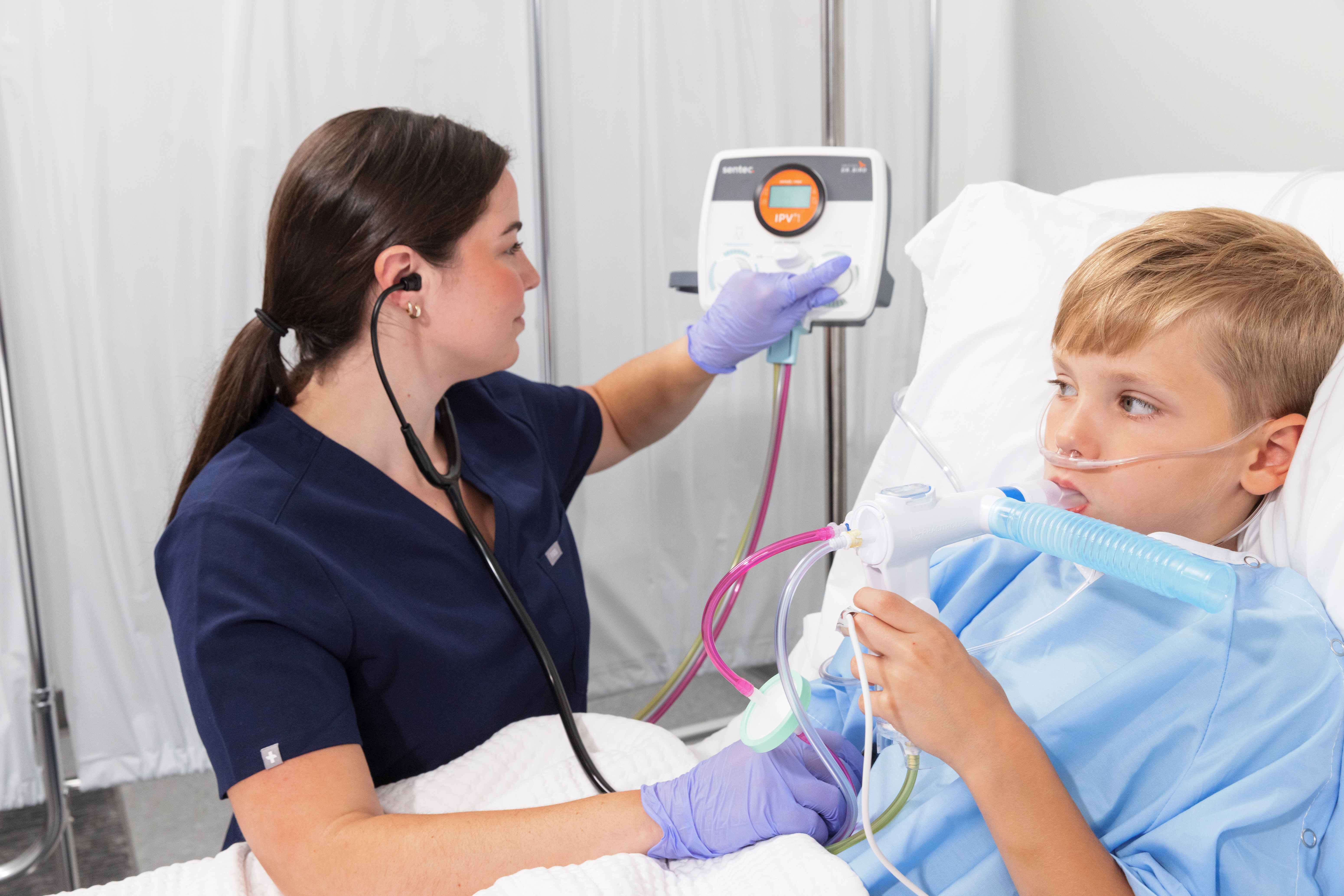
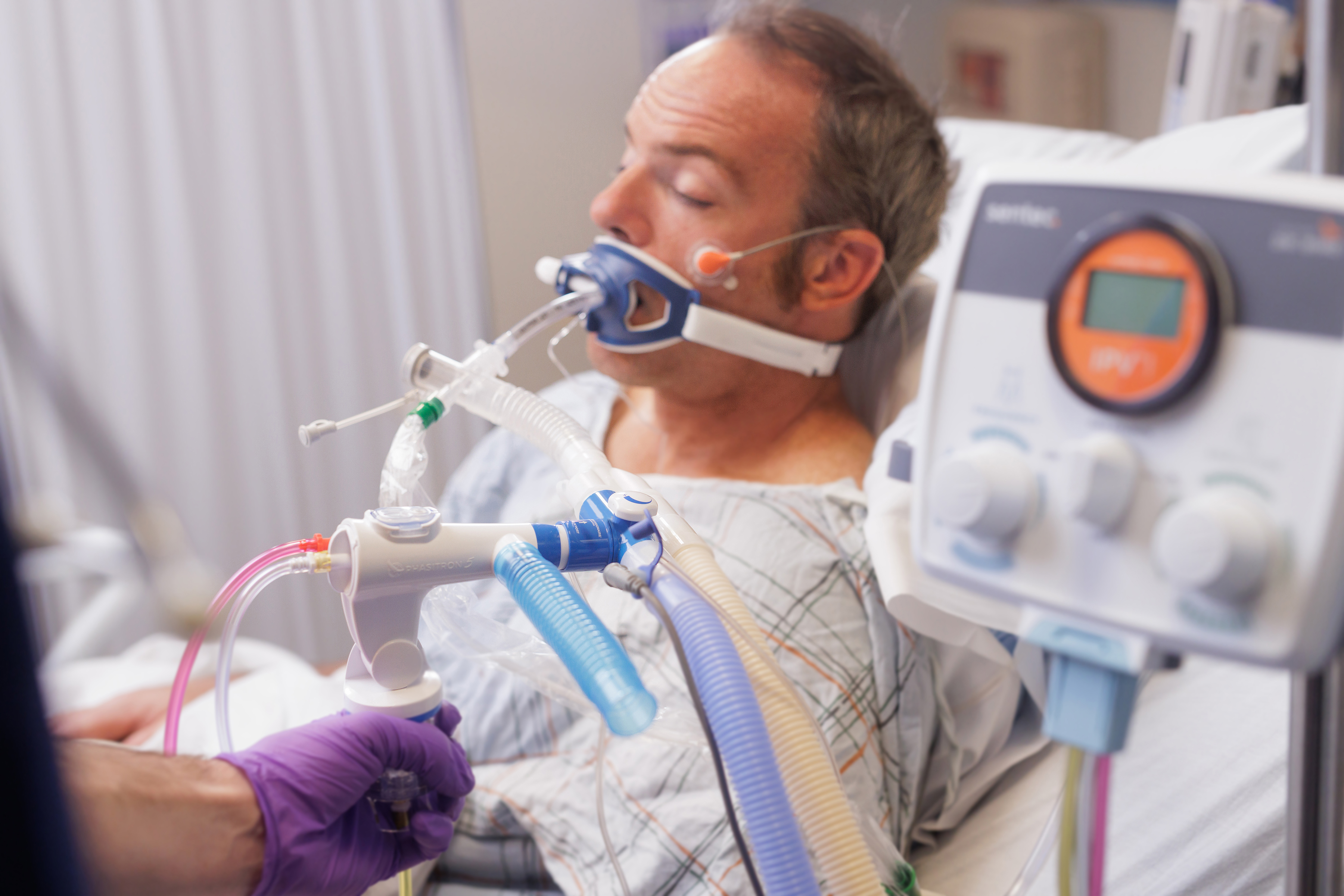
Intrapulmonary percussive ventilation (IPV) therapy is an airway clearance therapy that combines percussion, high-velocity flow, and entrainment to mobilize secretions and address gas exchange impairment. The therapy can be delivered through a mouthpiece or mask, directly to the airway, or in-line with a ventilator, making it versatile for a range of patient populations.

Product Spotlight
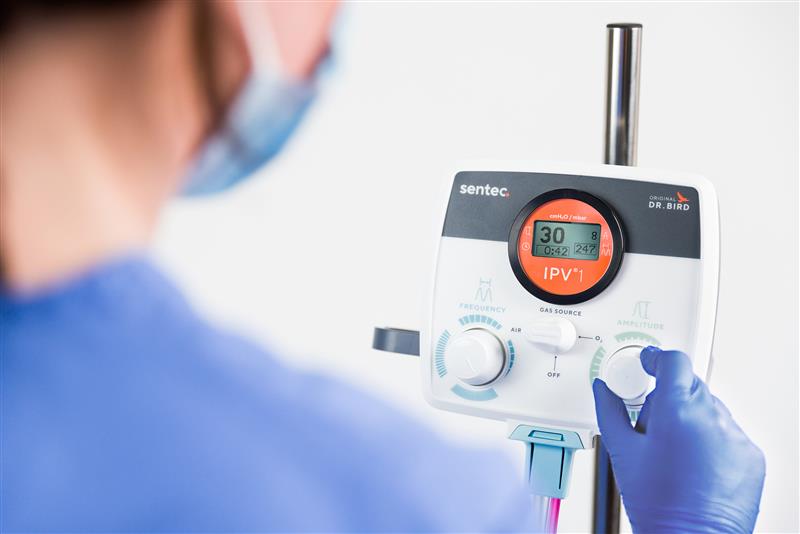
Meet the IPV 1
The IPV 1 is a safe and effective airway clearance device that builds on the Percussionaire legacy of IPV therapy with a Unified Connector that supports patient safety, a patient-friendly interface, and the unique efficacy of the Phasitron.