

MENU

Sentec Article
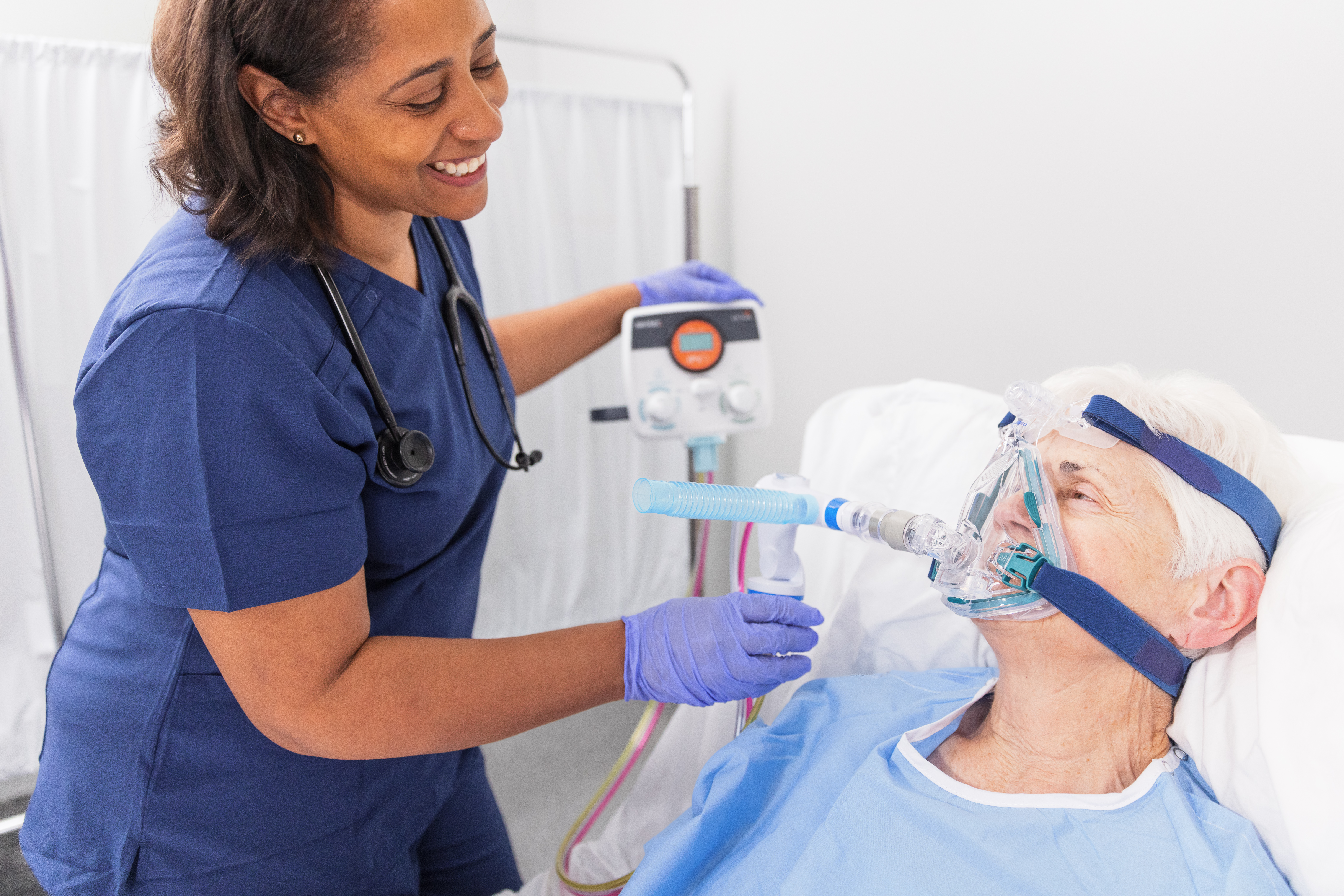
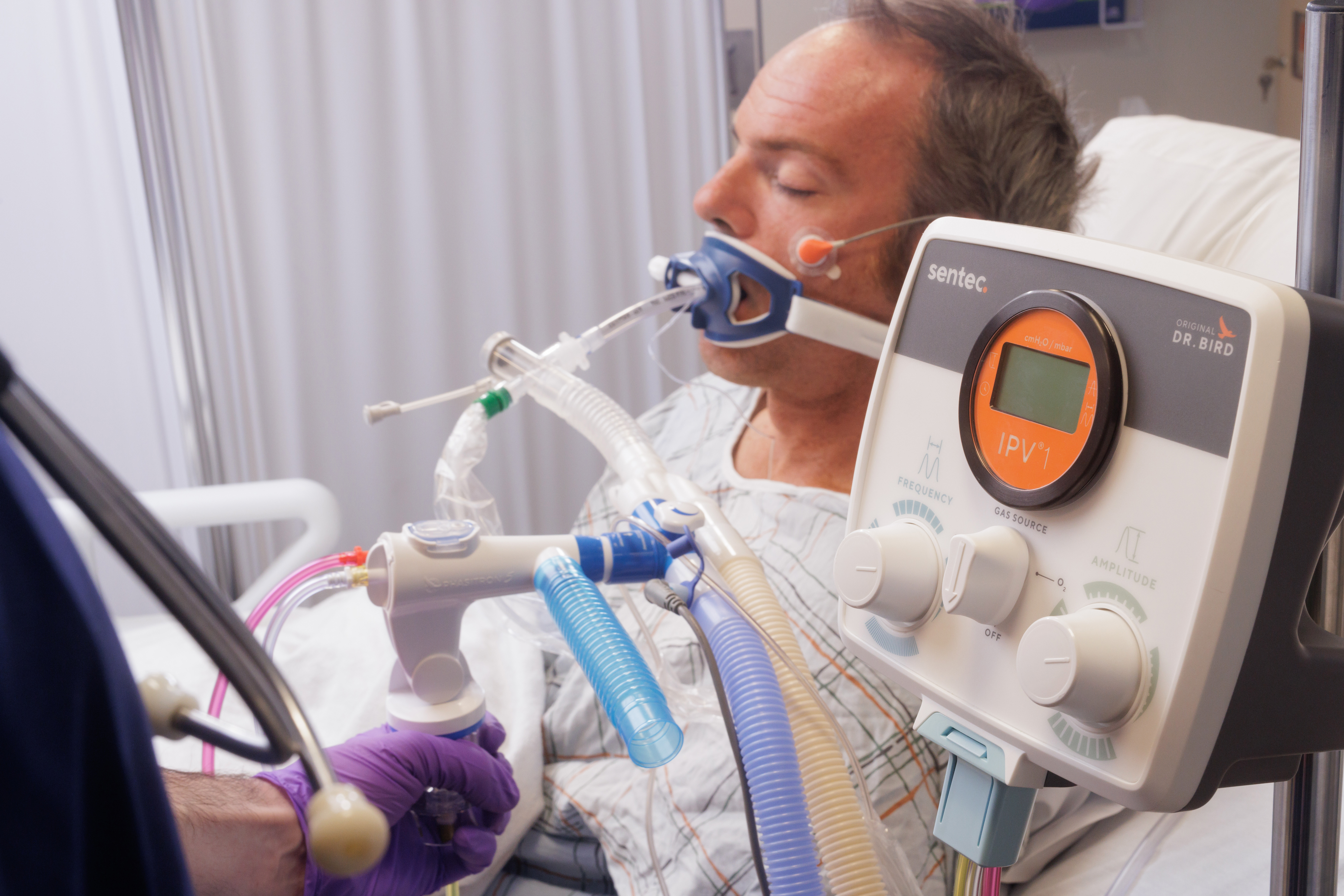
Improving Critical Care Outcomes with IPV Therapy
Secretion retention can significantly impact recovery in critically ill patients. Learn how IPV therapy supports airway clearance and explore evidence linking it to improved mucus clearance, reduced atelectasis, and shorter ICU stays.

Sentec Article
The Vicious Cycle of Secretions in Acute Care
In the intensive care unit (ICU), secretions are often seen as an unavoidable byproduct — simply par for the course for critically ill patients. However, evidence suggests they may play a [...]

Product Spotlight
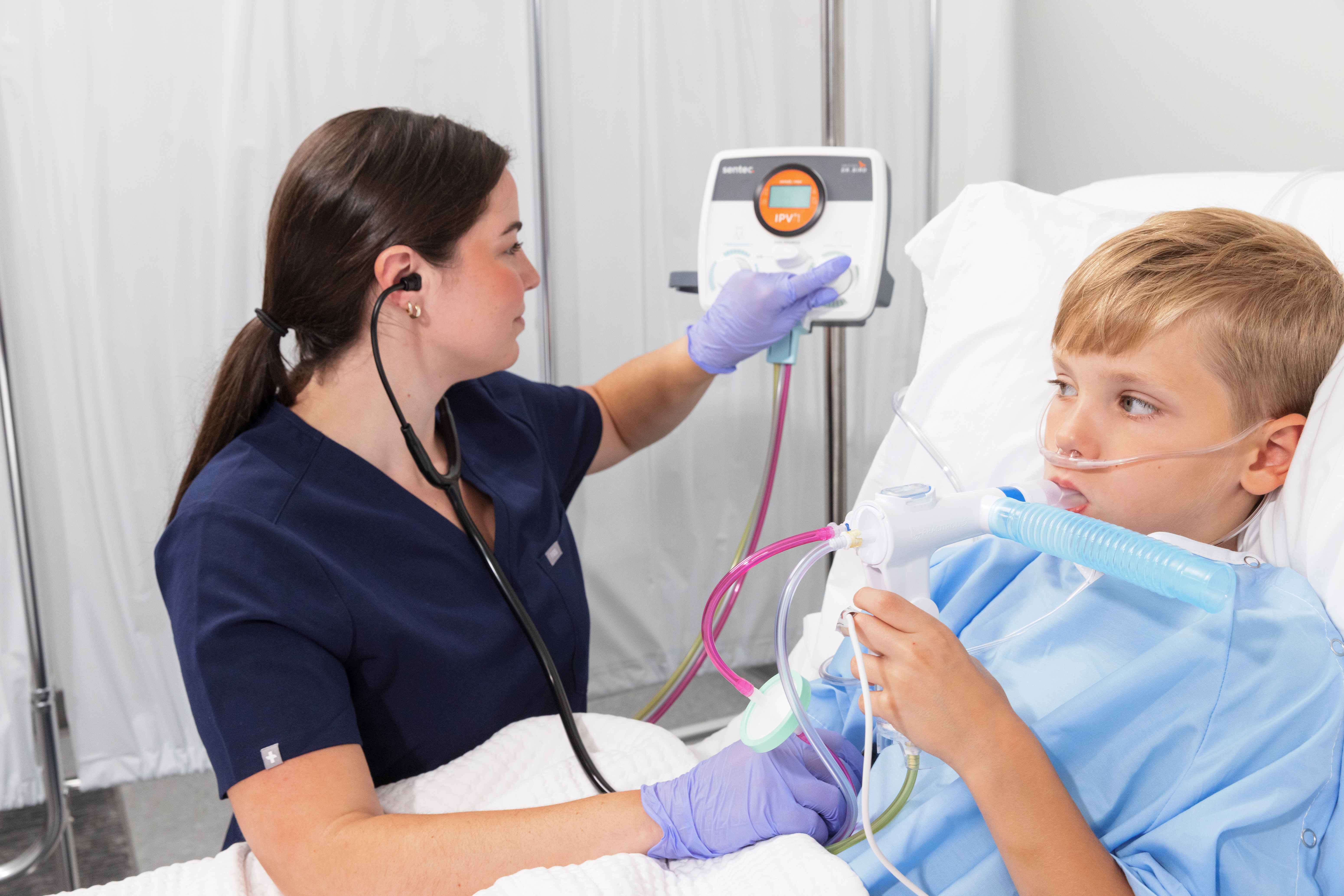
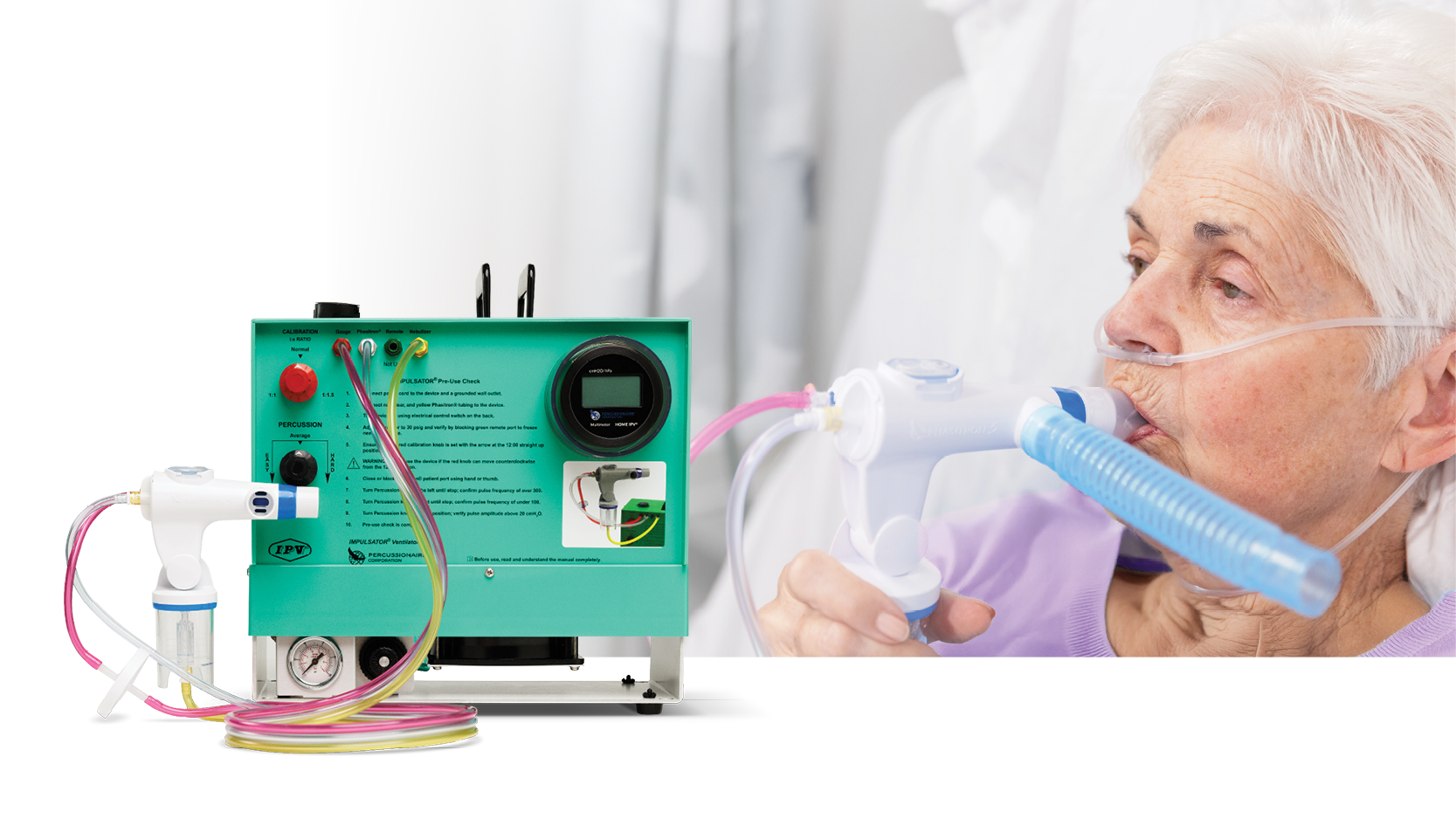
How Does Intrapulmonary Percussive Ventilation (IPV) Therapy Work?
Learn how IPV® Therapy works to mobilize secretions, recruit lungs, and improve airway clearance with percussive ventilation and the Phasitron®.

Sentec Article
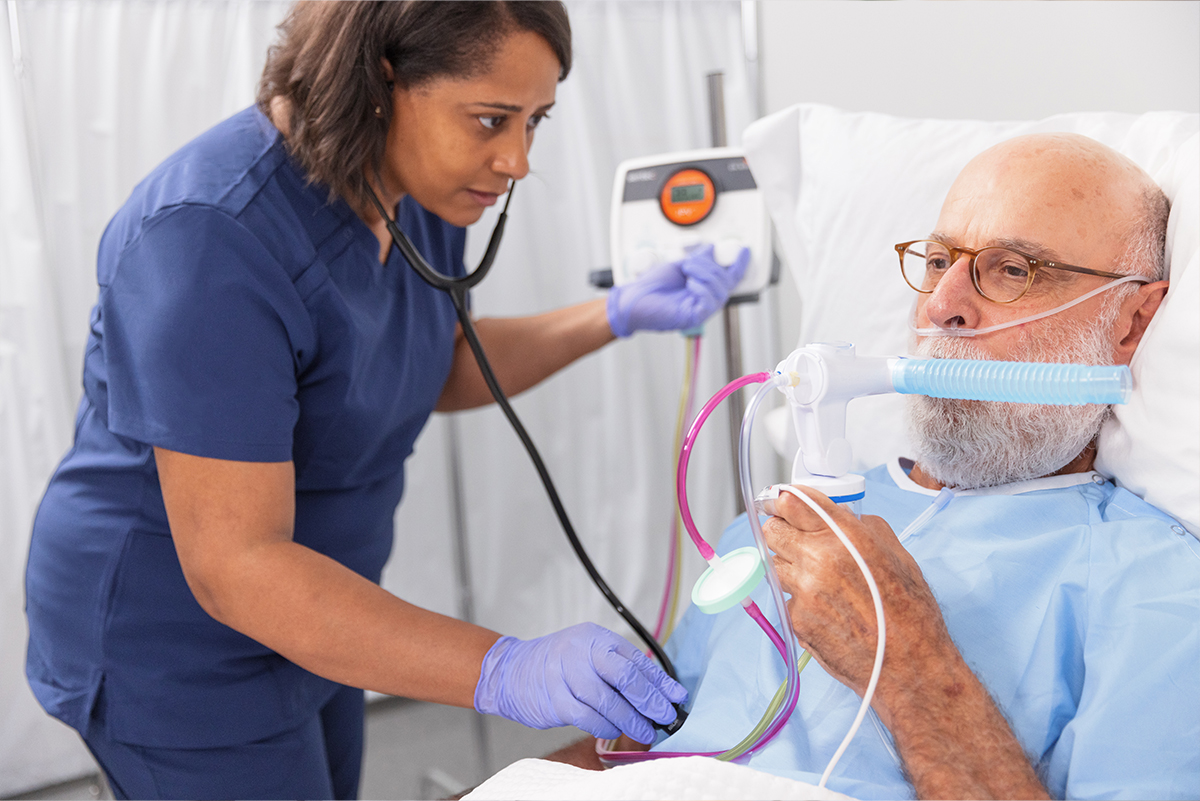
Improving COPD Outcomes with IPV Therapy
Learn how intrapulmonary percussive ventilation (IPV) therapy helps clear airway secretions, improve breathing, and support better outcomes for patients with COPD.

Sentec Article
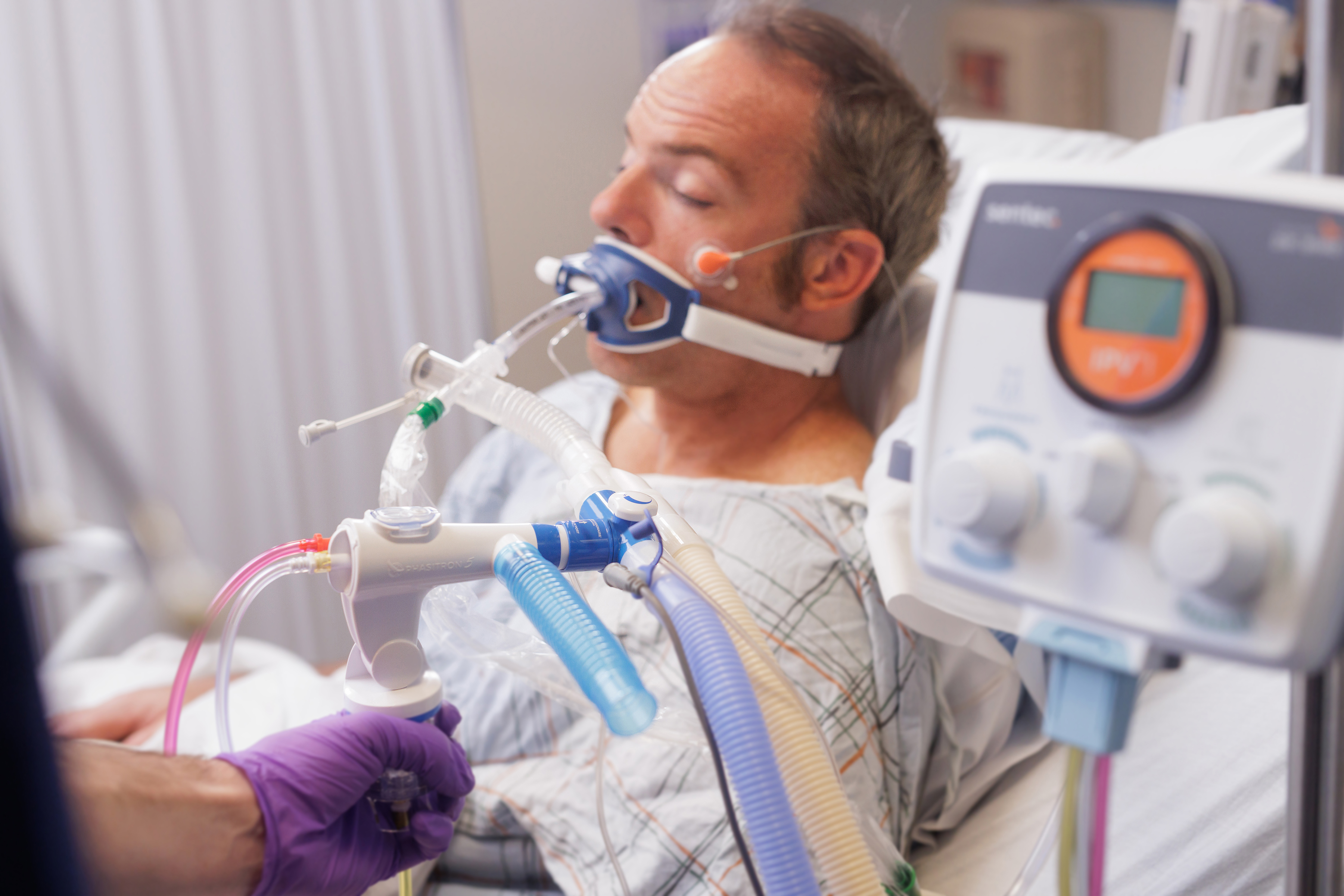
Airway Clearance Techniques in the Intensive Care Unit
Explore evidence‑based airway clearance techniques in the ICU, including suctioning, CPT, IPV therapy, and more to support secretion management and ventilator weaning.

Why IPV Therapy is Becoming Essential in Home Respiratory Care
Learn how IPV Therapy supports airway clearance, secretion mobilization, and lung recruitment in home respiratory care. Register for this CE webinar.

Sentec Article
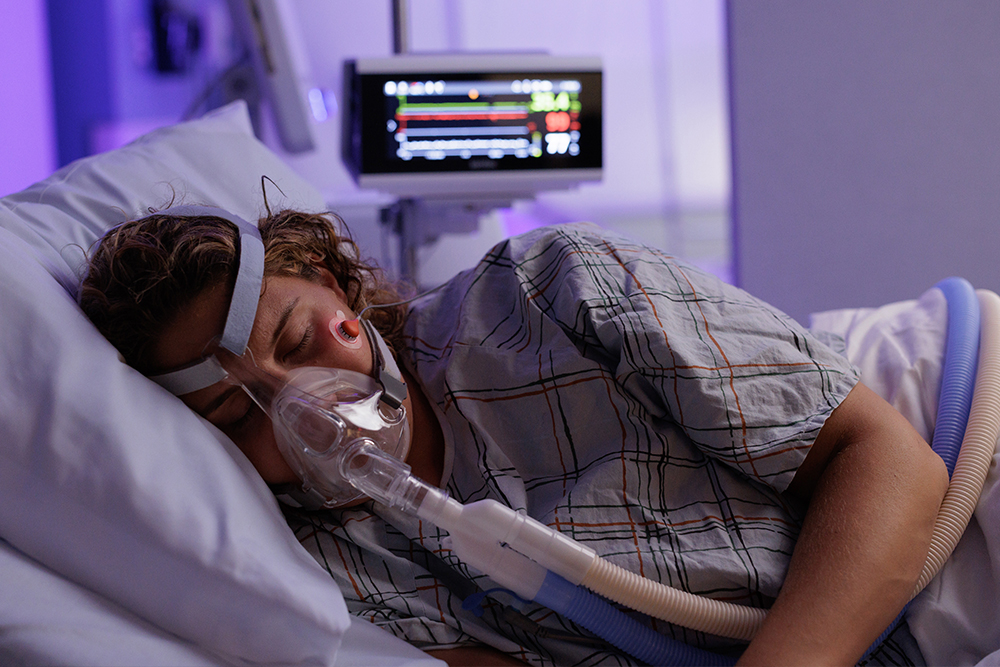
Carbon Dioxide (CO2) Monitoring in the Sleep Lab
Explore the importance of CO₂ monitoring in the sleep lab, including methods like transcutaneous and end-tidal monitoring, to better detect ventilation issues and improve outcomes in patients with sleep-disordered breathing.

Product Spotlight
Accurate Transcutaneous CO2 Monitoring for Agile Respiratory Care Teams
Explore how transcutaneous CO₂ monitoring delivers noninvasive, real-time insights to support better outcomes for both clinicians and patients.

Patient Story
Ella’s Story with IPV Therapy
Ella lives with nemaline myopathy, a rare genetic disorder affecting approximately 1 in 50,000 births. This condition weakens the skeletal muscles responsible for movement, making everyday tasks like walking, speaking, swallowing, and even breathing uniquely challenging.

Evidence Summary
Restoring Gas Exchange Capacity with Intrapulmonary Percussive Ventilation (IPV) Therapy
The IPV Therapy Clinical Evidence Brochure offers an overview of key clinical studies that highlight the efficacy and safety of intrapulmonary percussive ventilation (IPV) therapy across diverse patient populations.