

MENU

Sentec Article
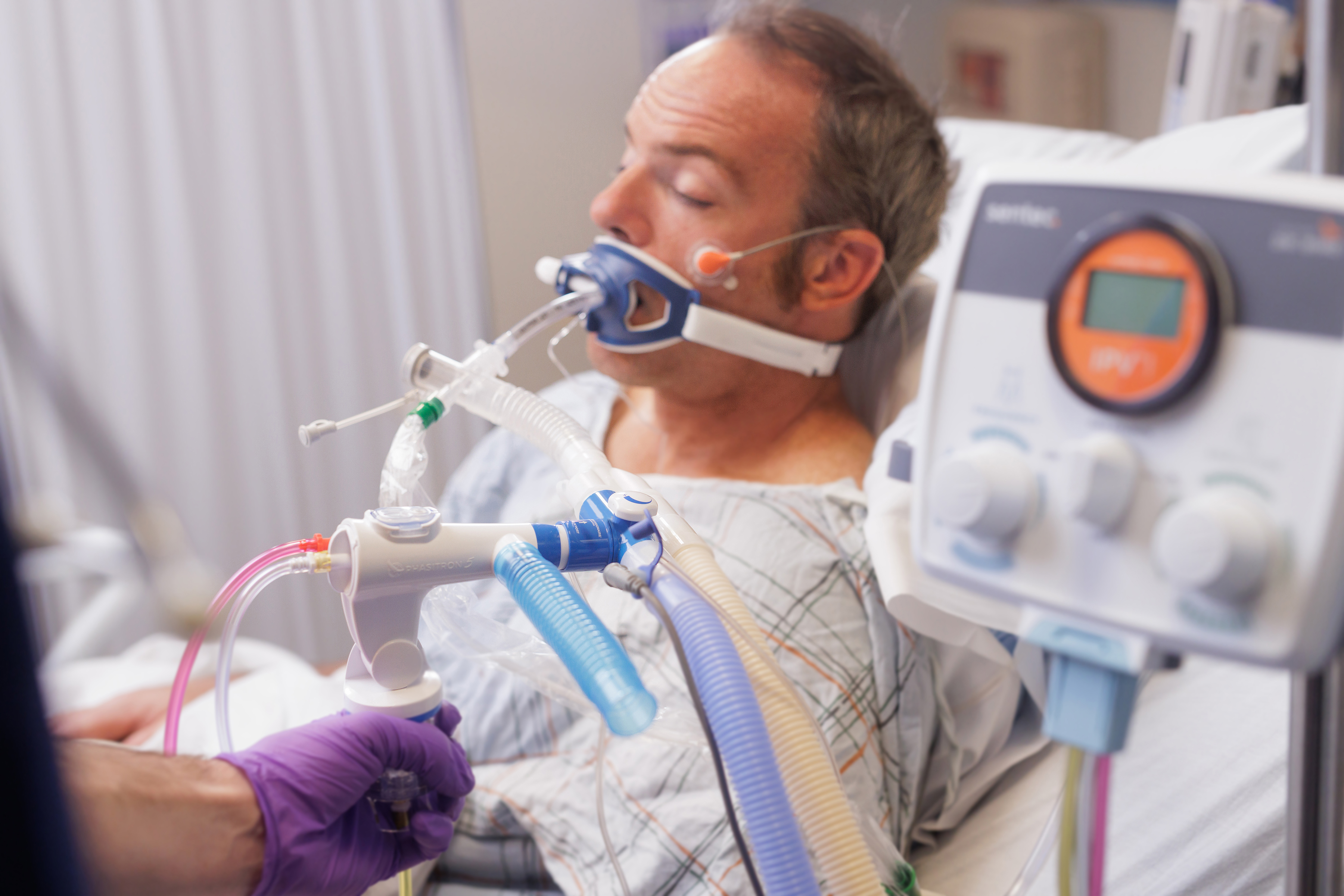
Improving Critical Care Outcomes with IPV Therapy
Secretion retention can significantly impact recovery in critically ill patients. Learn how IPV therapy supports airway clearance and explore evidence linking it to improved mucus clearance, reduced atelectasis, and shorter ICU stays.

Sentec Article
The Vicious Cycle of Secretions in Acute Care
In the intensive care unit (ICU), secretions are often seen as an unavoidable byproduct — simply par for the course for critically ill patients. However, evidence suggests they may play a [...]

Product Spotlight
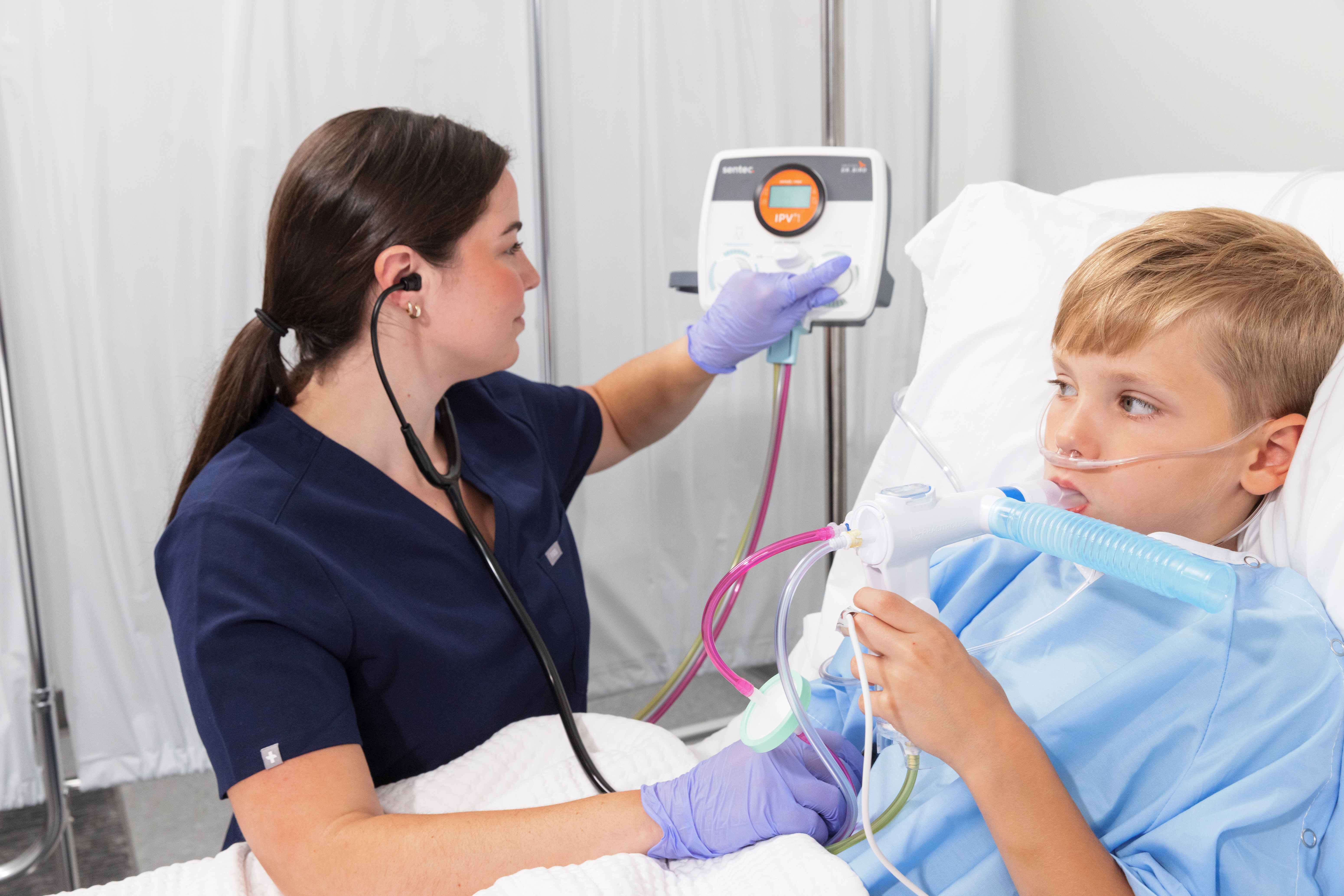
How Does Intrapulmonary Percussive Ventilation (IPV) Therapy Work?
Learn how IPV® Therapy works to mobilize secretions, recruit lungs, and improve airway clearance with percussive ventilation and the Phasitron®.

Sentec Article
Improving COPD Outcomes with IPV Therapy
Learn how intrapulmonary percussive ventilation (IPV) therapy helps clear airway secretions, improve breathing, and support better outcomes for patients with COPD.

Sentec Article
Airway Clearance Techniques in the Intensive Care Unit
Explore evidence‑based airway clearance techniques in the ICU, including suctioning, CPT, IPV therapy, and more to support secretion management and ventilator weaning.

Sentec Article
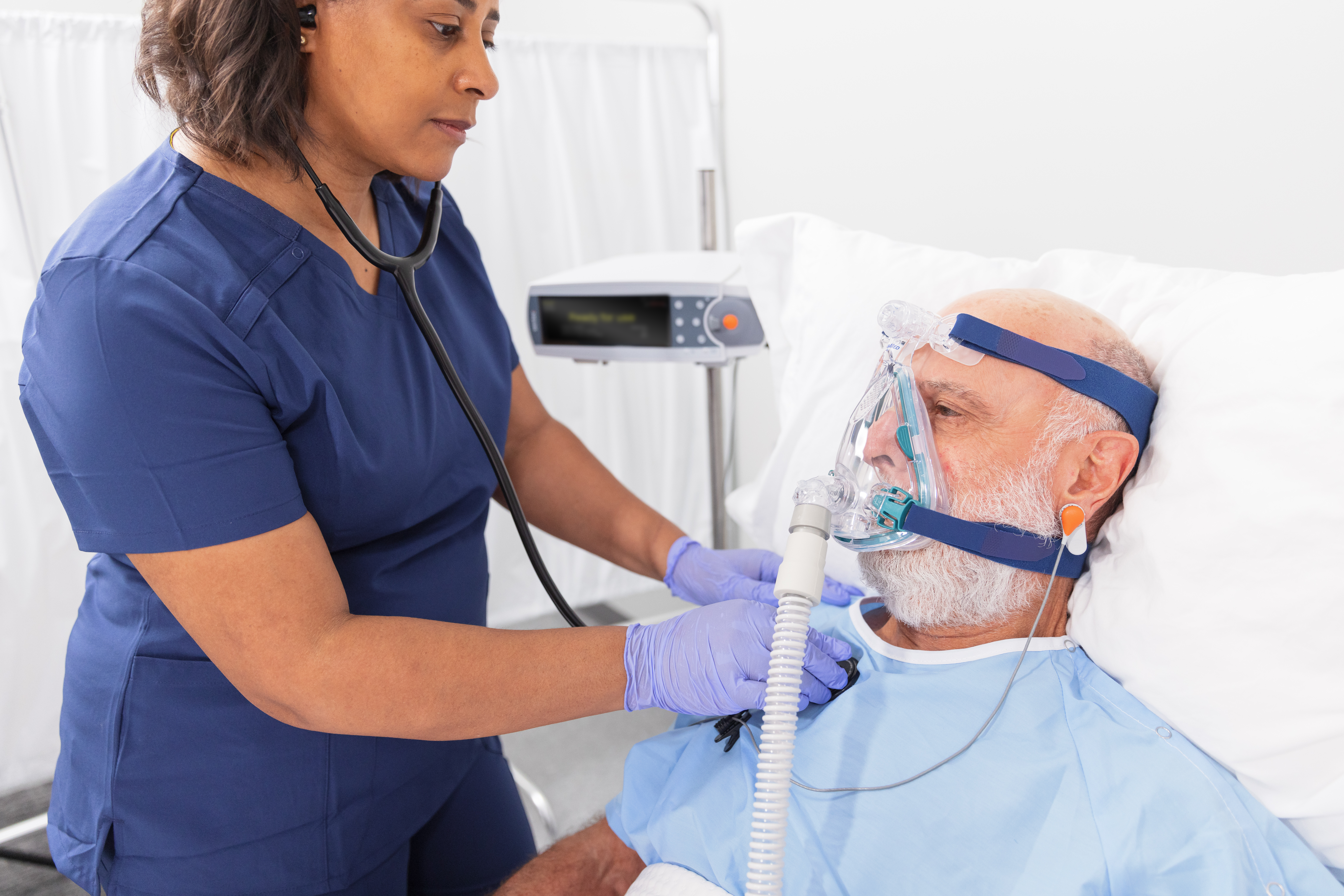
Carbon Dioxide (CO2) Monitoring in the Sleep Lab
Explore the importance of CO₂ monitoring in the sleep lab, including methods like transcutaneous and end-tidal monitoring, to better detect ventilation issues and improve outcomes in patients with sleep-disordered breathing.
Product Spotlight
Attachment Solutions For Transcutaneous CO2 Monitoring
The Sentec suite of attachment options for transcutaneous CO2 monitoring allows care teams to confidently choose solutions that support the clinical priorities of each patient — across populations and care settings.

Sentec Article
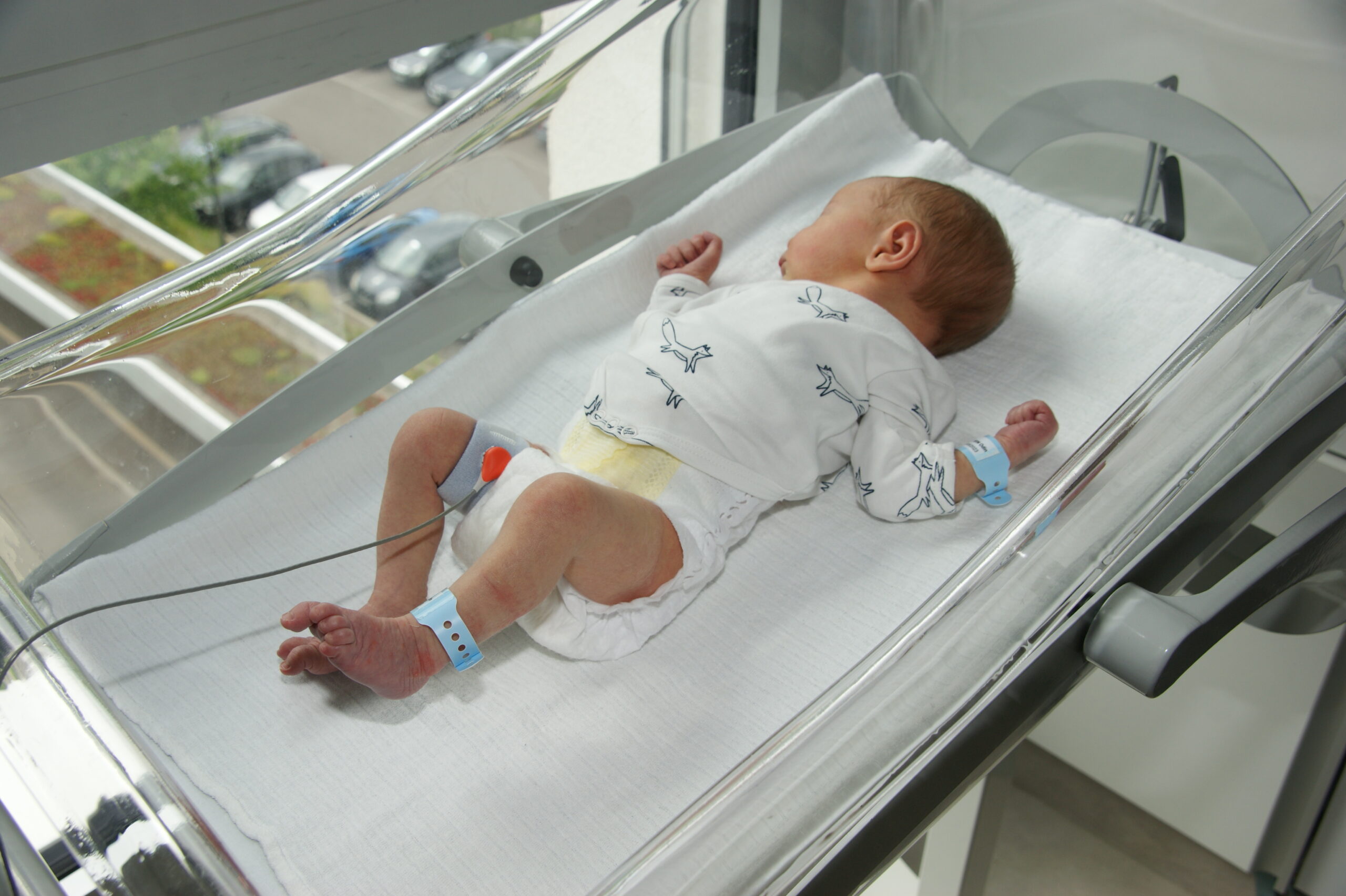
5 Keys to Success in Adopting Transcutaneous Monitoring
Learn more about how a level IV NICU team was recently successful in developing an all-encompassing strategy to drive consistent utilization of transcutaneous monitoring with the goal of improving patient care.

Sentec Article
Is It Time to Reconsider Transcutaneous CO2 Monitoring for Your Unit?
In NICUs, PICUs, and sleep labs around the world, transcutaneous monitoring has increasingly become a trusted tool for continuous, noninvasive CO2 measurement. The technology can help reduce the need for frequent blood draws, enable proactive ventilator management, and offer additional benefits as care teams support diverse patient populations.

Guest Article
Transcutaneous CO2 Monitoring in Pediatric Sleep Studies: Case Studies from Nemours Children’s Hospital
In the Pediatric Sleep Center at Nemours Children’s Hospital, transcutaneous CO2 monitoring is a valuable tool that we use for both routine and complex cases.