

MENU

Whitepaper
The Downsides & Limitations of Neonatal Blood Sampling
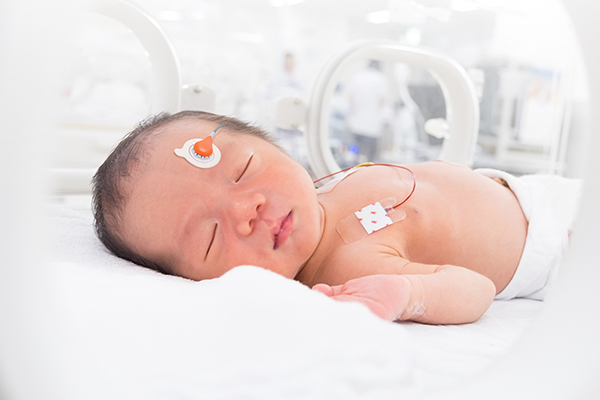
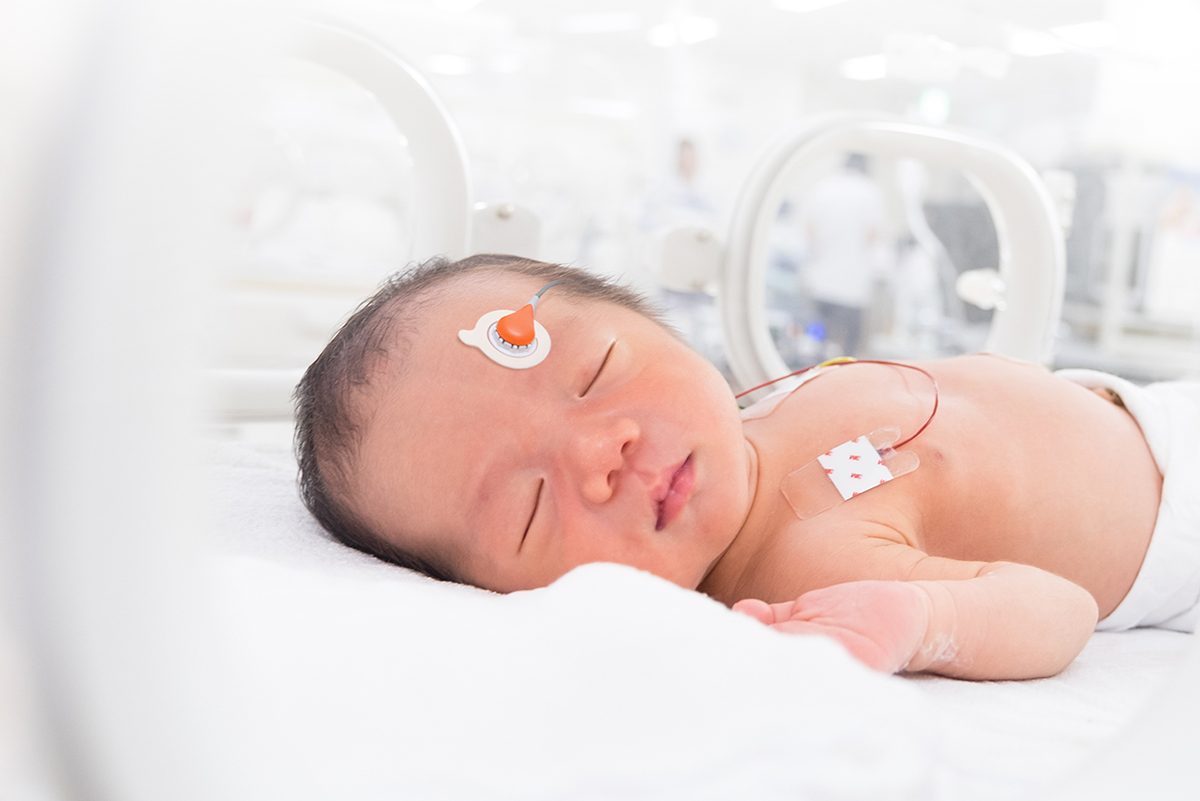
Discover the hidden costs of neonatal blood sampling, including blood loss, pain, infection risk, and delayed detection of critical changes in the NICU.

Sentec Article
Carbon Dioxide Monitoring in Neonatal Patients
Learn why continuous carbon dioxide (CO₂) monitoring is critical in neonatal care. Discover how transcutaneous CO₂ monitoring helps clinicians detect fluctuations, support brain and lung protection, and reduce the need for invasive blood draws in NICU patients.

Sentec Article
The Vicious Cycle of Secretions in Acute Care
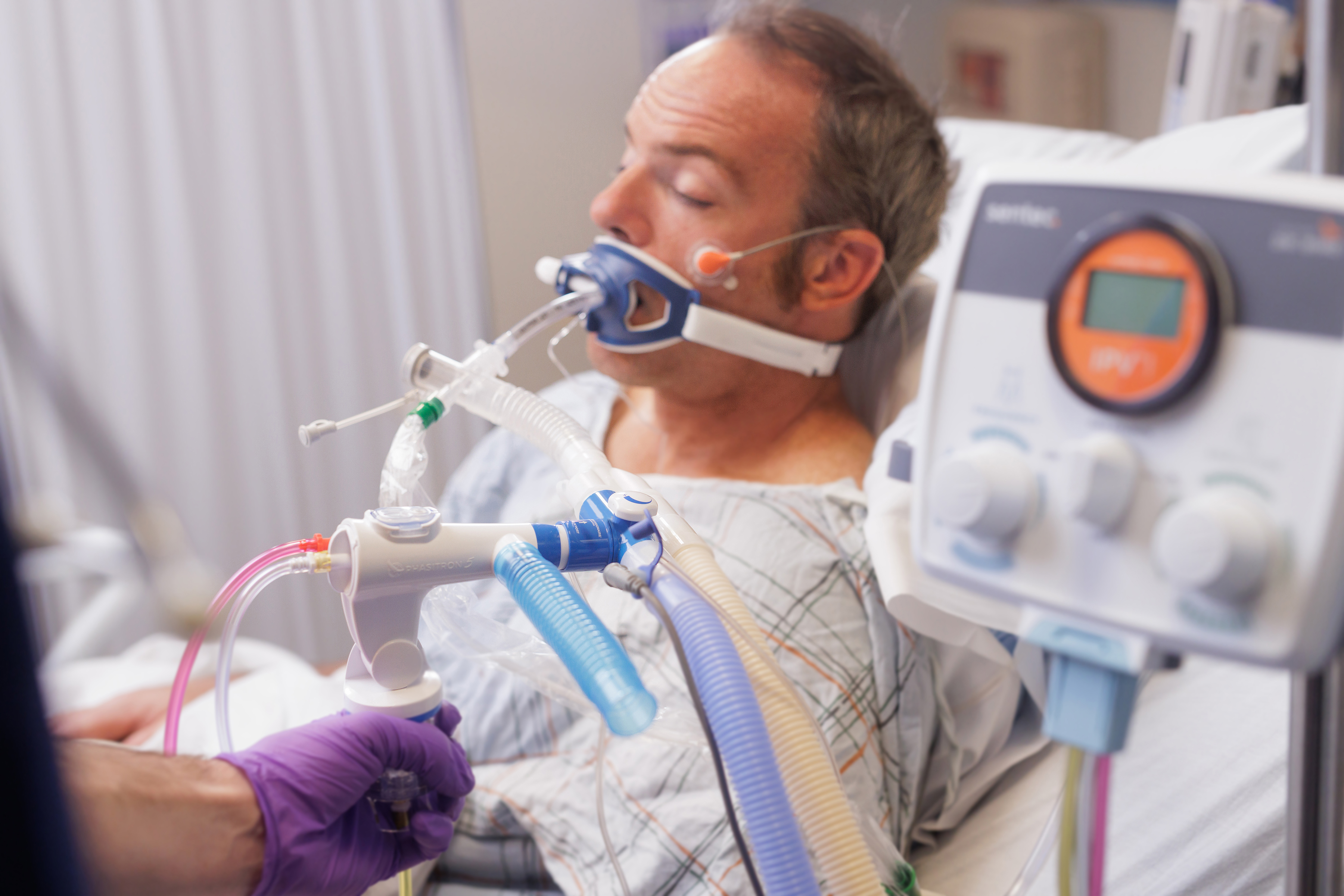
In the intensive care unit (ICU), secretions are often seen as an unavoidable byproduct — simply par for the course for critically ill patients. However, evidence suggests they may play a [...]
Sentec Article
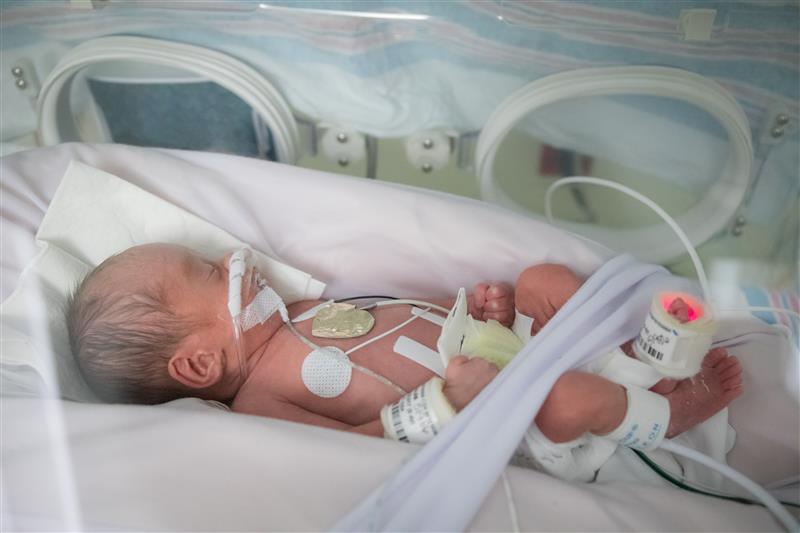
Protecting the Preterm Brain: The Role of CO2 in the First 72 Hours
Learn how continuous transcutaneous CO₂ monitoring supports neuroprotection in preterm infants by helping maintain stable CO₂ levels during the critical first 72 hours.
Product Spotlight
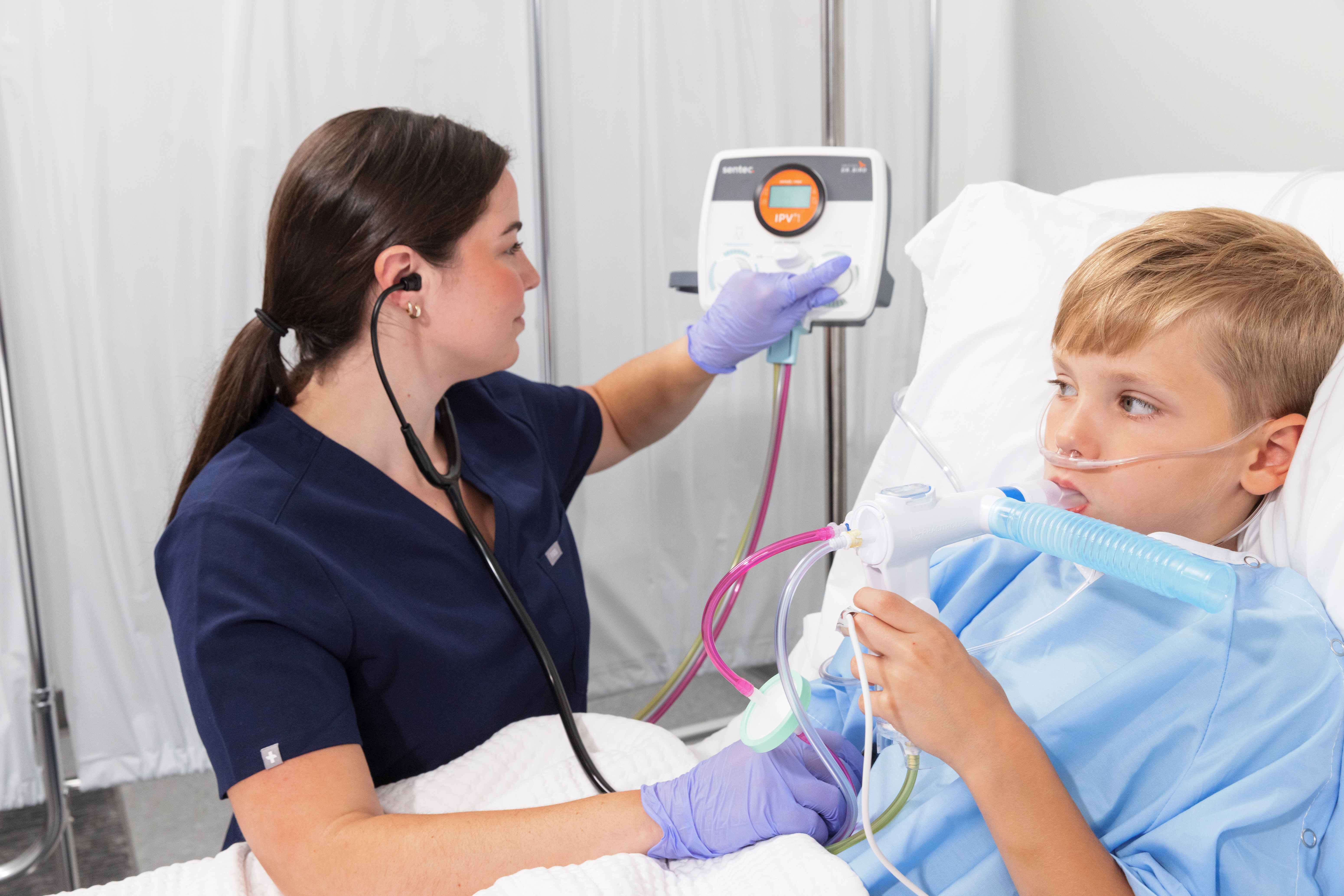
How Does Intrapulmonary Percussive Ventilation (IPV) Therapy Work?
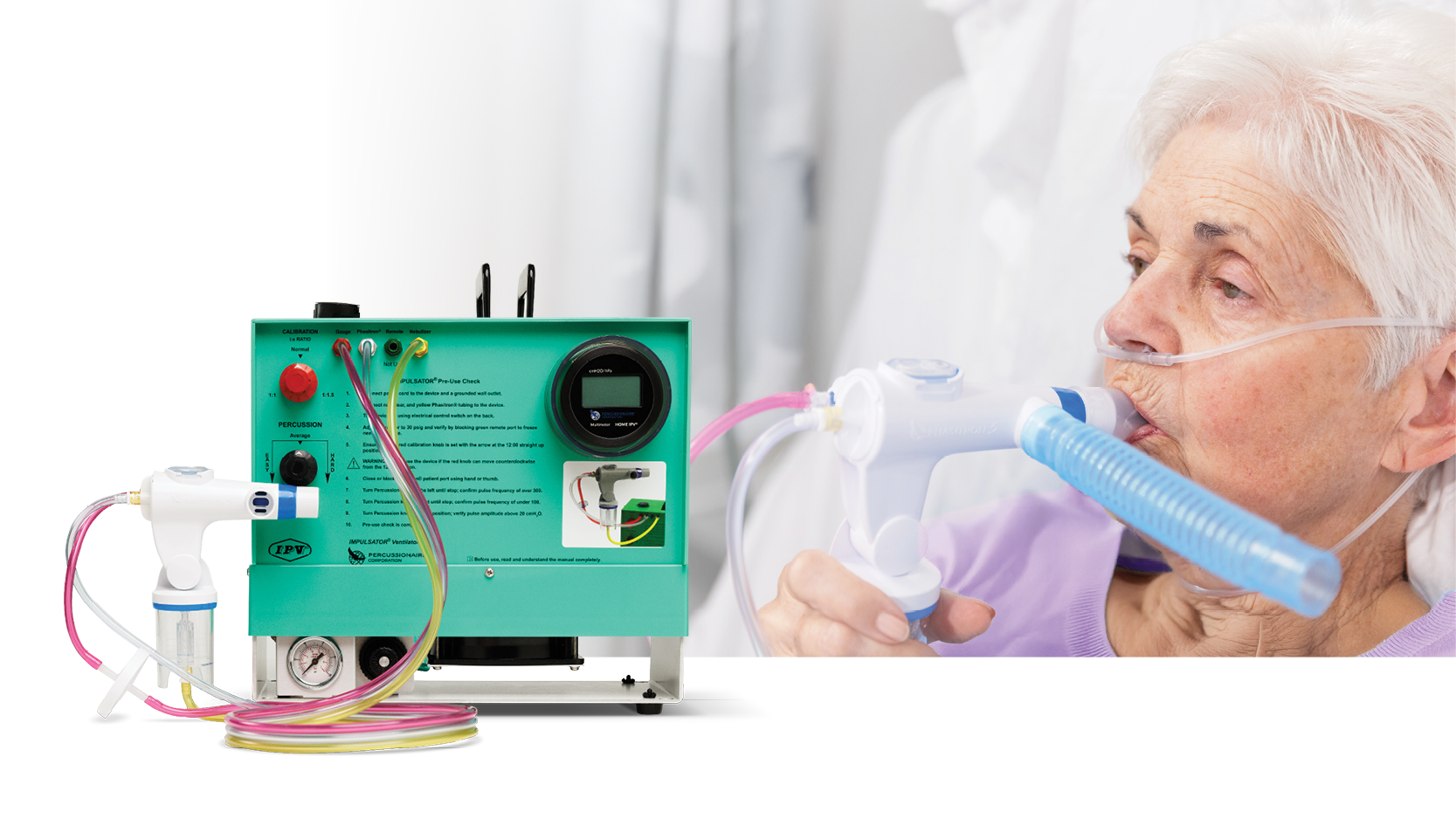
Learn how IPV® Therapy works to mobilize secretions, recruit lungs, and improve airway clearance with percussive ventilation and the Phasitron®.
Sentec Article
Improving COPD Outcomes with IPV Therapy
Learn how intrapulmonary percussive ventilation (IPV) therapy helps clear airway secretions, improve breathing, and support better outcomes for patients with COPD.

Sentec Article
Airway Clearance Techniques in the Intensive Care Unit
Explore evidence‑based airway clearance techniques in the ICU, including suctioning, CPT, IPV therapy, and more to support secretion management and ventilator weaning.

Why IPV Therapy is Becoming Essential in Home Respiratory Care
Learn how IPV Therapy supports airway clearance, secretion mobilization, and lung recruitment in home respiratory care. Register for this CE webinar.

Sentec Article
Methods of Monitoring Carbon Dioxide (CO2) in the NICU
Learn how CO2 is monitored in the NICU. Compare arterial blood gas, end-tidal CO2, and transcutaneous monitoring to support precise neonatal ventilation management.

Sentec Article
Carbon Dioxide (CO2) Monitoring in the Sleep Lab
Explore the importance of CO₂ monitoring in the sleep lab, including methods like transcutaneous and end-tidal monitoring, to better detect ventilation issues and improve outcomes in patients with sleep-disordered breathing.